Thursday, May 10, 2018

The Ultimate Guide to Ecommerce SEO

Ecommerce SEO doesnt have to be hard work. So in this tutorial I am going to teach you how to increase traffic to your ecommerce with my personal ecommerce SEO process. It doesn’t get any easier than this!

The Ultimate Guide to Ecommerce SEO was originally published on Matthew Woodward


from Matthew Woodward https://ift.tt/2KRymCa

Wednesday, May 9, 2018

From Niche Sites to Digital Marketing Agency: Naveen Kulkarni Success Story

Hey everyone, Spencer here, and I wanted to provide a quick introduction to a success story from one my readers.  A couple of years ago I used to publish more frequent stories of readers having success building their own niche…

The post From Niche Sites to Digital Marketing Agency: Naveen Kulkarni Success Story appeared first on Niche Pursuits.


from Niche Pursuits https://ift.tt/2Is5fa4

Leverage the Basic Concepts of Sponsored Content to Boost Your Reach

Today, your marketing strategy has become more important than ever before.

That’s because the Internet makes it easy for consumers to conduct research and discover new brands. With information and other resources so readily available, each business in every industry has competition to worry about.

You may have some successful content marketing tactics. That’s great, and you should continue using them.

That said, content marketing alone won’t be enough to reach the widest possible audience. If you want to create more brand exposure and gain an edge over your competition, you’ll need to do more.

Sponsored content may be the solution to give your company the advantage you’ve been looking for.

If you’re not sure what sponsored content is or how to use it, that’s okay. It’s not too late to get started.

I’ll explain how sponsored content works and how you can apply it to your branding strategy. Here’s what you need to know.

Understand the difference between native advertising and content marketing

The majority of your current promotions likely fall into the content marketing category.

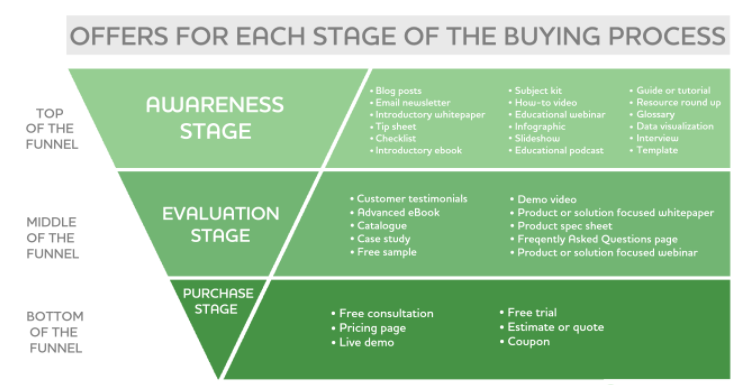
Typically, content marketing is focused on the big picture and long-term goals. Marketers put emphasis on lead nurturing, resulting eventually in sales conversions. The conversion funnel is a great representation of how to tackle content marketing at each stage:image1 6

This is a continuous process. Take a look at some of the examples listed above you can apply to each stage of the funnel.

It involves things such as newsletters, guides, demonstrations, blogs, coupons, and videos. The list goes on and on. Sure, these promos raise brand awareness, but they also help drive the customer through the funnel.

Native ads are intended to increase brand exposure as well, but they differ a bit from your typical content campaigns.

We’ve all seen native advertisements before. Even if you haven’t realized it, you’ve definitely been exposed to them while browsing online.

Native ads are promotions mixed into headlines on a page. They are somewhat camouflaged to appear as though they are just another article.

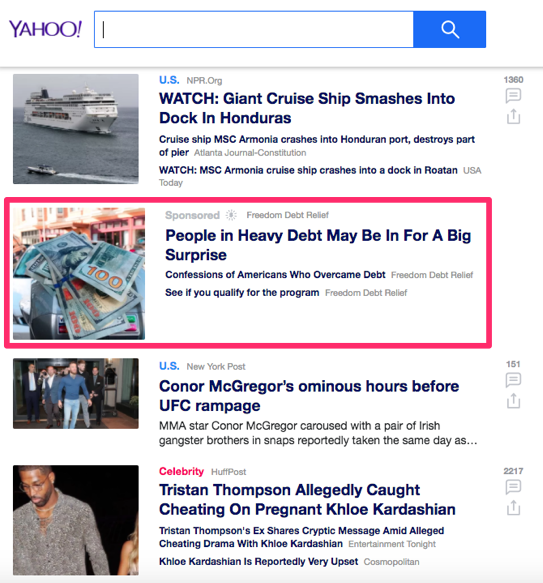
Check out this example from the Yahoo homepage to see what I’m talking about:

image5 6

I’ve highlighted the native advertising to make it obvious. If I didn’t, you might have missed it the first time you glanced at the list.

That’s because it follows the same format as all the other articles on the page. The title and subtitles are the same sizes. The colors and fonts replicate the content that’s not sponsored. The thumbnail picture is the same as well.

If it weren’t for the word “sponsored” written above the headline, you’d never know it was a paid advertisement.

With native ads, you pay for your space on the screen. Think of it as a virtual billboard.

These advertisements are intended to pique the interest of potential customers. Your native ads typically won’t be circulated through your distribution channels, which is different from your content strategy.

These two marketing strategies will work together hand in hand. A customer may initially discover your brand through a native ad, but your content strategy will drive sales.

Don’t be deceiving

You need to make sure your sponsored content doesn’t fool your audience. It needs to be clearly labeled as a paid advertisement.

In fact, Federal Trade Commission (FTC) has laws in place that force businesses to disclose their relationship with brands that pay for advertisements.

In addition to being in violation of FTC regulations, you will be misleading your customers, which is a bad idea. You don’t want to get a reputation for being unethical.

This goes for the company displaying the ad as well as the brand being promoted.

Here’s an example.

Let’s say your company sells athletic sneakers. Plenty of websites rate sneakers.

You pay one of them to write a favorable review for one of your products. If that review isn’t clearly labeled as sponsored content, it’s in violation of the FTC endorsement guides.

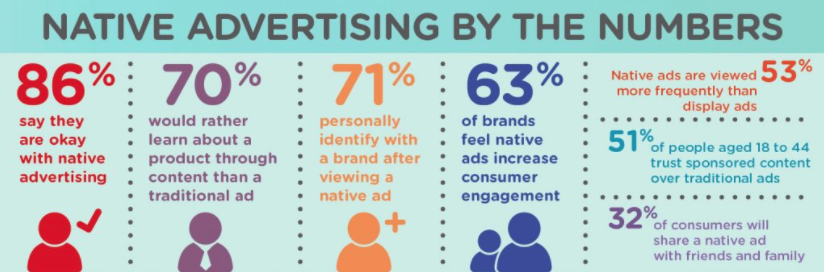
There is no reason to be deceptive. That’s because the majority of consumers don’t have a problem with native advertisements.

image6 6

Just because you’re buying an ad space on another website doesn’t mean you’re in control of their content.

Just make sure you stress the point that you want them to comply with the FTC rules. Even though it’s not your website, it’s your responsibility to make sure your ad is appropriately labeled.

Research your target market

To run a successful sponsored content campaign, you need to identify your target market. Figure out as much information as possible about this group of people and their consumption habits.

You’ll need to know things such as:

  • what type of ads they are looking for
  • the platforms they use the most
  • which websites they visit
  • what blogs they read
  • their primary email service

This can help you properly display your sponsored ads.

For example, recall our first example of the Yahoo homepage. If you discovered the majority of your target market uses Yahoo Mail, it would be reasonable for you to consider displaying a sponsored ad on that website.

Sponsored content isn’t limited to just websites.

Today, sponsored content has flooded social media. If you determine your target audience has certain social media preferences, you can use that knowledge to your advantage.

We know 70% of hashtags on Instagram are branded. But just because a hashtag is branded doesn’t mean it’s sponsored content. Here’s an example to show you the difference.

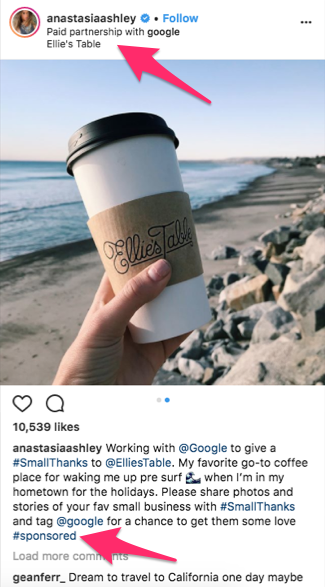
Ellie’s Table and Google used pro surfer and model Anastasia Ashley to promote this sponsored content on her Instagram page:

image2 5

With over 1.1 million people following Anastasia on Instagram, this promotion will reach a large audience.

Instagram recently implemented a new branded content feature to help businesses and influencers follow the FTC regulations we discussed earlier. As you can see, this ad is clearly labeled with the “paid partnership” location tag and “sponsored” hashtag.

We’ll discuss social influencers in greater detail shortly. But for now, make sure you find out everything you can about your target audience.

This research will help make your sponsored content much more effective.

Mix up your strategy

Sponsored content comes in all shapes and sizes. As you can see from the examples we’ve covered so far, they are all very different.

But depending on the type of ad you want to run and the audience you’re trying to reach, you can mix things up in many ways.

Try as many types of sponsored ads as possible to see which ones work the best. You can even run a sponsored email newsletter.

First, find a newsletter related to your industry and your target market. Reach out to them directly to see whether they are open to running a sponsored ad.

Figure out what your goal is ahead of time. This will make it easier for you to communicate your ideas to the company in question.

For example, you can approach them with thoughts such as:

  • repurposing your current content in their newsletters
  • growing the reach of your own newsletter
  • running direct response campaigns with their audience

There are lots of ways to do this. In addition to traditional newsletter writing, you may want to include images and videos as well.

Set up a unique URL so that you’re able to track all the leads from this campaign. You shouldn’t have to rely on your new partner to send you their analytics.

Think outside the box. What other types of sponsored campaigns would boost your reach? Have you considered podcasts?

Look at how ZipRecruiter used this strategy to promote their brand by partnering with Daymond John’s podcast:

image4 6

Advertising through podcasts can be much more beneficial than you think.

Research shows that 75% of people who listen to podcasts take an action after hearing a branded ad. People listen to about 90% of any given episode’s length, which tells us the majority of them aren’t skipping through ads.

Don’t get stuck in the idea that your sponsored content must be in the form of an article on the homepage of a website.

There are plenty of alternatives for you to consider. I strongly encourage you to give them a try.

Stay within your budget

The name says it all. Sponsored content is obviously going to cost you money. But that doesn’t mean you need to blow a fortune on it.

Like the rest of your marketing campaigns, your sponsored ads need to stay within a reasonable budget.

That said, there isn’t a set price for sponsored content. It will vary based on the distributor and platform.

These are some of the top factors to consider when it comes to how much you’ll spend on different types of sponsored ads:

  • time user spends on page
  • word count of sponsored articles
  • CPM (cost per thousand impressions)
  • page rank of website
  • lead capture
  • engagement
  • PPC (click-through rates)
  • website traffic
  • length of time ad is run
  • quantity of ads
  • email subscribers
  • social media followers

It may sound complex, but it’s pretty straightforward.

For example, it’ll cost you more money to run an ad on a website that has a high ranking and lots of traffic. Social influencers with 100,000 followers can charge more than influencers with just 5,000 followers.

It’s up to you to go through these elements and decide how much you’re willing to spend to boost your reach.

Form relationships with social influencers

As I started to explain earlier, there are lots of different ways to run sponsored content campaigns. Social media platforms, such as Instagram, Facebook, Twitter, and Snapchat, are all great places to start.

But since these social sites differ from traditional websites, you need to adjust your marketing campaigns as well.

The easiest way to do this is by leveraging relationships with social influencers.

Remember I said earlier that sponsored content should blend with the rest of the page it’s featured on? Well, the same concept applies to social media.

For a consumer scrolling through Instagram, the sponsored content should look like just another picture or video on their newsfeed.

For those of you who don’t have any relationships with social influencers, there are plenty of platforms on the web to help you get connected with these people. Some of my favorites include Buzzsumo and Klear.

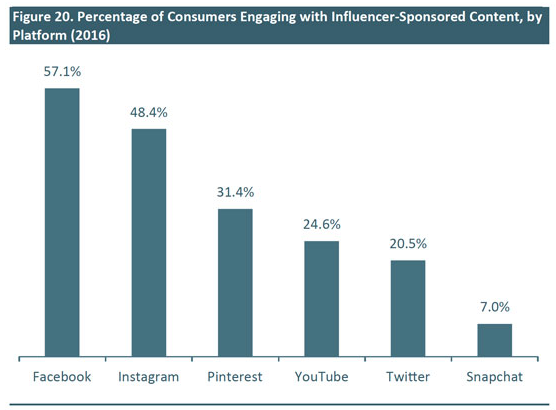
These platforms help you manage influencers on multiple social sites. Here are the top platforms in terms of user engagement as a response to sponsored content from social influencers:

image3 6

I suggest you find influencers on at least a few of these social sites.

Working with several influencers helps broaden your reach and will ultimately expose your brand to a wider audience.

Allow your sponsored content to enhance your long-term campaigns

We’ve already established that sponsored content is a type of native advertising. This is different from content marketing.

However, that doesn’t mean the two types of marketing need to be done in isolation from each other.

Your long-term marketing goals always need to be taken into consideration throughout your decision-making process. Don’t forget about these things when you run a sponsored ad.

The best types of sponsored ads will compliment your content marketing campaigns.

Refer back to the conversion funnel I discussed earlier. Your sponsored content can increase your reach and generate leads. As a result, your content strategy can drive conversions.

Analyze your results

How do you know whether your sponsored content is working?

You can’t just run ads and hope for the best. It’s absolutely necessary you take time to measure your results. That way, you can make adjustments.

Get rid of ads that aren’t working and continuing running ads that are creating leads.

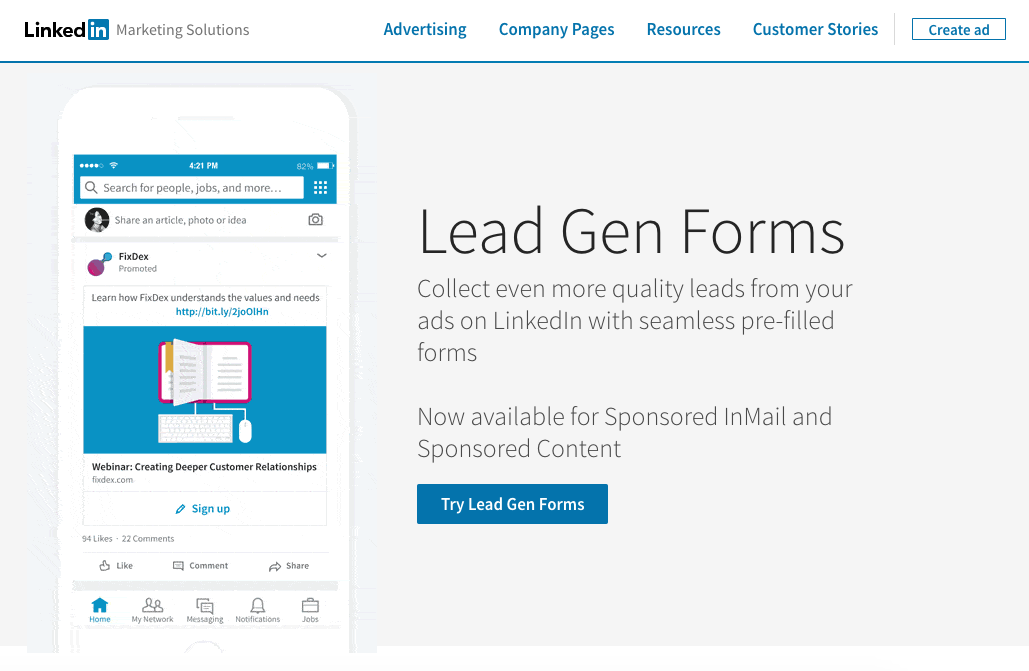
For example, you can use tools like lead gen forms on Linkedin to measure the success of your native ads.

image7 5

You can also do things like setting up an A/B test for your sponsored content.

The whole idea of analyzing your results will help you stay within your budget—an idea I’ve discussed earlier. You may discover that some of your least expensive ads are yielding the highest results.

You can potentially drop some of your pricier campaigns to save some money. The only way you’ll be able to figure this out is through analytics.

Conclusion

Taking advantage of free advertising is great. But if you really want to gain an edge over your competitors and boost your reach, you’ll need to spend some money as well.

Sponsored content and native advertising is a nice change of pace from traditional content marketing. Understand the differences between these strategies and try to make them compliment each other.

Don’t be deceptive. Make sure your sponsored content is in compliance with FTC regulations.

Research your target audience so you can figure out which types of ads they want to see and what platforms they are using.

Don’t stick to just one type of native ad. Use multiple types of sponsored content to mix up your strategy.

If you want to run sponsored content on social media, your best bet is to form relationships with influencers on those platforms.

Stay within your budget, and analyze your results so that you can make any necessary adjustments.

Follow these tips, and you’ll be able to reach a wider audience by using native ads and sponsored content.

How does your business use sponsored content to increase your reach and generate new leads?


from Quick Sprout https://ift.tt/2K7GVr8

Tuesday, May 8, 2018

AMZ Image Plugin: The Easiest Way for Amazon Associates to Insert Images from Amazon in WordPress

I'm a part of a few Facebook groups related to building Amazon affiliate websites, and I heard some grumbling. A few people were expressing their frustration with inserting Amazon compliant images in WordPress.  The problem seems simple enough.  Take an…

The post AMZ Image Plugin: The Easiest Way for Amazon Associates to Insert Images from Amazon in WordPress appeared first on Niche Pursuits.


from Niche Pursuits https://ift.tt/2K4cxhk

Monday, May 7, 2018

How to Effectively Manage Engagement for Stronger Influence

Keep your audience engaged. Engage with your customers. Track engagement.

I’m sure you’ve heard all of this before, but what does it actually mean? It’s impossible for marketers to create engaging content without fully understanding what it is.

Clicks. Shares. Comments. Traffic. Conversions.

What counts as engagement? Well, for starters, it will depend on a few different factors. There are multiple actions that can fall within the engagement definition.

There’s a difference between the type of engagement you’ll see on your website compared to your social media pages. These numbers will look different for your email campaigns as well.

It all boils down to this. Engagement isn’t just one thing or one number. It’s a combination of factors.

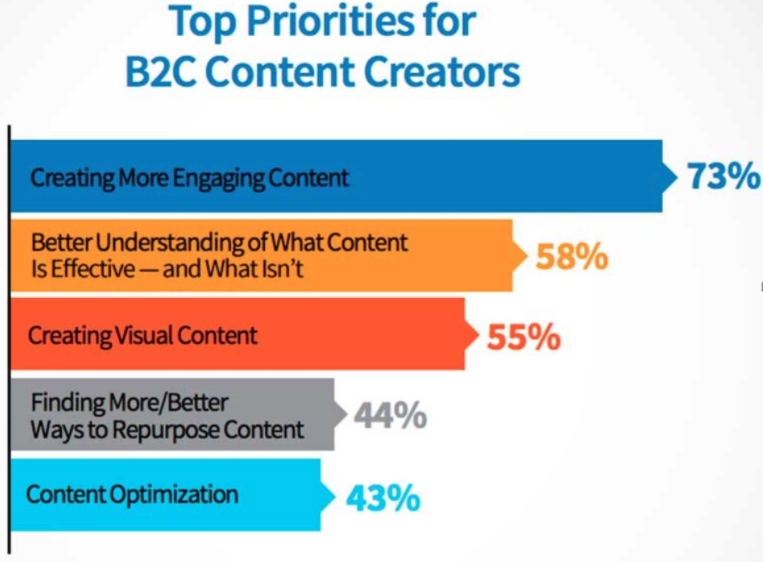
With that said, marketing experts agree that creating more engaging content is a high priority for their businesses.

image4 7

You need to prioritize this as well.

Fortunately, you’ve come to the right place. I can provide you with the tips, tools, and resources that you’ll need to achieve your engagement goals.

In this guide, I’ll thoroughly explain different types of engagement and how you can measure them. Once you learn how to track and manage your engagement, it will be easier for you to influence your customers.

Let’s dive in.

Monitor the time spent on each page

Website traffic is great. But just because you have high traffic, you can’t assume that your visitors are engaged with your content.

If people are only spending a few seconds on your pages, it’s safe to say that they’re not engaged. But the longer they spend on a page, the greater the chances are that they are consuming and engaging with your content.

Of course, it’s impossible to tell if someone is actually engaged just by how long they spend on the screen. For example, think about your own web browsing habits.

You may leave a browser open while you’re on the phone, texting, or just doing something else. Maybe you’re just mindlessly staring at the screen.

How many tabs do you have open right now? People could have your page open, but they’re spending time browsing another tab on a different site.

Not everyone visits a page, consumes content, and then exits. So the results of the time on the page may be slightly skewed.

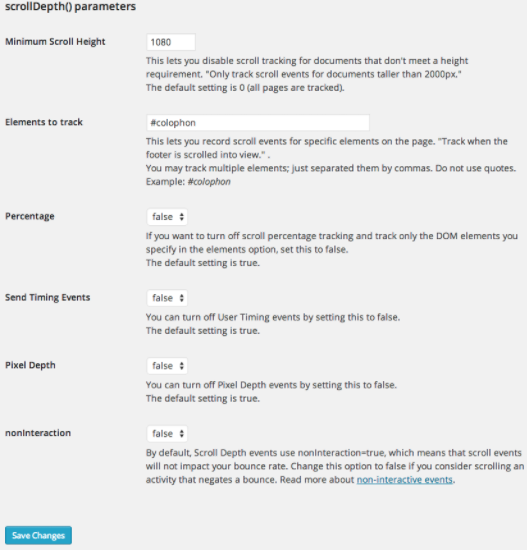
So to help you more accurately measure how long each visitor spends on a page, you should also track their scroll depth. This measures how far down the page people are scrolling.

You can use the scroll map feature on Crazy Egg to track your scroll depth.

There are also WordPress plugins that can be installed to monitor these numbers.

image1 7

You’ve just got to make sure that you’re running Google Analytics for this plugin to work properly.

Sure, measuring the scroll depth isn’t a perfect system either. Technically, someone could visit your site and scroll the bottom of the page in a few seconds before leaving without consuming any content. But this is probably an unlikely scenario.

It’s safe to say that if visitors are spending time on a page and they are working their way to the bottom of the screen by scrolling, then they are engaged with your content.

The time on page and scroll depth will vary based on the content of each page. For example, visitors should have a deeper scroll depth and longer time spent on a page if it’s a 3,000-word blog. But simple pages with few words and images won’t be as long.

You’ll need to keep all of this in mind when you’re measuring the results.

Comments are more important than shares and likes

As I’m sure you know, I do quite a bit of consulting with businesses. When we discuss engagement, their marketing teams are quick to talk about how many likes and shares they are getting on social media.

Don’t get me wrong, getting people to share your posts is great. User-generated content is basically free promotion for your brand.

Let’s say you share a blog post or video on Facebook. If your followers share it, then you’re getting exposure to a wider audience without having to do any extra work.

So you should always do whatever you can to promote sharing. Include social sharing icons on your website. You can even say things outright like, “Please share this with your friends.”

But with that said, high share rates don’t necessarily translate to high engagement.

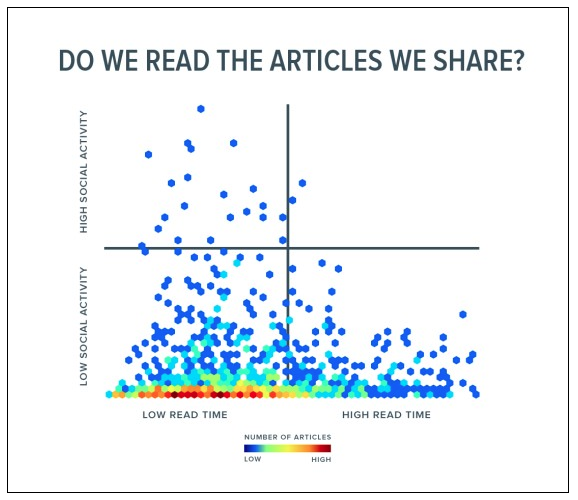
In fact, research shows that there isn’t a high correlation between reading time and social sharing.

image6 7

As you can see from the graph, the high read time doesn’t translate to shares. Just because someone clicked a share button, it doesn’t mean that they were engaged with the content.

The same concept can be applied to likes.

Think about how much effort it takes to like something on social media. People can just scroll through news feeds and click like without clicking on the link, watching a video, or even reading a caption.

That’s why comments are a much better indication of how engaged your audience is with your content.

People probably won’t take the time to comment unless they are actually interested. The comments will likely be related to the post. People will have questions, give feedback, and provide their own opinions on a specific topic.

Sure, you may get some spam on your posts. There are people out there who are just trying to promote their name and brand.

But for the most part, comments can be an accurate depiction of how engaged people are. Likes and shares are important, but they just don’t necessarily measure engagement.

Track conversions

If a website visitor completes the conversion process, it’s safe to say that they are engaged. It doesn’t matter where they came from or how they did it.

These people could have been drawn to your site from a wide range of channels. They may have come from your newsletter, blog, email campaign, or another landing page.

Don’t take it the wrong way when I say that it doesn’t matter where they came from.

Obviously, you should be tracking all of your leads, links, and conversions based on the distribution channel. Track all of these separately so you can see which channels are the most effective.

All I’m saying is that if they are converting, then they are engaged. Which would you rather have? High engagement or high conversions?

This is obviously a rhetorical question. But I think the two can be grouped together for our purposes here while measuring engagement.

When someone converts it means that they have taken an action. So we can assume that they consumed your content and were engaged enough to follow through.

This is much different than your reach. For example, getting lots of traffic to your website is definitely something to be proud of. But this doesn’t mean that they are engaged.

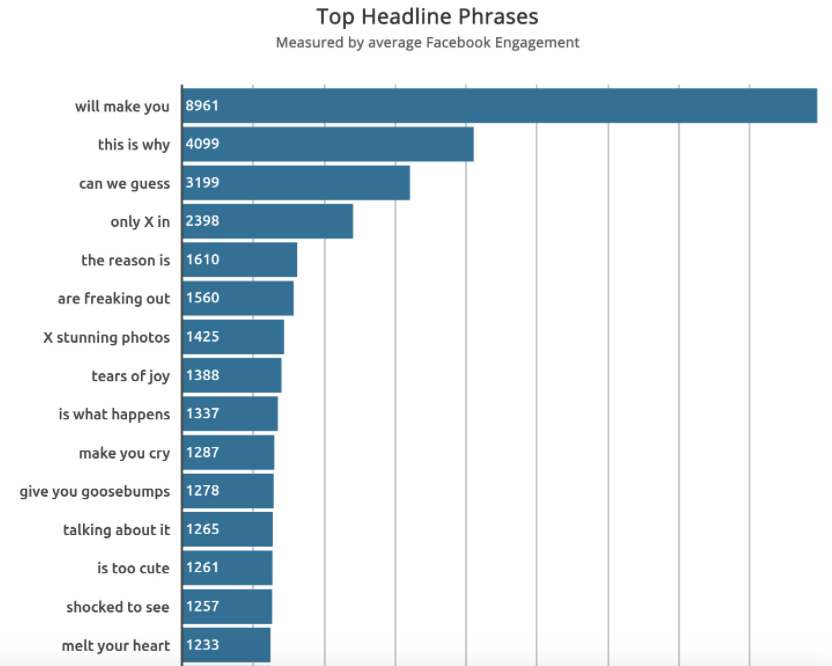
Maybe you’re just really good at writing headlines. There are certain headlines that people are just drawn to.

image5 7

This relates back to what we discussed earlier about measuring the time spent on the page and the scroll depth. Just because someone clicked on your link, it doesn’t mean they are engaged.

But if they complete the conversion process, you can assume that engagement was high.

Keep an eye on your organic search traffic

So far everything that we have discussed involves engagement with your target market, website visitors, and social media followers. But all of your efforts shouldn’t just be focused on engagement with humans.

Yes, you read that correctly. But just bear with me for a second here.

Measuring your organic search traffic can be a good indication of how well your website engages with robots, more specifically, the Googlebot.

This is where all of your hard work can really pay off. If you’ve followed my advice for how to improve your SEO ranking, then your website will be engaged with the Googlebot.

This engagement will translate to an increase in your organic search traffic.

It may not change the overall traffic to your website. That’s why it’s important to know where all of your traffic is coming from.

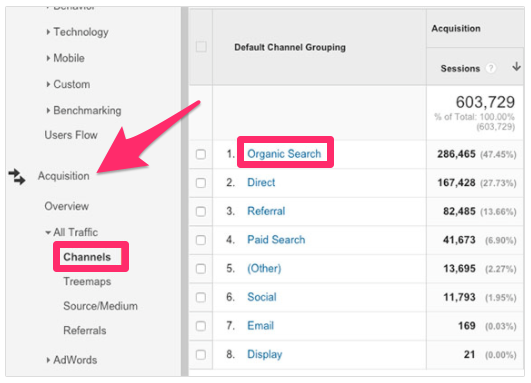
You can easily track your organic traffic with Google Analytics.

image3 7

Most businesses don’t take this into consideration when they are trying to increase engagement.

But making sure that your site is set up to properly engage with the Googlebot will definitely have a snowball effect that leads to an increased engagement across all of your channels.

Focus on your email lists

Another way to manage your engagement is by tracking your email opt-ins.

If people are subscribing to your email marketing list, then they are definitely engaged. Think about the process that they need to go through to sign up.

They saw something on your website that made them want to hear from you on a regular basis. This is great news.

Now you can take this one step further and continue tracking their engagement with email metrics for every campaign that you send.

Look for things like:

  • open rates
  • click-through rates
  • conversions
  • forwards

All of these are synonymous with engagement as well.

Track internal traffic

Let’s continue talking about traffic.

So someone lands on your homepage. Now what? What do they do?

Analyze your homepage and see what kind of options they could even engage with. As we’ve said earlier, visiting your website alone isn’t enough to say that a visitor is engaged.

But if they are clicking through your site internally, you can definitely consider those actions to be engaging ones.

Here’s an example. Let’s say someone is scrolling through Twitter and stumbles upon a link to one of your blog posts. So they click the link and read your post.

Remember, you’re also measuring the time on page and scroll depth, which we discussed earlier. Based on those analytics, you can see that they read the post.

Now they clicked on another blog post. This is huge. Tracking the internal traffic on your site is one of the best indications of engagement.

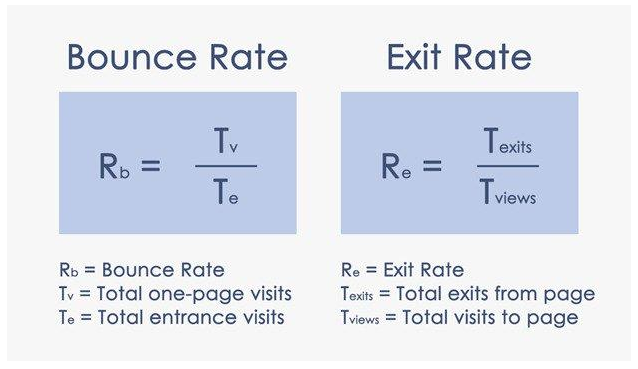
This visitor was so engaged with one piece of content that they wanted even more of it. But if your content is boring, your internal traffic will suffer and your exit rates will be high. These numbers shouldn’t be confused with your bounce rates.

image2 6

Exit rates are bound to happen. It’s natural to realize that people aren’t going to stay on your website 24/7. You can easily track your exit rates with Google Analytics.

Figure out which pages have the highest exit rates. These pages aren’t as engaging. So how can you make improvements?

Compare these pages to your more engaging content and see what’s lacking.

Once you’ve identified the differences and made the necessary adjustments, it will be easier for you to increase engagement on those pages. But it all starts with tracking your internal traffic.

Conclusion

Engagement isn’t just one number.

In order to effectively manage engagement, you must first understand some of the misconceptions about certain metrics that you’re tracking.

The time that users spend on a page doesn’t always convey their engagement. That’s why you should also track scroll depth to get a more accurate representation.

Likes and shares are great. But comments are a better way to measure how engaged people are.

Conversions are synonymous with engagement. Use your email opt-ins and campaigns to track engagement as well.

Make sure you monitor your organic search traffic in addition to your internal traffic.

If you follow these tips, you’ll have a much better understanding of how engaging your content is. As a result, you’ll be able to make adjustments and influence your audience accordingly.

What analytics does your brand use to measure the engagement of your content?


from Quick Sprout https://ift.tt/2rsME31

Friday, May 4, 2018

How to Increase Sales by Encouraging Mobile Spending

It’s a common misconception that you need to always focus on customer acquisition to drive sales and increase profits.

I hear this all of the time when I’m consulting with business owners. There are lots of other ways that you can generate more sales.

Sometimes all you need to do is make subtle changes to your existing process. That way you can improve the experience of your current customers and get them to spend more money.

You should set goals that help you increase the average purchase order and buying frequency.

One of the best ways to do this is by encouraging mobile spending.

Mobile trends are on the rise. In fact, over the past six months, 62% of consumers with a smartphone have completed an online purchase from their mobile device.

In 2017, mobile commerce held a 34.5% share of total ecommerce sales in the United States. At this growth rate, experts predict this number to rise to 54% by the year 2021.

This shouldn’t come as a major surprise to you. That’s because everyone seemingly has a mobile device glued to their hands at all times.

Smartphones. Tablets. That’s where people are browsing and consuming. You’ve got to recognize these trends and accommodate the needs of mobile users.

Here’s the bottom line. If you can encourage customers to buy from their mobile devices, you’ll be able to make more money. I’ll explain everything you need to know in order to make this happen.

Optimize your website for mobile devices

The first step in the process is making sure that your web design is optimized for mobile users.

Take a look at how users react to mobile-friendly sites.
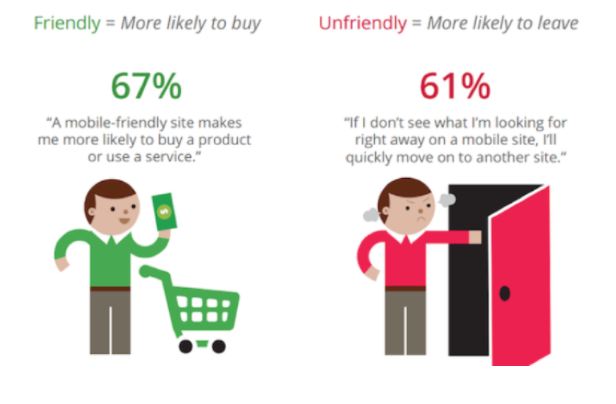
image5 9

People visiting your website are 67% more likely to buy your products or services if it is mobile optimized. But 61% of users will abandon your page if the design isn’t mobile-friendly.

Furthermore, 74% of users say that they are more likely to return to websites that are mobile-friendly.

Here’s why. Take a moment to think about the current layout of your desktop site. There are certain elements that need to be changed in order to fit properly on a small screen.

Now users won’t have to struggle to read small text. There’s no need for them to zoom in, side scroll, or do anything else that would impair their experience and limit their consumption.

It’s important for you to prioritize your mobile optimized website. This needs to happen before you start campaigns that drive more traffic to your mobile site.

Based on what we just discussed, it can have an adverse effect on the consumer opinion if they visit a site that’s not optimized for their device. Otherwise, you’re going to have high bounce rates and people leaving your site because navigation is too difficult.

So it’s safe to say that this should be your biggest priority right now if you haven’t already completed this step.

Here is a basic template example to show you what a mobile-friendly design looks like.
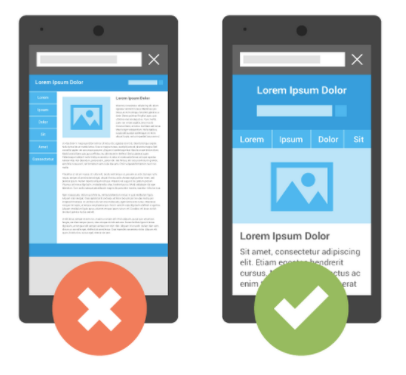
image1 9

As you can see, the design on the right is much easier to read, navigate, and comprehend.

You can improve your conversion rates and increase sales by simply implementing this strategy.

Create a mobile app

A mobile-friendly website is great, and it’s 100% necessary based on everything that we have already covered.

But with that said, if you want to take your mobile spending campaigns to the next level you’ve also got to create a mobile application.

Look, I get it. I realize that this isn’t as simple as changing an image on the homepage of your website. Business owners may be on the fence about developing an app because of the time and costs associated with a project of this magnitude.

I’m not going to lie to you. This can be a long and grueling process. It’s not necessarily going to be the least expensive investment you make in your life either.

But the results are worth it. Once you have an app up and running, it can do wonders for your business.

Your mobile app is basically an enhanced version of your mobile site. Every aspect and element of the app will be better than your mobile site. Users will recognize the improved experience and it will ultimately get them to spend more money.

It’s a great idea for all businesses in every industry to build a mobile app.

According to recent studies, experts predict that mobile spending via apps will rise to more than $110 billion by the end of 2018. That’s a 30% spending increase from the previous year.

Numbers this high are just too big to ignore. It’s clear that consumers have a growing comfort level with spending money from mobile apps.

These are the top three reasons why small business owners are building apps for their companies.
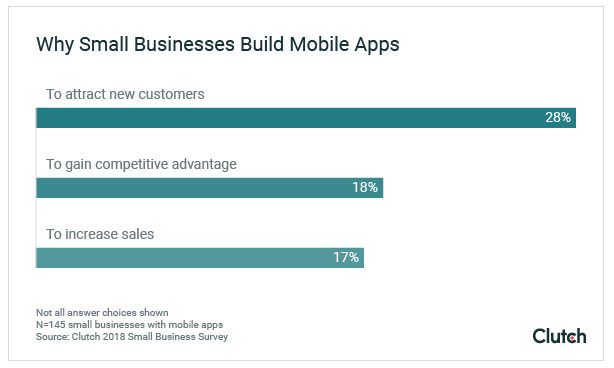
image2 8

If you recall, earlier I said that you don’t need to focus on customer acquisition if you want to increase your sales. But with a mobile app, it will be easier for you to get new customers without having to put in too much effort.

As we continue throughout this guide, you’ll see how new customers will automatically be more attracted to your business and willing to spend if you have an app available.

Focus on speed and performance

Whether users are accessing your mobile website or mobile app, there is one thing in common for both of these platforms. It’s got to be fast.

Research shows that ecommerce sites lose of half of their traffic if the page doesn’t load in less than three seconds. 74% of people will abandon a mobile page if it takes five seconds to load.

A slow mobile page loading time is one of the fastest ways to kill your conversion rates. You can’t expect to increase sales if that’s happening.

But on the flip side, high speed results in higher conversions and more sales.

The same concept applies to your mobile app. Take a look at how quickly people expect mobile apps to launch.
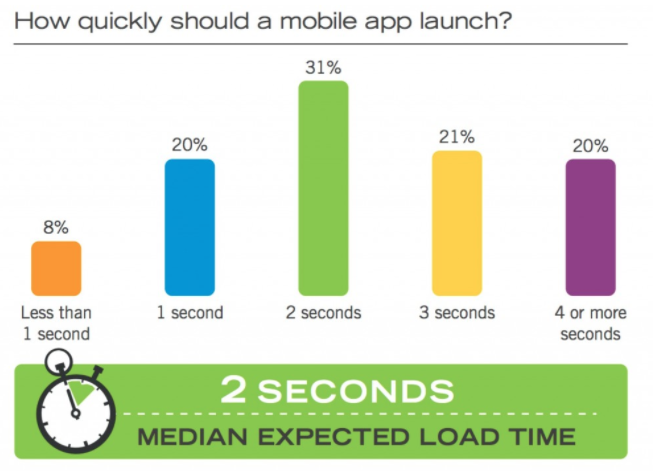
image8 3

Remember, you’re trying to get people to spend their hard-earned money.

If you give them an excuse to change their minds, they are going to take it. So if they are sitting on a loading page for a few seconds, it’s easy for them to get frustrated and decide not to complete the checkout process.

But if everything loads instantly, they won’t have a reason or even a chance to change their minds.

Speed and performance both go hand in hand. Sure, your site and app may load quickly, but if they have tons of glitches and crashes, it won’t help your conversion rates.

People value their time too much. If your platforms are giving them problems, they’ll find another site or app to use instead.

This could be detrimental to your brand. 83% of app users say that performance is important to them.
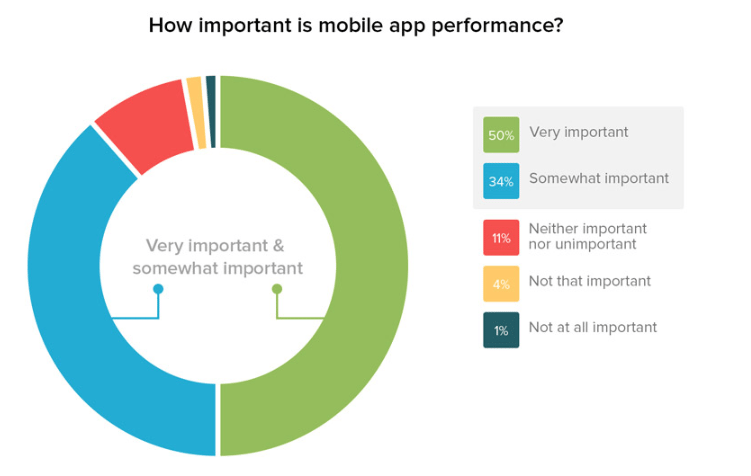
image7 7

Apps that are fast and perform well enhance the user experience. But 48% of people who had a bad experience using an app are less likely to use it again.

34% of consumers who had a poor app experience will go straight to a competitor’s app.

But if you prioritize speed and performance, you won’t have to worry about these problems.

Eliminate unnecessary steps in the checkout process

This piggybacks off of our last point. When someone decides what they want to buy, don’t make them jump through hoops to get it.

Having an efficient checkout process is important for the conversion rates on your desktop site as well. But it’s even more important for mobile devices.

That’s because it’s much harder for people to fill out information on their smartphones or tablets. To buy something, people have to enter their name, address, phone number, credit card information, and more.

It’s obviously easier to do this from a desktop device with a full keyboard than from a 4-inch screen. That’s why it’s important to only ask for the bare minimum.

Do you really need their phone number? Probably not.

So eliminate steps and fields that aren’t absolutely necessary to complete the purchase. Each added step will hurt your conversion rates.

Your mobile app can help improve your checkout process even more than your mobile website. That’s because it’s easy for users to save information to their profile.

Then they won’t have to fill out all of these fields each time that they want to buy something. As long as they are logged into their profile, they should be able to complete the purchase with just a few clicks.

Having a mobile app also makes it easier for you to implement and accept alternative payment options, such as Apple Pay.

Personalization is key

You’ve got to make sure that your ads and marketing campaigns are properly targeting the right people. Getting customers to shop from their mobile devices can make this easier for you.

As I said earlier, it helps speed up the checkout process. But having a customer profile on a mobile app can do so much more than this as well.

Now you’ll be able to recommend items to your customers based on their browsing habits and previous purchase history.

You may be surprised to hear that people are comfortable having their behavior monitored if it improves their shopping experience.
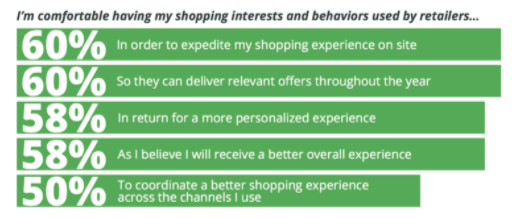
image4 9

Furthermore, 74% of consumers feel frustrated if the content isn’t personalized on websites. 77% of consumers say that they paid more for products and recommended brands to others if that company offers a personalized shopping experience.

It’s simple. Your customers want personalization.

Here’s a simple example to show you what I’m talking about. Let’s say someone purchased a snowboard, boots, a winter hat, and gloves from your app.

Well, the next time they launch the app you can have product recommendations on their homepage for items such as a snowboarding jacket or goggles.

Giving them recommendations for a surfboard or bathing suit probably won’t make too much sense.

You can also personalize suggested items based on things like gender, age, and location. Meaning you shouldn’t promote dresses and skirts to male customers.

Try using location-based services and geofencing technology to target customers based on their location. This can bring your personalization campaigns to a whole new level.

When an app user enters a specific area, they can get a targeted push notification to entice a sale. This could happen when they are within the vicinity of one of your retail stores or for other reasons as well.

Implement a digital loyalty program

Customer loyalty programs are one of my favorite ways to increase sales.

It gives your customers a reason to keep shopping and coming back because they want to benefit from the rewards that you’re offering. There are several ways to approach this.

But no matter which one that you choose, it will increase the likelihood that they’ll make purchases from your brand.
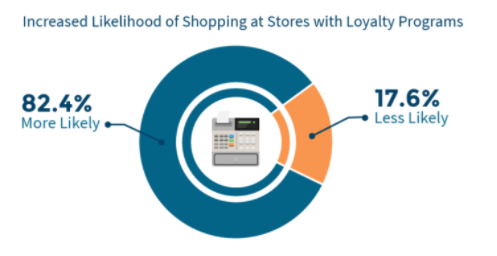
image3 9

One of the most common types of loyalty programs is based on a per visit or per purchase system. Think about how a punch card works at a local deli or pizza shop.

Businesses offer something like a free meal on the customer’s 10th visit, regardless of how much they spend each time they buy something.

Another way to approach this is based on spending tiers. The more a customer spends in a given time frame, such as a year, the better their benefits get.

No matter which option you choose, having a loyalty program built into your mobile app will help skyrocket your sales. That’s because people won’t have to worry about carrying a physical card.

They won’t need an account number to memorize or anything like that either. All they need to do is make purchases through the app and the rest takes care of itself.

It’s easy for them to monitor their purchase history and progress toward their rewards.

Psychologically, this will entice your customers to spend more money and buy more often. They’ll want to do whatever they can to reach the next reward level and enjoy the benefits that come with it.

Promote mobile benefits and offer incentives to spend

So you created a mobile-friendly website and built a mobile app. Now what?

Nobody is going to know about this until you tell them. So you’ve got to use all of your marketing channels to spread the word.

Don’t wait until your app is launched to tell people. Start building hype so the customers are ready for it and are anxiously ready to download as soon as they can.

Then they’ll be able to start spending right away once the app has officially launched. Talk about these benefits on channels like Facebook, Instagram, and Twitter.

Send information to subscribers on your email list as well.

54% of emails are opened from mobile devices. So if you’ve got links in your emails, you’ve got to make sure that it drives the recipients to your mobile-friendly website.

All of your emails should have a “download our app” button somewhere within the message. If you don’t promote it, you can’t expect to see results.

You’ll also need to give people an incentive to shop from their mobile devices.

One of the best ways to do this is by offering a discount off of their first purchase from the mobile app. This is a great reason for people to download the app and spend money.

Here is an example of this strategy that was implemented by the Shopbop brand.
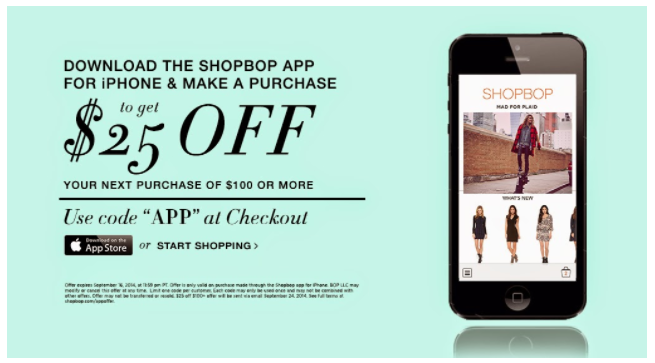
image6 9

Another way to increase sales is by creating a customer referral program through your app. Set up one that offers an incentive for the current customer as well as the new customer.

This is basically free promotion. The only cost to you is the discount that you’re offering, which shouldn’t be drastic enough to hurt your profit margins.

Plus, the more people who download your app and use it will increase the chances for other people to discover it when they are browsing the app store.

This increases your brand’s credibility. Ultimately, this will help you get new customers and generate higher sales.

Conclusion

If you want to get more sales, you’ve got to find ways to improve the experience of your existing customers. Recognize their consumption habits and adjust your process accordingly.

Start by designing a website that’s optimized for mobile devices. After that, you can build an app to take the shopping experience to a whole new level.

Prioritize speed and performance. Simplify the checkout process.

Offer a personalized shopping experience for mobile users. Use your app to enhance your customer loyalty program.

Just make sure that you are properly promoting your mobile benefits and give customers incentives to spend.

Follow these tips if you want to generate higher sales from mobile customers.

How is your business encouraging customers to spend more money on your mobile site and app?


from Quick Sprout https://ift.tt/2KAhxvf

Wednesday, May 2, 2018

How to Monitor Your Competitors With These 10 Helpful Tools

Your business doesn’t operate in a vacuum.

There are countless outside factors that influence whether or not you’ll turn a profit. Your competition plays a huge role in the success of your business.

That’s why it’s so important for you to take the proper steps to gain a competitive edge on other brands in your industry. But, as I’m sure you’ve quickly realized, this is much easier said than done.

The ease of access to the Internet has amplified your competition at an exponential rate.

You’re no longer just competing with a few other local or regional businesses. You’ve got to worry about national and global brands as well.

What makes your company unique? What differentiating factors help you stand out? Why would a customer buy from you over your competitors?

These questions are difficult to answer, especially if you aren’t constantly researching the competition. But with so many other brands to keep an eye on, this can seem like a daunting task.

Not to worry. There are plenty of online tools to help you keep tabs on your competitors. I’ve narrowed down this list to the top 10 I found to be the most helpful.

If you try these out, it will be much easier for you to brand and market your business, taking into account what your competitors are doing.

1. Google Alerts

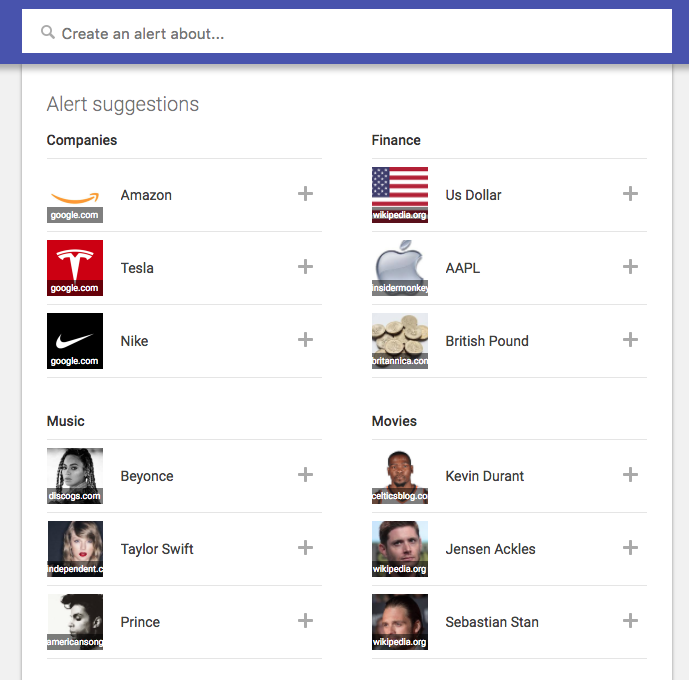
No list of online monitoring tools would be complete without Google Alerts.

image1 8

This tool is about as easy to use as it gets. Simply sign into your Google account to get started. If you don’t have one, it will take only a couple of minutes to sign up.

Next, input the names of your competitors. Google takes care of the rest.

You’ll get an email report every time a competitor on your alert list gets mentioned online. You can set it up for links and keywords as well.

It all depends on what you want to track.

Google Alerts is great because it’s free to use. You’ll get notified when your competitors are mentioned so you can stay up to date on the latest information.

2. Social Mention

We know 71% of small businesses use social media to engage with their customers. This shouldn’t come as a surprise to you.

That’s why Social Mention is one of my favorite monitoring tools.

image2 7

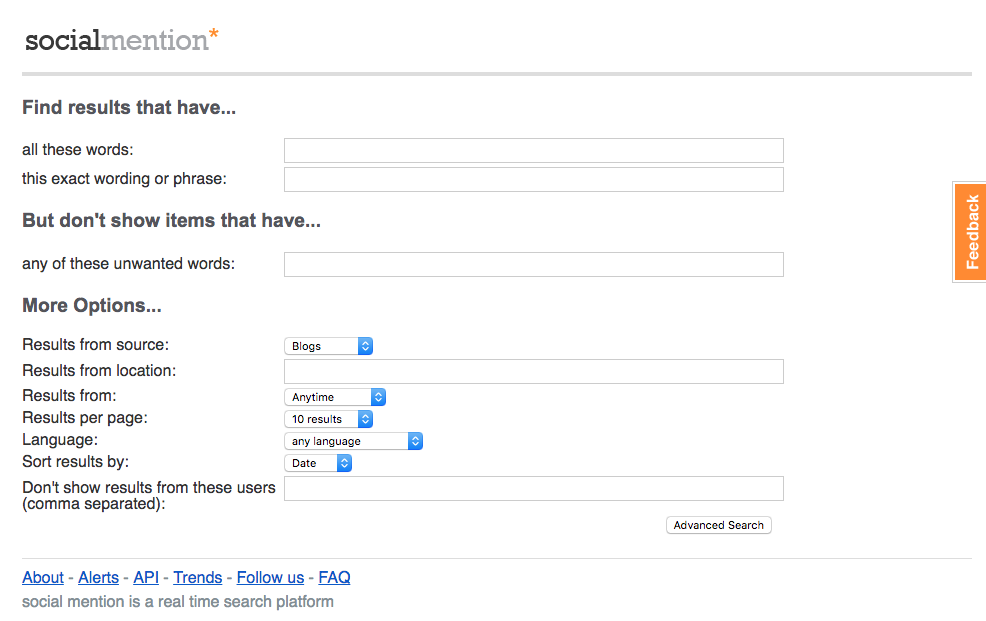
It’s super easy to use. Simply search for terms, keywords, or the names of specific brands, and the platform will show you what people are talking about across social networks and blogs.

The tool will tell you how often the brand gets mentioned as well.

This is a great opportunity for you to see what actual people are saying about your competitors in real time. There are plenty of ways for you to use this to your advantage.

If the comments are negative, you can try to avoid these errors yourself. You may even be able to exploit those mistakes in a marketing campaign, aiming to steal their customers.

But what if you see nothing but positive comments from people talking about your competitors? Don’t panic just yet. You can still benefit from this knowledge.

Figure out what your competitors are doing well and try to emulate it. What do they do best? Find a way to do it better.

3. Instapaper

What happens when you see something online about your competitors?

Do you instantly drop everything to read it?

I doubt it. You’ve got a business to run. While competitive analysis is important, it can’t take priority over everything else you’re doing throughout the day.

But that doesn’t mean you shouldn’t follow up on this information later. You can use tools like Instapaper to stay organized.

image5 8

Instapaper behaves like a much more advanced version of a typical bookmark for web browsers. One of the best parts of this tool is you can access saved articles without an Internet connection.

So now, if you stumble upon some new information, a blog, or an article written by or about your competitors, you can save it and read it later.

The tool automatically optimizes the text so you won’t have to worry about messy scrolling or zooming the way you would have to on mobile sites. You can even adjust the font, size, spacing, and margins to your liking.

This tool is available for desktop and mobile devices. It doesn’t matter whether you use Apple or Android, they’ve got a version for you.

You can sync saved articles across all your devices as well. It’s perfect for those of you who want one place to conveniently read all articles about your competitors.

4. Monitor Backlinks

In addition to tracking your competitors’ names and social mentions, you should also be tracking their backlinks.

Backlinks play a huge role in website traffic and search engine optimization. That’s why in the past, I’ve given you tips for consistently building backlinks on a weekly basis.

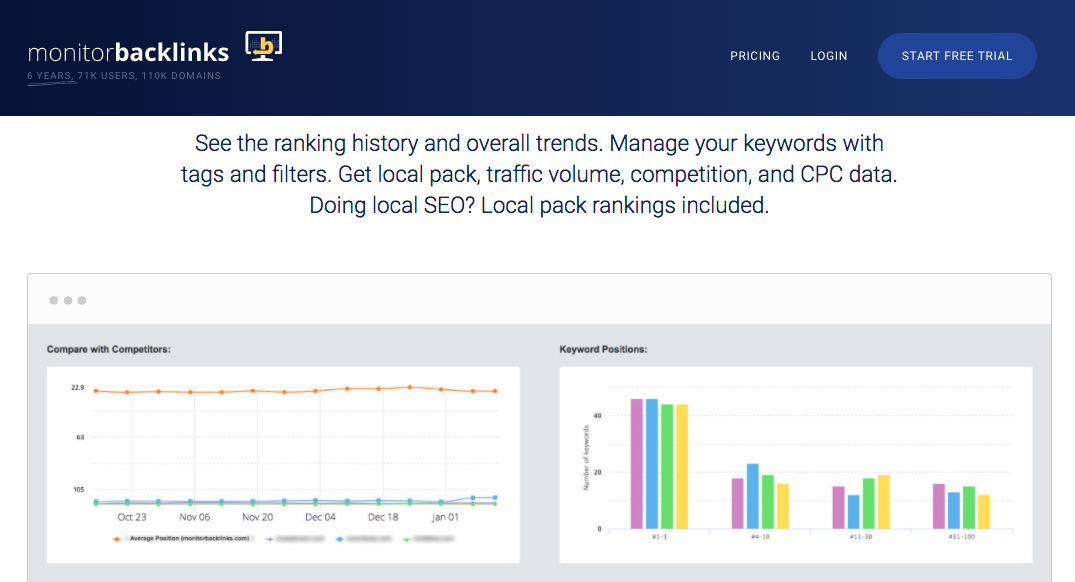
If your competitors are smart, they will be trying to build as many backlinks as possible too. That’s why the Monitor Backlinks tool is crucial to your competitive analysis initiative.

image3 8

This tool can help you figure out which competitor domains have the highest and lowest rankings.

It’s great information to help you learn which pages on their sites are getting the most traffic. You can also compare their results directly to your own website.

Here’s another reason why the Monitor Backlinks tool is something you need to take advantage of. It can help you build relationships with other websites.

Sometimes, backlinks happen by accident. A website or blogger may need to find an example or use online research to help add credibility to an article. So they search the web and find your competition.

Other times, your competitors may have relationships with certain websites. There could be some sort of arrangement that gives sites an incentive for linking one of your competitor’s pages.

Regardless of the case, reach out to those sites directly. Ask if you can be used as an example or resource in place of your competitors. Who knows, they may just go for it.

There are so many different opportunities for you to use this tool to your advantage. They offer a 30-day free trial, so it’s worth giving it a try.

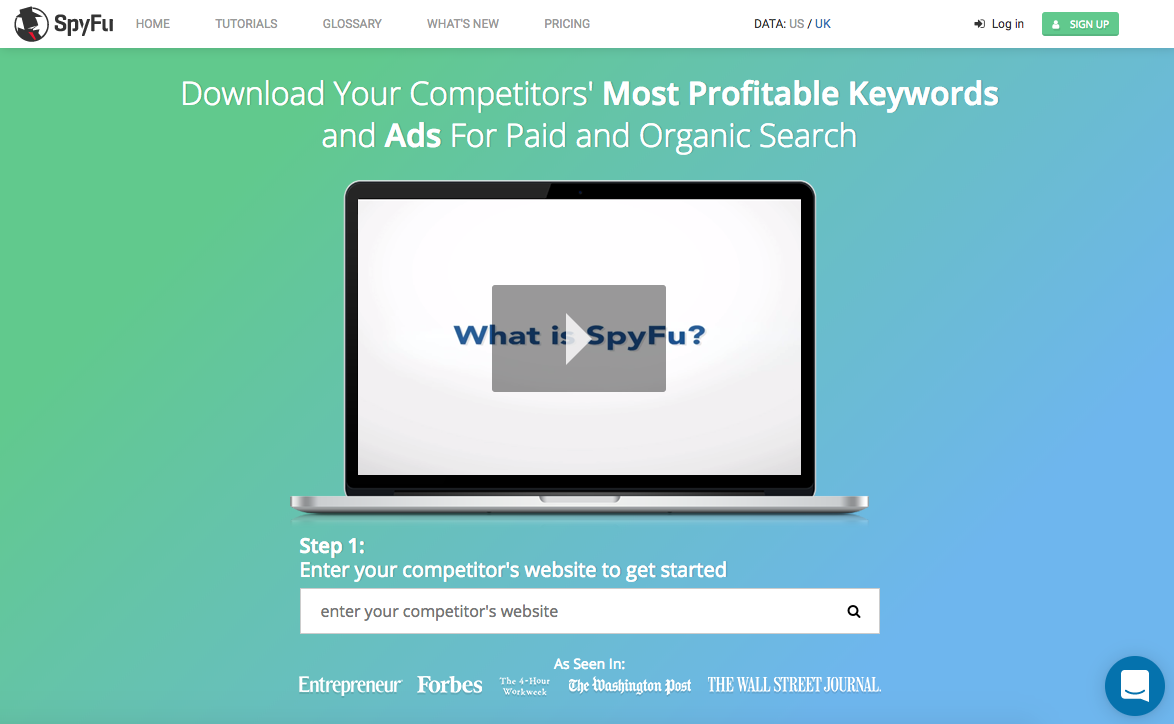
5. SpyFu

With a name like SpyFu, it’s no surprise that this tool is a top choice for spying on your competitors.

image4 8

Here’s how it works. After you search for the domain of your competitors, you’ll see where they’ve been on Google for the past 11 years.

This tool gives you access to keywords they bought on Adwords, all of their organic rankings, and each variation of their ads as well.

You’ll also have access to the success of their campaigns. Now you’ll know how much they are paying for each keyword and how many clicks they are getting.

As a result, you’ll be able to make better decisions when it comes to your own PPC campaigns. Don’t waste money on keywords that aren’t working for your competitors.

SpyFu also gives you access to keywords, backlinks, and content from your competitors that have a higher SEO ranking than you. This can help you see how you stack up against your biggest competitors.

Now you can make the necessary adjustments to improve your SEO rank and generate more leads. This will help give you the competitive edge you’ve been looking for.

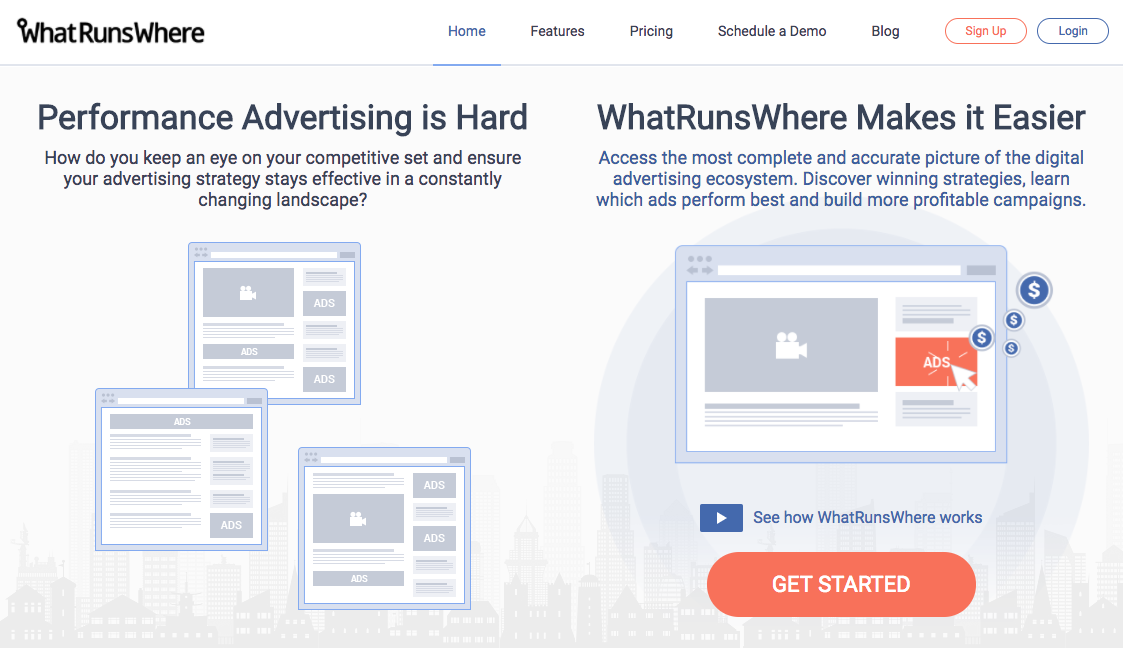
6. WhatRunsWhere

The WhatRunsWhere tool specializes in advertisements.

image7 6

You’ll be able to figure out how successful your competitor’s ads are. Based on this information, you can decide whether or not you want to replicate their winning strategies or avoid unprofitable campaigns.

Ads are constantly changing. It all depends on the goals of a company and what the consumers are demanding.

With WhatRunsWhere, you will know if your competitors find a new marketing strategy that works.

You’ll be able to see analytics and reports of the most current digital advertising landscape based on networks, devices, location, and time.

Unlike some of the other tools on our list, the WhatRunsWhere package isn’t free. Their most basic package starts at $299 per month.

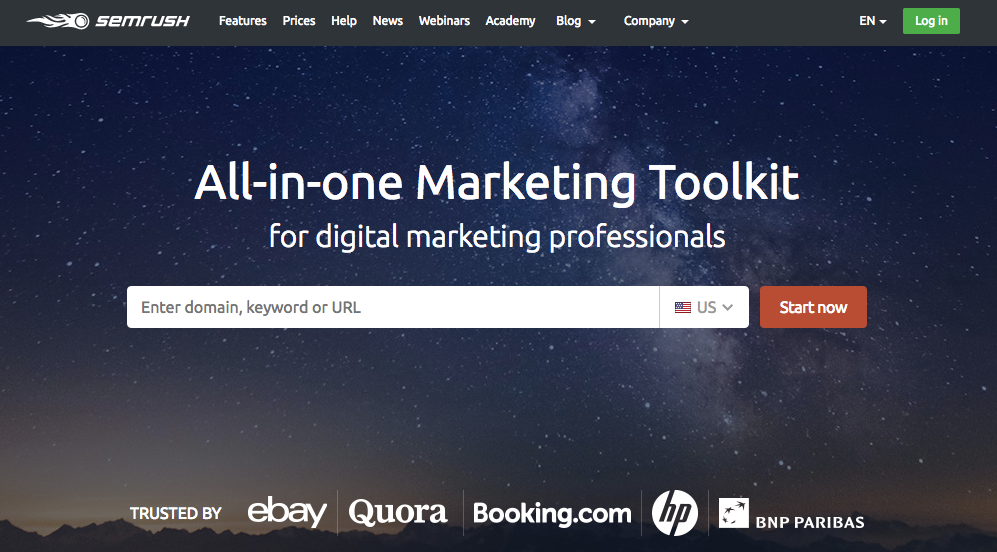
7. SEMRush

When it comes to keyword analysis tools, SEMRush is a top choice for you to consider.

image10

That’s because they specialize in competitive data analysis. Here’s what you need to do.

Simply type in the home page of your competitor’s website. SEMRush will get your instant information about their rank, traffic, ad keywords, and organic keywords.

All of this information is neatly organized into a graphic report that’s easy to read and understand. It’s a great way to digest and analyze data when it’s displayed this way.

You’ll also be able to see a side-by-side comparison of different domains so you can compare yourself to your competitors or compare two competitors to each other.

SEMRush can also help you generate keyword ideas for your own site as well, which can give you a competitive edge.

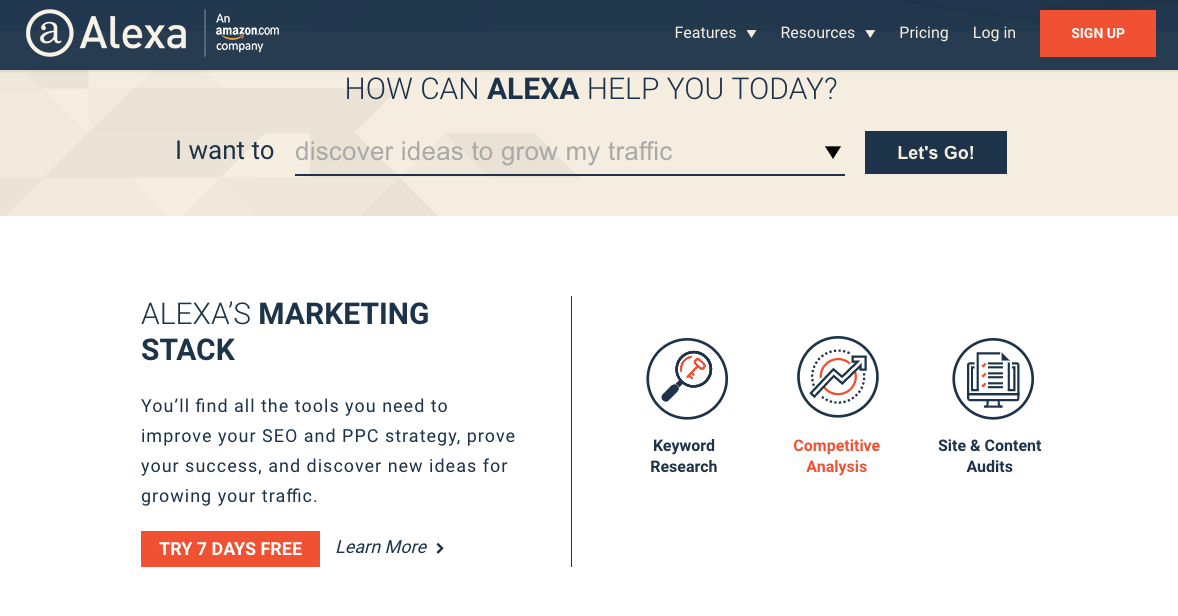
8. Alexa

As you may know, Alexa has features that rank websites and show information related to their traffic. But not everyone realizes that Alexa also has competitor analysis tools.

image6 8

Most of the tools on our list so far require you to manually input information about your competitors. This can include their names, keywords, or domains.

But what happens if you don’t know who your competitors are? Alexa can help you identify which websites are your biggest competitors.

You can also compare your site to the benchmarks in your industry to see how you stack up against everyone else. Find out what you need to do to improve your rankings.

Alexa can also track different sites for you. You’ll get real-time information about how these websites are performing.

Another bonus feature of this tool is the partnership opportunities. You can discover websites that would be a good fit for guest blogging. This can also be used for influencer marketing and other advertisements.

Get connected with these opportunities before your competition has the chance to.

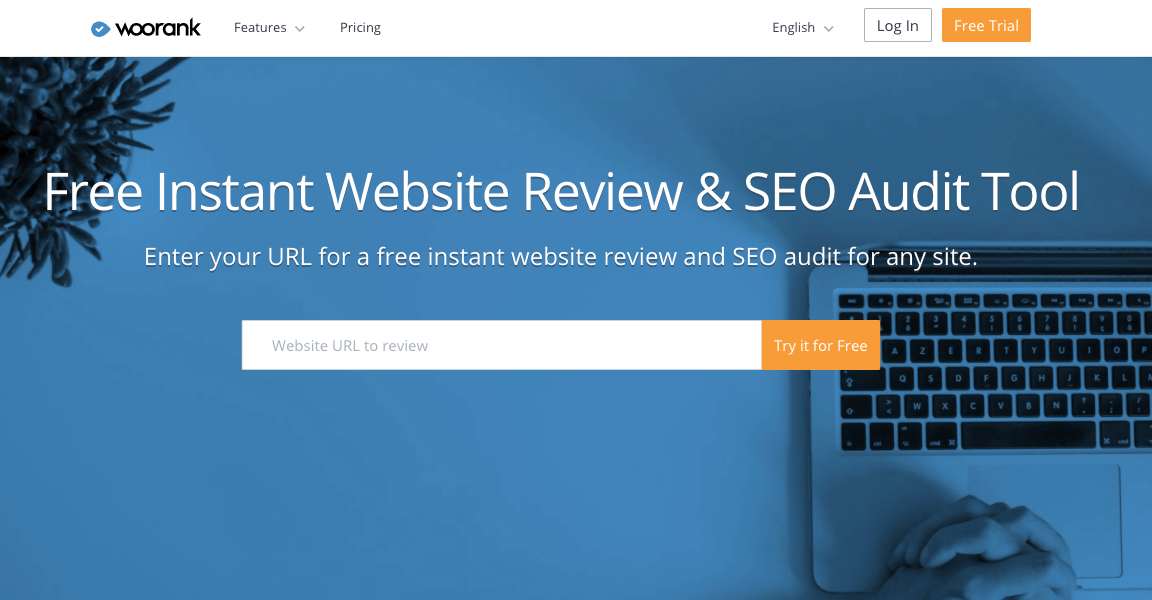
9. Woorank

Woorank offers website reviews and SEO audits for any website. All you need to do is type in a competitor’s website to generate a report.

image8 2

While the basic version of this tool may be free, you’ll want to upgrade your membership to get all of the benefits it has to offer. The monthly plans range from $50 to $250, depending on the features you’re looking for.

You can compare your website to all your competitors’ sites from one dashboard. The tool helps you monitor things such as:

  • keywords
  • users
  • bounce rates
  • page views
  • session durations
  • new visits

You’ll also have access to social media reports. The reports are displayed on a week-to-week basis, so you can see how your site compares to the competition over time.

If your ranking continues to rise, you’re obviously doing things right and need to continue with your current plan. But if you are starting to decline, it’s time to reevaluate your strategy.

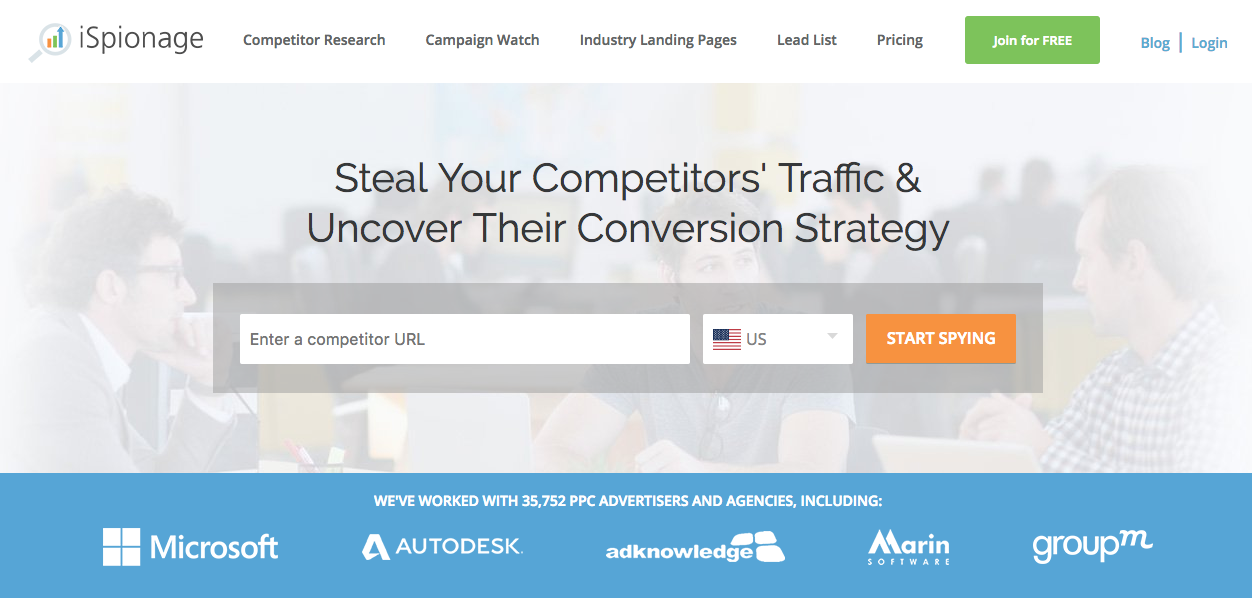
10. iSpionage

If you’re looking for another tool to help you monitor keywords, iSpionage is a top choice to consider.

image9

Their reports will show you how your competition is grouping advertisements, keywords, and landing pages. You’ll be able to see which of these ads are getting the most traffic as well.

Unlike some of the other monitoring tools, iSpionage uses data from Bing and Yahoo in addition to Google, which can give you a more accurate representation of the results.

You’ll be able to identify the most profitable keywords and adjust your strategy based on what your competitors are doing.

iSpionage even shows an estimated monthly budget for your competition’s PPC campaigns.

Conclusion

Competitive analysis is a crucial component in the success of every business across all industries.

This statement holds true for companies both old and new. It doesn’t matter if you are trying to identify the target market of your startup or coming up with an advertising campaign for a brand that’s 20 years old. You need to monitor your competition.

But with so many competitors out there, it can be difficult to keep your eye on all of them.

That’s why you need to use technology. The list of tools I’ve outlined above can be extremely helpful.

I’m not saying you need to use all of them. Many of these tools have similar features.

Some tools focus on specific platforms, like social media, while others put more emphasis on backlinks, keywords, or advertisements.

It all depends on what you’re looking for. Decide how much you want to spend on tools to monitor your competitors and what type of information you want to get in return.

What types of tools does your company use to monitor your competitors?


from Quick Sprout https://ift.tt/2HJEt9p