Monday, May 21, 2018

The Top 10 Social Media Trends of 2018

Social media is constantly evolving.

It’s no longer just a place for your family and friends to share old and embarrassing photos of you every Thursday.

As a marketer, you need to learn how to properly leverage these platforms to your advantage. Being active on social media is huge, and it’s absolutely necessary for your survival.

But that alone won’t automatically make you successful. You also need to stay up to date with the latest marketing trends and apply them to your business.

Today, marketing and social media go hand in hand. As we near the midway point of 2018, I’ve taken the time to identify the top social trends of the year to date.

I analyzed data from previous years and determined what trends saw a steady incline. Plus, even though the year isn’t over yet, I was able to see which new developments were the most prominent in these early months.

I predict that these trends will continue in the coming year. It’s important for you and your brand to stay on top of things right now.

1. Live video continues to thrive

Live video content made big waves in 2017. In one of my previous blog posts, I explained that you should jump on the live video bandwagon.

It should come as no surprise that this continues to be a popular trend in 2018.

In fact, live video content has become so popular that roughly 95% of brand executives say it will be a crucial part of their 2018 marketing strategy, according to a recent study.

Why?

Consumers love it. Research shows that 80% of audiences prefer watching live video from brands as opposed to reading a blog. And 82% of consumers say they would rather watch live videos than read social media posts.

As a result, the most popular social media channels have implemented live streaming options. Brand marketers are taking advantage of this.
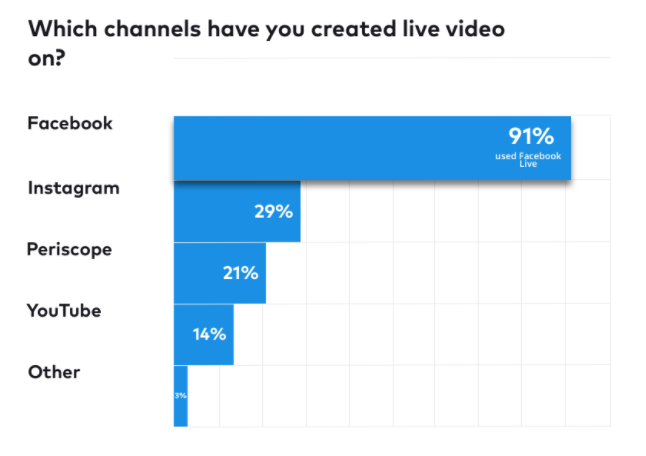
image1 2

When it comes to live streaming, Facebook leads the way, according to the 2018 state of social media report from Buffer.

In 2017, only 31% of businesses broadcasted live videos to promote their brands. I expect to see a much higher percentage by the end of this year.

Marketers aren’t the only ones taking advantage of live streams. Regular people share live videos to interact with their friends and family on social media.

The increasing popularity of live video means your company needs to get on board with this trend right now. Businesses need to recognize how this trend can help increase engagement with social media followers.

Start going live on all your distribution channels. Respond to user comments in real time.

This will help you maximize your reach and generate new leads for your company.

2. Chatbots are taking over

Internet chatbots have been around for a long time. They go all the way back to the days of AOL instant messenger.

But like everything else, they are evolving. Now chatbots are being integrated with social media platforms.

Businesses are using chatbots to communicate with their customers on social media. This trend is growing at a rapid rate.

In the first year of the new Facebook Messenger platform, we saw the number of chatbots jump from 33,000 to more than 100,000.

The possibilities here are seemingly endless. Take a look at how Pizza Hut uses chatbots to make it easy for customers to order food through social media:
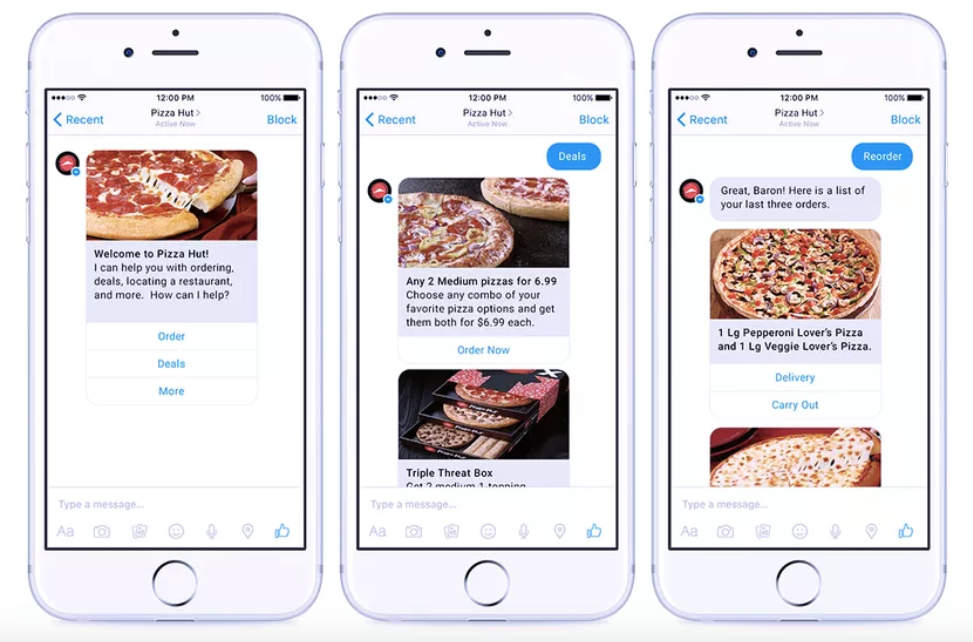
image10

These bots recognize words phrases sent by users. Their automatic responses are based on how they are programmed.

As you can see from this Pizza Hut example, these bots can be used directly to drive more sales and increase revenue streams.

I believe we are going to see more businesses take advantage of these tools by the end of 2018. In fact, a recent survey suggests that roughly 80% of marketing executives have used or plan to use chatbots by 2020.

It’s a winning solution that’s a cost-effective alternative to paying real customer support representatives.

It’s estimated that chatbots are going to save businesses in the healthcare and banking industries a whopping $8 billion per year by the year 2022. That’s compared to $20 million in 2017.

Sure, nothing can replace the personal touch of a human response. Well, at least not yet. But these chatbots out there right now are certainly on the right track.

3. Influencer marketing is evolving

Influencer marketing isn’t a new concept either. But the way that it’s being used on social media channels is definitely changing in 2018.

More specifically, companies are starting to partner with micro influencers to increase their credibility.

What exactly is a micro influencer? They are people on social media channels who have a strong following but don’t have a celebrity status.

While there is no exact threshold, micro influencers typically have anywhere between 1,000 and 90,000 followers. Once we start to reach the hundreds of thousands of followers line, we are entering macro influencer territory. And anything higher than a macro influencer is considered to be a celebrity.

These are some of the top reasons why brands are partnering with these types of influencers:
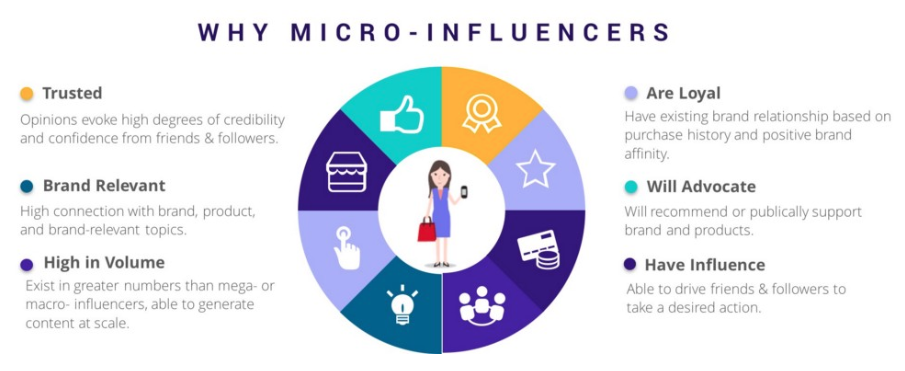
image9

Research shows that micro influencers have 60% higher engagement rates than traditional celebrity influencers. You can also expect to see 22.2% increase in average weekly conversions from this marketing tactic.

Another reason why brands are so drawn to micro influencers is because they are cost-effective compared to other advertising expenses.

This is still a relatively new trend, so brands and influencers alike are unsure of how to come up with a standardized pay scale. As of now, it’s anything goes.

I’ve seen some businesses that don’t even pay their influencers. They just send them free stuff for social media posts.

But as we continue moving forward in 2018, I’m expecting micro influencers to be more business savvy and demand pay for their efforts.

They know their followers trust their opinions. So don’t be hesitant to spend money on influencer marketing as the year continues.

4. Brands are taking advantage of paid advertisements

It’s 2018, so businesses know they need to have an active presence on social media. They have profiles on multiple platforms and update them on a daily basis.

While this is definitely necessary for survival, it’s not quite enough.

Companies that want to take their social media strategies to the next level also pay for advertisements.

Facebook alone has more than six million advertisers on its platform. In September 2017, Instagram hit two million monthly paid advertisers.

That’s because it’s become very easy to set up ads to target a specific demographic. It’s hard for businesses to turn down this type of precision in targeting.

Just look at how simple these options are for marketers who want to advertise on Facebook:
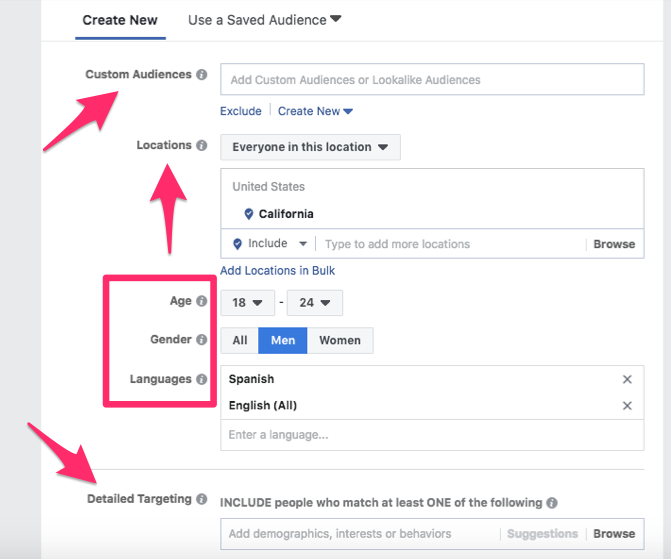
image3 2

In addition to being able to reach such a precise audience, Facebook also makes it easy for you to set your budget. You can set it up on a daily or weekly basis. It’s also possible for brands to manage their budgets based on the lifetime of each ad.

There are also many different options for the type of ad you want to run.

It’s easy to experiment to find out what works best for your company based on the demographic you’re targeting.

Research shows that by the year 2020, social media advertisements will surpass newspaper ad spending.

I anticipate that more companies will allocate a larger portion of their marketing budgets to paid social media ads in 2018.

5. Social listening

Social platforms are listening to your conversations. Whether you want to believe this or not, it’s the truth.

I know you’ve seen it before. You’re talking about something with your friends and then you see an advertisement for it on social media.

Creepy? Yes. But that’s the reality of the world we live in right now.

Marketing solutions like Sprout Social offer social listening tools to help brands analyze various audiences.
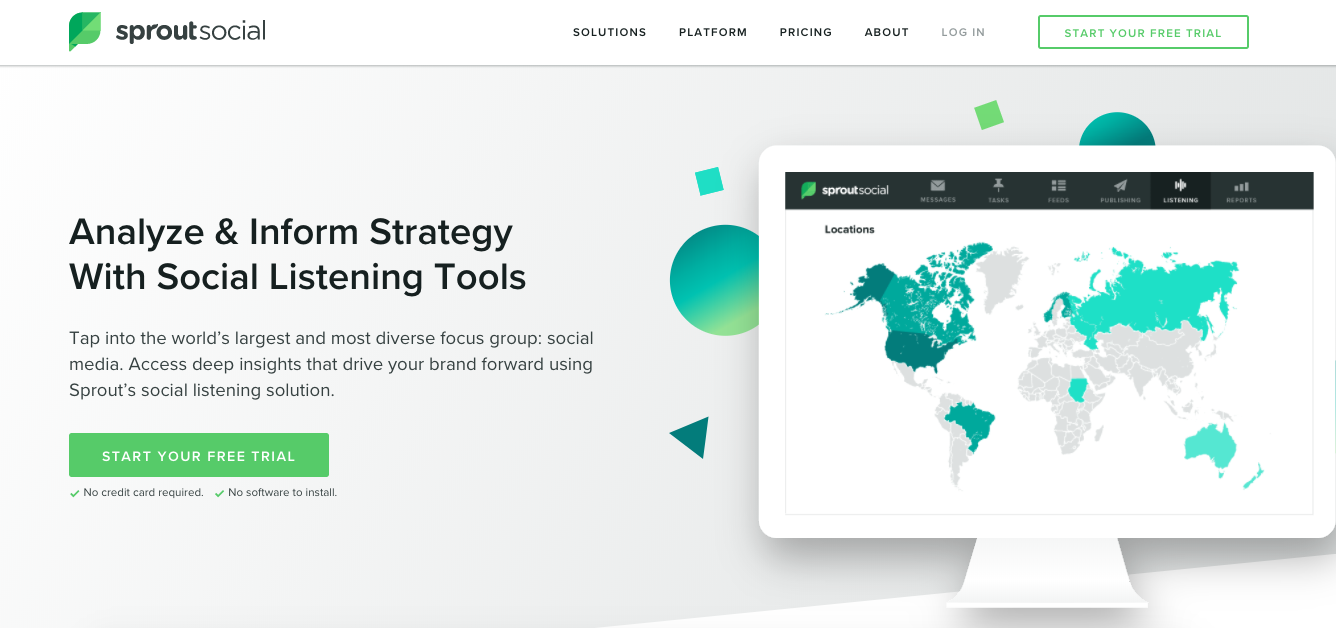
image8 1

There are many ways in which businesses can take advantage of social listening.

It gives you the opportunity to see what consumers say about your company. But you can also use this tool to monitor relevant keywords or hashtags used on social media.

You can use this data to adjust your marketing strategy accordingly and make sure you’re targeting the right audience.

6. Brands are leveraging user-generated content

User-generated content is basically like free advertising. It’s one of the best ways to grow your business by doing less work.

Get customers to talk about your company.

Encourage them to use hashtags and post about your brand on social platforms. One of the simplest ways to accomplish this is by posting user content to your company’s profile.

If people see you are willing to feature user photos, more people will post about you in an effort to be selected.

Look at how Thule employs this strategy on its Instagram page:
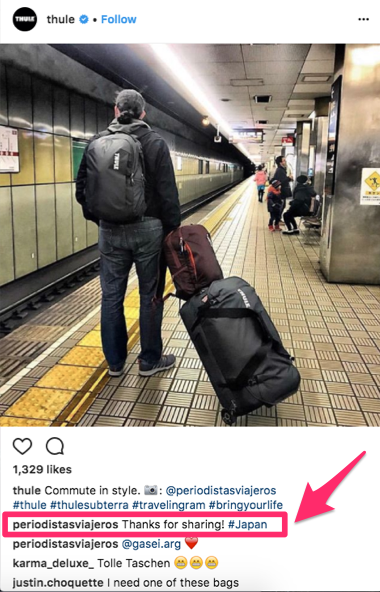
image5 2

As you can see from the comments section, the user who shared this photo even thanked Thule for posting their content.

Now more followers will be encouraged to do this as well. It will broaden the reach of their products to a wider audience.

When a customer posts about your company on their personal profile, it exposes your brand to all of their followers. Some of these people might not even know your brand exists.

Plus, people trust recommendations from their friends and family.

That’s why leveraging user-generated content is a top lead generation strategy. Social media platforms are the perfect distribution channel for this type of content.

7. Augmented reality

Augmented reality takes something that’s real and alters it using technology.

One of the best examples of augmented reality successfully applied to the consumer market was with the Pokemon Go gaming app.

The app accessed the user’s camera and added fictional elements to the screen.

But now, social media channels are implementing augmented reality on their platforms as well. I’m sure you’re familiar with Snapchat’s face filters.

image6 2

Facebook jumped on this bandwagon as well with their camera effects platform.

They are taking augmented reality to a whole new level with these features. They even built an augmented reality studio for developers to design unique animations.

These filters respond to motion and interactions in real-time, even during live streams.

Here’s an example of what this looks like during a Facebook Live broadcast:
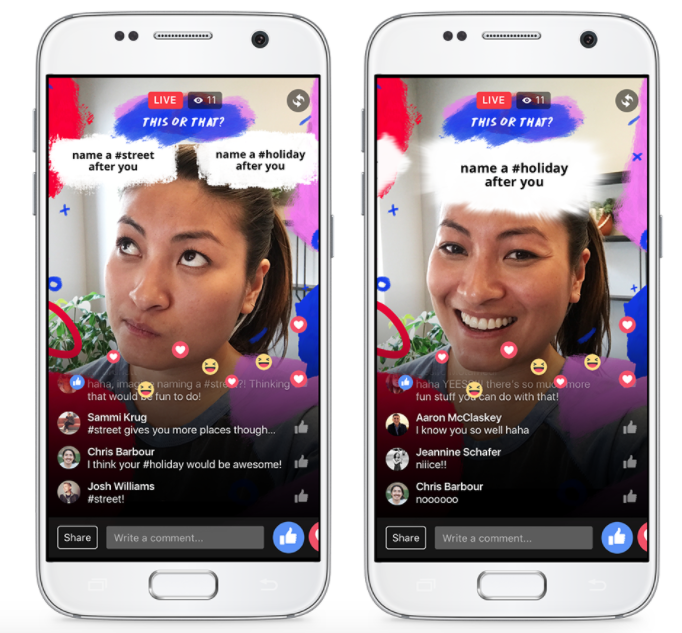
image7 2

Since Facebook also runs Instagram, it’s safe to say these types of options will be available on that platform as well during 2018.

I’m expecting to see big changes in social media augmented reality in the near future that will be much more impressive than just a dogface filter.

8. Ephemeral content

If you haven’t heard of ephemeral content before, it doesn’t mean you’re not familiar with it.

The definition of ephemeral content is something that is short-lived, lasting for up to 24 hours before  disappearing forever.

Of course, I’m referring to things like Snapchat and Instagram stories. After Snapchat came up with this concept, Instagram quickly recognized its popularity and implemented it on its platform as well.

The reason why short-lived content is so popular is because people feel as though it is more authentic compared to a traditional sponsored advertisement.

Users love it and add such content to their personal profiles on a daily basis. But brands need to take advantage of this as well.

It’s a great alternative to live video streaming, but it has similar effects.

It’s an opportunity for you to post several times throughout a day without spamming your followers’ timelines.

For example, you may not want to post five pictures and videos per day on Instagram. Users who follow you may perceive this to be an annoyance.

In fact, posting too frequently on social media can cause people to unfollow your profile.
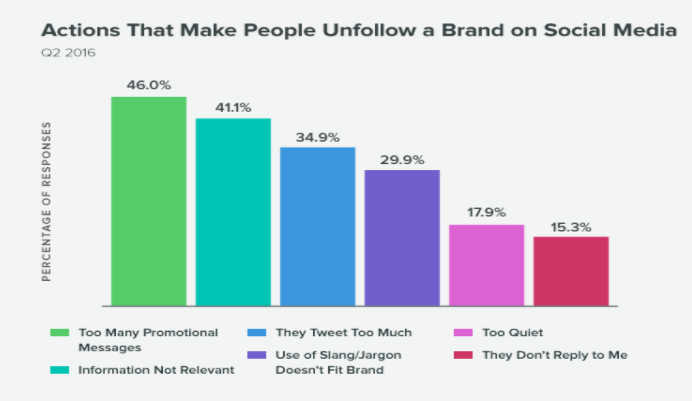
image2 2

But adding new content to your story isn’t as annoying because it doesn’t take up space on everyone’s timeline the same way a picture or video would.

Plus, these types of stories create the fear of missing out.

If your business starts to regularly share ephemeral content, users will make sure to check back frequently to make sure they aren’t missing out on anything.

I’d recommend using this strategy to run flash sales or other promotions to drive sales. We’re going to see more businesses as well as regular  people  add more short-lived content to their social media profiles.

9. Referral traffic and organic reach are declining

Social platforms are changing their algorithms. This is impacting what users see on their timelines.

As a result, homepages and timelines aren’t flooded with as many posts and ads from brands. Instead, posts from family and friends are being prioritized.

In previous years, these algorithm changes have caused organic reach on Facebook to drop more than 50%.

So you can’t rely on all your social media posts to drive traffic and clicks to your website.

That’s why brands need to come up with alternative social media marketing methods such as paid ads and micro influencers to increase referral traffic.

10. Small businesses are increasing their social presence

Nobody can afford to ignore social media anymore. It’s become a regular part of our everyday lives.

Ten years ago, small business owners may have thought it was unnecessary to build a presence on social media, but now they are all realizing how important it is for staying competitive.

In fact, 52% of small business owners post to social media on a daily basis.

While Facebook is still the most popular option, other social channels are seeing an increase in the number of small business users.
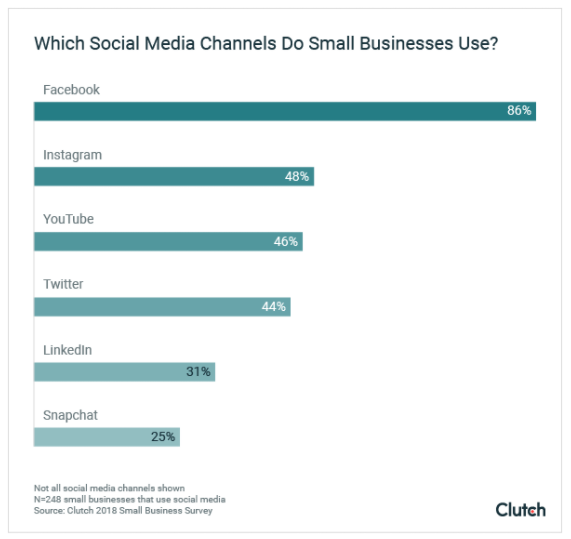
image4 2

With so many platforms to manage, business owners are being forced to change the way they operate.

They are hiring social media marketing managers and using time-saving tools to help manage and schedule their posts with automation.

Businesses without active social media profiles will struggle to survive in 2018.

Conclusion

Developments in social media are constantly changing.

As a marketer, you’ve got to stay up to date with the latest trends to keep your finger on the pulse and effectively reach your target audience.

Based on the research I found, I was able to narrow down the top ten social media trends to keep your eye on in 2018.

Use this list as a reference and guide for positioning your marketing strategy.

I’ll even throw in a bonus one for you. Although this isn’t necessarily a trend, it’s more of a prediction.

I think Twitter is going to make some big changes in 2018. Unlike the rest of my list, it’s more of a gut feeling as opposed to a fact-driven statement, which is why I left it out.

Use this information to your advantage moving forward in the second half of this year.

What social media trends will your company focus on to generate leads and drive conversions in 2018?


from Quick Sprout https://ift.tt/2GD0pBQ

Friday, May 18, 2018

The Top 21 Best Practices for Running a Successful Ecommerce Website

If your business sells tangible products, you need to have a strong online presence.

But with so much competition in the ecommerce space, it can be tough for you to establish your ground. Not only are you competing with local and regional brands, but you also have to deal with international giants such as Amazon and Walmart.

That’s why it’s important for you to focus on every detail of your ecommerce website.

Learn how to design a homepage that converts.

This guide is useful to everyone. Whether you are a brick and mortar retailer expanding into online business, a company that operates strictly through the Internet, or something in between, you’ll benefit from these tips.

It doesn’t matter whether you’re building a new website or making changes to your existing one.

Following these 21 best practices will help you increase conversions for your ecommerce store. You’ll also be able to generate more leads and add additional sales revenue to your bottom line.

1. Avoid clutter

Ecommerce websites with simple designs have higher conversion rates. Take a look at your homepage right now.

What’s the first thing a visitor sees?

There should be a clear point of focus. The visitor’s eyes should be drawn straight to a CTA button or products you sell.

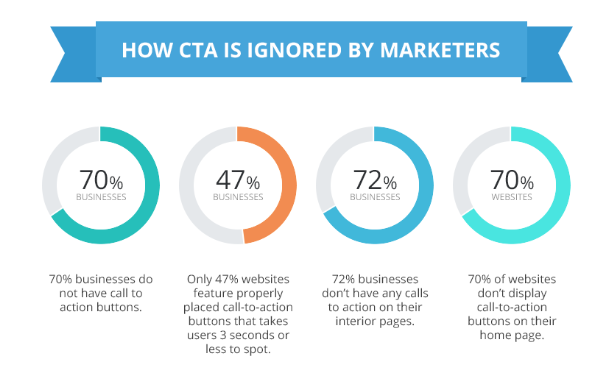
But too much clutter makes it difficult to identify your CTA.

image1 3

As you can see, 53% of websites have CTAs that take visitors more than three seconds to locate. You should be aiming for a time much quicker than that.

What actions do you want consumers to take when they visit your website? Obviously, you want them to make a purchase.

Make this as easy as possible for them. Don’t distract people with clutter. It’s overwhelming and confusing.

2. Simplify your menus

Menus are a great way to stay organized and group what you’re selling. But as just mentioned, you don’t want to overcomplicate things.

Too many menu categories will confuse the consumer, preventing them from finding what they’re looking for.

Your menu shouldn’t be super specific. Instead, use broad terms to categorize your products.

For example, let’s say your ecommerce brand sells clothing with items such as:

  • t-shirts
  • long sleeve shirts
  • sweaters
  • tank tops
  • vests

Rather than having five different menu options for each of these choices, you can group them into one category: “tops.”

3. Add a search bar

Let’s continue talking about simplicity.

Now that you’ve removed some clutter and simplified your menu options, you’ll still need to make additional changes. Since visitors will have fewer menu selections, they’ll see more products when they click on each category.

I know some of you may not have a ton of products for sale, but other ecommerce sites could have hundreds or potentially thousands of options to choose from.

Forcing users to scroll through these choices randomly won’t drive sales and conversions. That’s why implementing a search bar is the best solution.

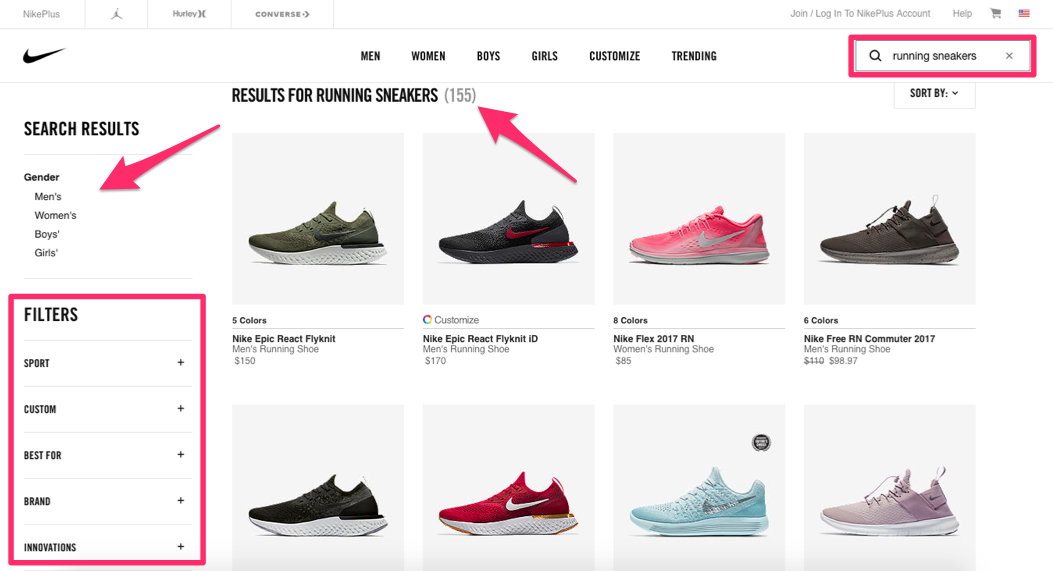
Check out this example from the Nike website:

image6 3

The company sells thousands of sneakers on its website. A search bar makes it easy for its customers to find what they’re looking for.

Take a look at what the search for “running sneakers” yielded in the example above. As you can see, there are 155 products that fit this description. That’s still an overwhelming number of items to scroll through.

But Nike has additional filters and search results on the left column of its search feature.

This helps customers narrow the options based on parameters such as gender or sport.

If you use this strategy, make sure all your products are clearly tagged with the appropriate labels. Then the search results will be accurately displayed for each shopper’s query.

4. Buy a premium web hosting service

Speed is one of the most important elements of a successful ecommerce website. Each page needs to load fast to yield high conversions.

But if you buy a budget web hosting plan, it’ll cost you in the long run.

Research shows a one second delay in page loading time can lead to a 16% decrease in customer satisfaction and a 7% loss in conversions. If your site has a two or three second delay, you’re in big trouble.

Even worse than a slow loading time is site crashes, glitches, or error reports.

That’s why you’re better off spending the money on a premium web hosting plan now as opposed to dealing with these headaches later. Trust me, it’s worth the investment.

5. Eliminate steps in your checkout process

Once a website visitor decides to buy something, they should find it easy to complete the purchase. It’s your job to make it so.

Each additional step in the checkout process will increase the chances of them abandoning the transaction. In fact, 28% of consumers said they abandoned a shopping cart during checkout because the process was too long and complicated.

The key here is to get only essential information from the buyer.

There’s no reason to ask for their mother’s maiden name, the first concert they attended, or their favorite vacation spot.

Get their billing information and shipping address. That’s all you need to process a transaction.

6. Don’t force shoppers to create a profile (but encourage it)

As I just said, you want your buyers to go through the checkout process as quickly as possible.

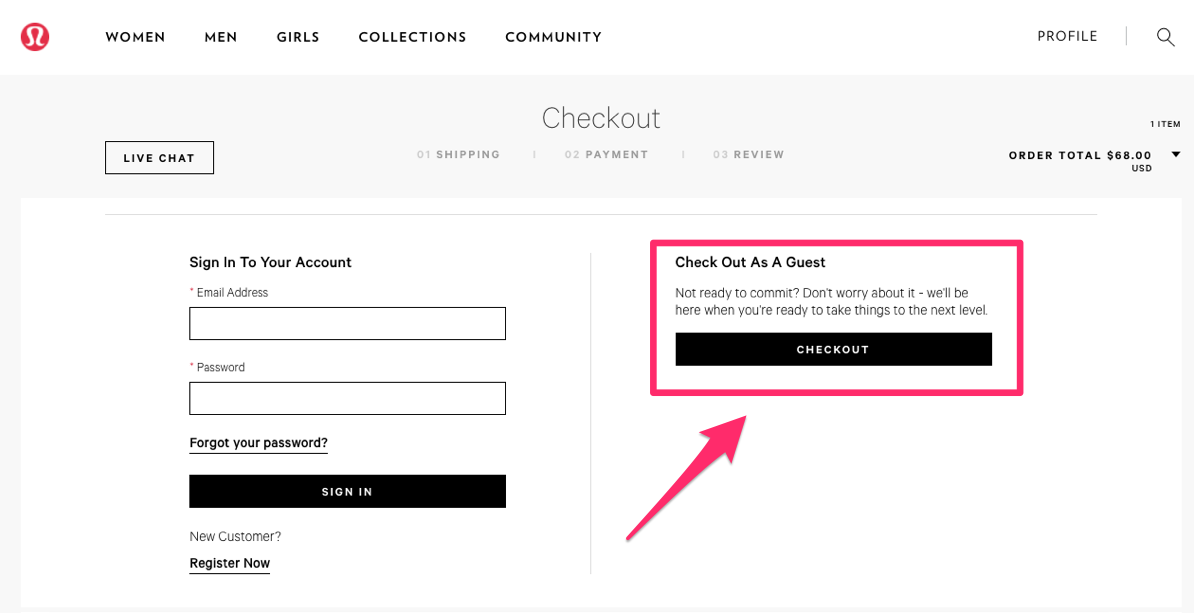
That’s why you need to offer a guest checkout option instead of forcing visitors to create a profile. That said, you can still encourage them to create a profile.

Check out this example from Lululemon to see what I’m talking about:

image5 3

Once items are added to a shopping cart, users can finalize their transaction through the guest checkout option.

But that doesn’t mean Lululemon is done trying to encourage people to create a profile.

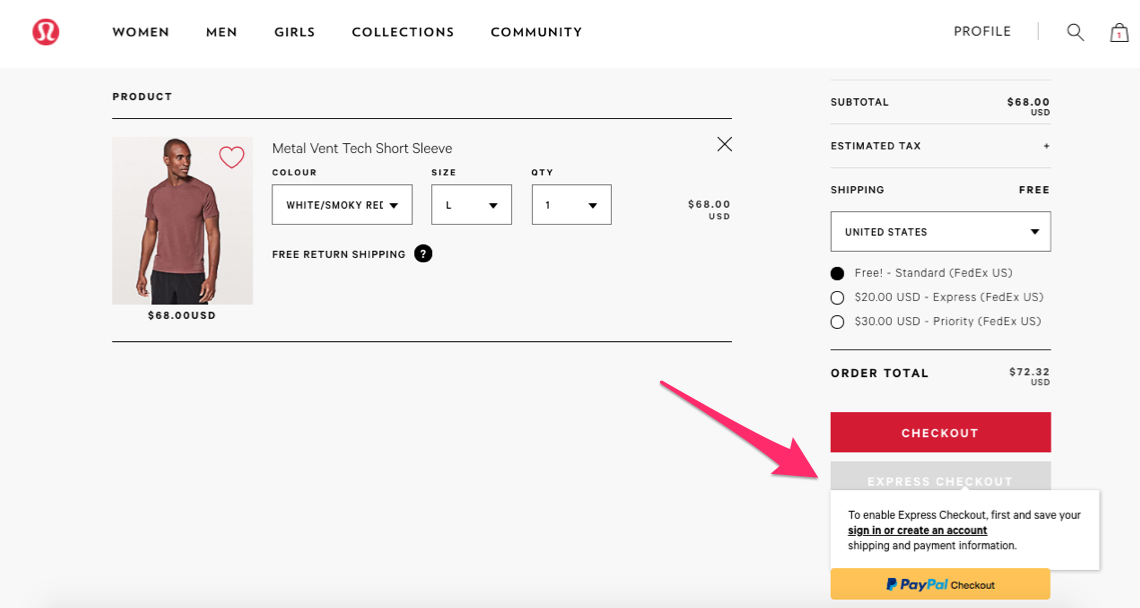
When the order is being reviewed, guests can see an express checkout button, but they can’t use it.

image4 3

This option is reserved for customers who set up profiles.

They can go through the checkout process even faster since all their information is saved in their accounts. Subtle features like this encourage profile sign ups without being annoying or putting too much pressure on the customer.

7. Send shopping cart abandonment emails

Once a user sets up their profile, you can tell when they add something to their shopping cart without buying it. Don’t ignore this.

You’re missing out on money.

Often times, they were just a click or two away from completing the transaction. Clearly, they were interested in the product enough to add it to their cart.

Sending an email reminding the shopper about the item can be just enough to finalize the sale.

8. Prioritize SEO

Not everyone who wants what you’re selling will navigate straight to your website.

In fact, research shows that 46% of consumers start the buying process through a search engine, such as Google.

If your ecommerce site isn’t one of the top results, they’ll buy from one of your competitors instead. That’s why it’s so important for you to focus your efforts on search engine optimization.

Do everything in your power to reach the top of Google rankings based on searches related to whatever your brand is selling.

9. Write blog posts on a regular basis

How often will the same person visit your ecommerce website?

Chances are, they’re not buying something every day. They probably won’t buy something even once a week. Only your top customers might shop once per month.

If people aren’t on your website, they obviously can’t spend any money.

But running a blog in addition to your ecommerce site is a great way to build a strong following. Now people have a reason to check out your site on a daily or weekly basis.

Once they’re on the site, they’ll be more likely to buy something.

10. Build an email subscriber list

To have a successful ecommerce site, you need to have lots of visitors ready to buy. But how are you planning on driving traffic to your site?

Building an ecommerce email list is one of your best options. Once you have a subscriber’s email address, you can contact them with special offers and promotions to entice sales.

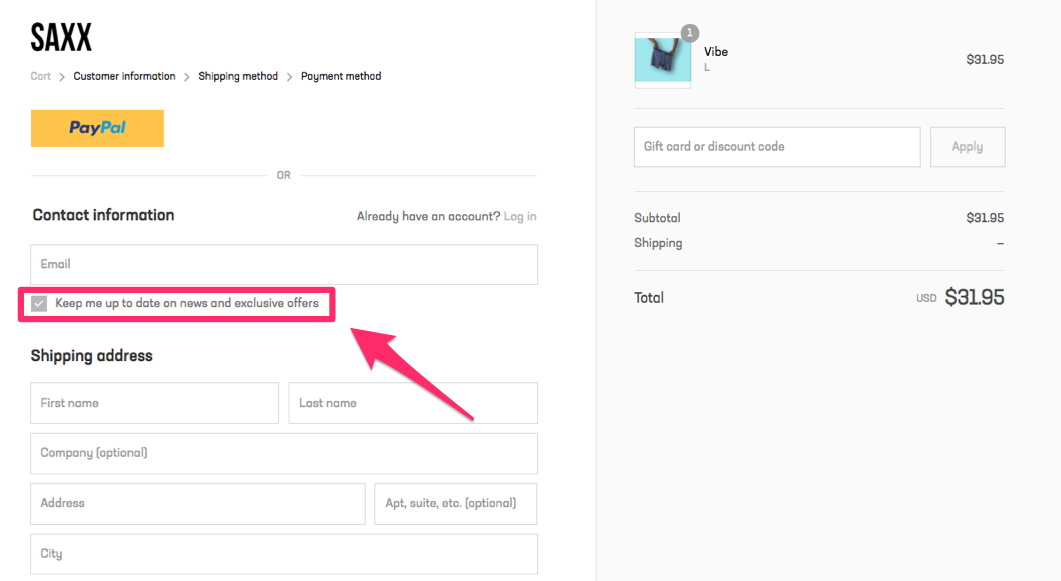
A great way to add subscribers is to collect email addresses during the checkout process. Here’s an example of this from SAXX:

image3 3

By default, this box is already checked off. Shoppers will have to deselect this option if they don’t want to be added to the subscriber list.

Once people are added to your list, it’s the perfect opportunity for you to send them personalized offers to drive traffic to your website and increase sales.

You can even offer an incentive for shoppers to sign up for emails, such as a discount off their next purchase.

11. Accept as many payment options as possible

You can’t assume everyone has a Visa or MasterCard.

Even if they do, that doesn’t mean it’s their preferred payment option. One of those cards may be maxed out, or they could have better membership benefits on another card.

Even if other credit card companies charge higher merchant transaction fees, you still need to take other cards like Discover and American Express.

Your ecommerce site also needs to accept alternative payment options such as PayPal and Apple Pay.

12. Write informative product descriptions

You can’t sell something with just a name. Each product on your website needs to have an informative description.

But make sure you avoid large blocks of text. Keep these descriptions short and to the point.

Explain how the product works by highlighting the key benefits. You don’t need to explain the entire history of the product or how it was made. That won’t drive sales.

You can even use bullet points to make it easy for consumers to scan through the text and read the description.

13. Get rid of ads

Some of you may be using your ecommerce site as a platform to sell advertisement space to other brands. Don’t do it. You’re making a big mistake if you do.

Sure, you may get some additional income. But it’s not worth turning away your own customers.

Sidebar ads and popups can look like spam. A visitor may be afraid to click through your site for the fear that they’ll be redirected somewhere else that’s untrustworthy.

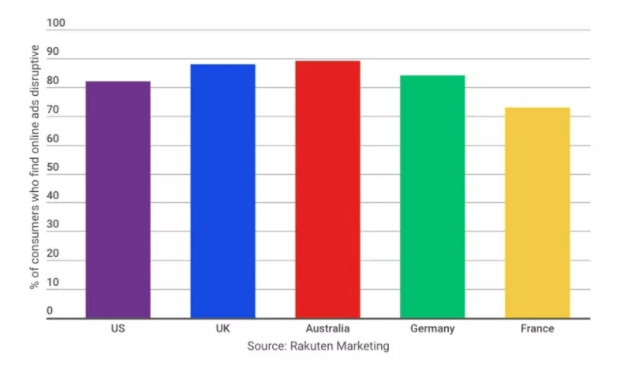
Take a look at how consumers throughout the world feel about advertisements on websites:

image2 3

As you can see, 82% of consumers in the United States say that online ads are disruptive to their shopping experience.

Remove any ads you have, and leave it as blank space. This will help you eliminate the clutter in your design—the point I discussed earlier.

14. Provide easily accessible customer service

Not all of the transactions on your ecommerce site will go smoothly.

Customers will have questions and problems. This is inevitable.

When people are experiencing an issue, such as finding a product or troubleshooting an item they have previously purchased, you want to make sure they can get help as soon as possible.

That’s why you need to have readily available customer service support through various options such as:

  • phone
  • email
  • live chat

Now customers can contact your brand based on their preferred method of communication. In addition to your customer service being easily accessible, it also needs to be friendly.

Don’t keep customers on hold. Make sure your staff are trained to resolve issues quickly and efficiently.

15. Run tests and analyze the results

How do you know if your ecommerce site is set up for the highest possible conversions?

You don’t.

But if you run A/B tests on a regular basis, you’ll have a much better understanding.

Now you can adjust the CTA placement, its phrasing, or button color. Determine which landing pages are driving the most sales.

Based on the results of your tests, you can make the necessary adjustments, increasing the chances of your success.

16. Go mobile

Your ecommerce site needs to be optimized for mobile devices.

That’s because in the last six months, 62% of people who owned a smartphone used their devices to complete online purchases.

You can’t afford to exclude mobile shoppers. If you want to take your mobile strategy to the next level, you may even want to consider building an app for your ecommerce business.

This is the ultimate way to personalize the consumer shopping experience. Plus, you can save user information on file, such as their payment options and shipping address.

Now they can check out and complete each purchase in just a few clicks as opposed to having to enter their credit card for every transaction.

17. Offer free shipping

It’s simple: don’t charge your customers for shipping.

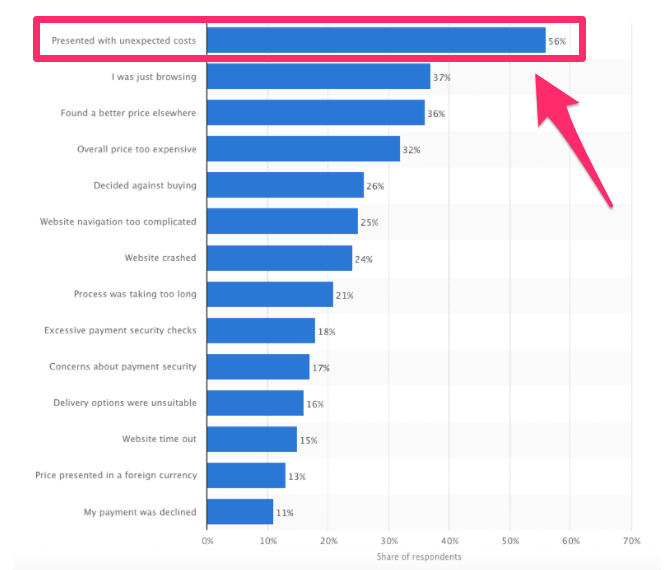
That’s because unexpected costs are the top reason for shopping cart abandonment.

image7 3

Put yourself in the shoes of a consumer.

They see a price listed on one page of your website, but at checkout, they see additional charges. Sure, they can expect to pay taxes, but shipping too?

These added costs are driving people away. Increase the prices of your products to cover any shipping costs incurred by you as opposed to charging for shipping separately.

18. Partner with brand influencers

Establishing credibility is one of the best ways to drive sales and have a successful ecommerce website.

Having a celebrity or someone with a strong social following endorse your site will make you seem more legitimate. This marketing tactic won’t be free, but it can definitely yield a high ROI.

Just make sure you’re working with someone related to your industry.

If you’re selling skateboards and related products, having an influencer who has never skateboarded won’t have much of an impact on your sales.

19. Display high quality product images

Having an ecommerce shop means customers don’t get to touch and feel the products the same way they can in a physical store.

They rely on pictures to give them a sense of what they’re buying.

That’s why you need to take multiple pictures from every angle of each product you’re selling. I know this may seem tedious, but it’s necessary.

Zoom in and highlight all the top features and benefits.

20. Give video demonstrations

Sometimes, images aren’t enough.

If you’re selling something requiring a demonstration, add a video.

According to Forbes, 90% of consumers say videos help them make a decision about purchasing a product.

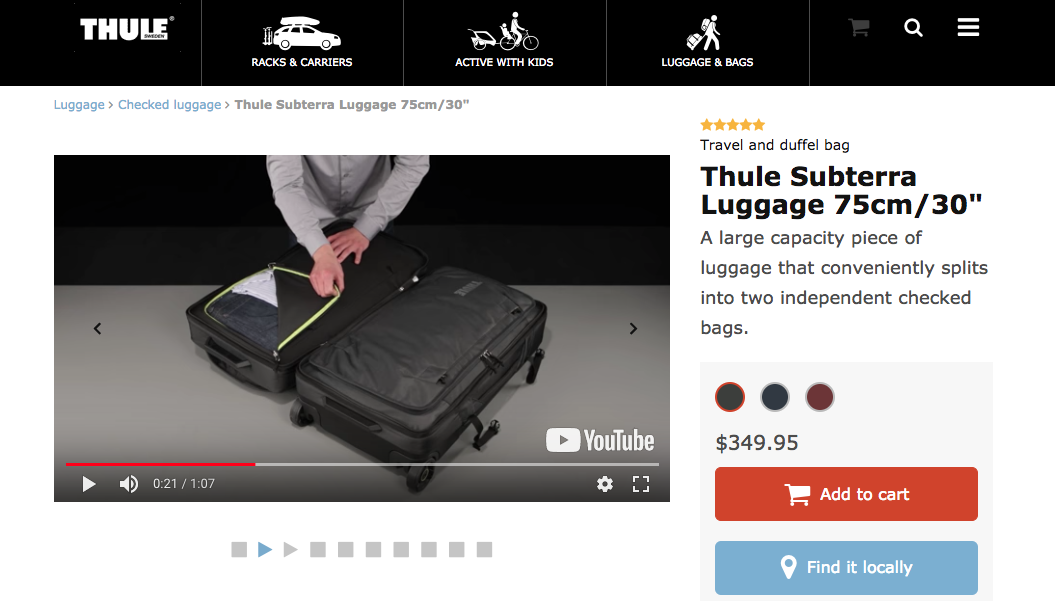
That must be why Thule implemented this strategy on its website:

image8 2

In addition to its high quality photos and product descriptions, the site also has video demonstrations for the majority of items they sell.

This added information makes it easy for prospective customers to learn how each product works.

21. Feature customer reviews and testimonials

Testimonials and reviews are another way to add credibility to your products and brand.

It’s important that you include these on your ecommerce site.

After a customer buys something, send them a follow-up email asking them to review the item they bought. Just make sure you give them enough time to use it before you ask for their feedback.

I realize this can be scary for some of you. Not everyone will be happy with your products, and the idea of negative comments being publically displayed can be frightening to some brands.

But that’s OK. Don’t let a few bad reviews discourage you. Look on the bright side of it.

This will show shoppers the reviews and testimonials on your site are legitimate and trustworthy. A couple of negative remarks can make your positive reviews appear that much more powerful.

Conclusion

Running a successful ecommerce website is not an easy task.

Fortunately, you can do many things to improve your chances of driving sales and keeping your customers coming back for more.

Don’t let this list of best practices intimidate you. I don’t expect you to implement all 21 of these overnight.

That said, you should start to identify changes that need to be made and prioritize the ones you think are the most important.

What elements of your ecommerce website need to be adjusted to improve your conversions rates and drive more sales?


from Quick Sprout https://ift.tt/2GwQKN0

Wednesday, May 16, 2018

How to Get More Likes on Facebook Without Paying for Followers

Establishing a strong social media presence is crucial for brand survival in this day and age.

No matter what type of business you have, you need to focus on your Facebook advertising strategy.

Don’t get me wrong. Other social platforms, such as Twitter, Instagram, Snapchat, and YouTube, are all important as well. But a solid social media foundation starts with Facebook.

It’s tough to ignore the fact that Facebook has 2.2 billion active monthly users. Just based on this alone, it’s inevitable that your target market is active on this platform.

But setting up a Facebook business page and posting content isn’t enough to be successful. If people don’t like your page, nobody will see your promotions and what you’re offering.

There is a common misconception that getting people to follow you on Facebook is a costly investment.

Just because some brands are spending money on Facebook ads doesn’t mean you need to. In reality, you don’t need to spend anything to get consumers to like your Facebook page.

Don’t believe me? Well, keep reading to find out how. I’ll give you the top tips and best practices to get more likes on Facebook without spending money.

Create shareable content

Unless you are a brand new company that just created a Facebook page, I’m assuming you’re not starting from zero likes. One of the first things you should do is take advantage of the people who already like your page.

Get these people to expose your posts to their own friends. The easiest way to do this is by posting content that’s highly shareable.

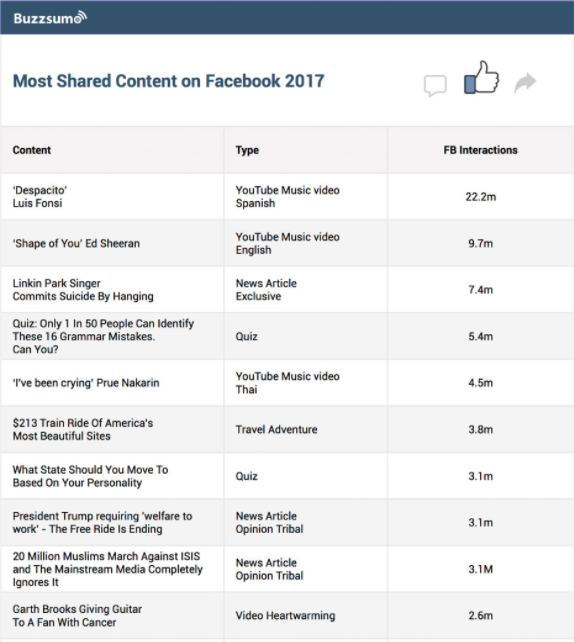
According to Buzzsumo, these are the top ten most shared posts of 2017:

image7 4

As you can see, four of the top ten posts were videos. More specifically, three of these four were music videos.

I realize it wouldn’t be reasonable for most of you to create music videos. And posting a music video may not be relevant to your brand image. But that doesn’t mean you should give up.

Quizzes and news articles also had high share rates on this list.

Sometimes you don’t even need to get creative. Simply asking users to share your content may be enough.

Otherwise, you’ll need to put your best foot forward to produce high quality content that’s unique and intriguing to your audience.

Did you just come up with new groundbreaking research? Can you produce a video that will easily go viral? These types of things can make your content stand out.

Anything shocking, controversial, or newsworthy can spark a discussion and cause people to share your posts.

Once your content is shared, these posts will be seen by the friends of those who shared it.

But now, there is an increased chance that more people will like your page so they can see this type of content on a regular basis moving forward.

Timing is everything

Think about how often you post on Facebook.

Is it once per day? Once a week? Only once a month?

You also need to analyze the time of day you’re posting on Facebook. All of this matters when it comes to increasing engagement and getting more likes.

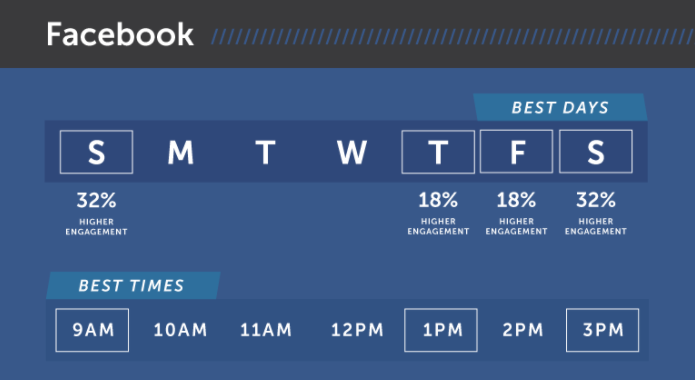
Research shows that these are the best days and times to post content on Facebook:

image2 4

Based on this data, you’ll get higher engagements later in the week and on the weekends. If you think about it, this makes sense.

People have jobs and are usually busier during the week. But as the weekend nears, they may be getting a little bit antsy and slack off if they are ahead of schedule.

So they can spend more time on Facebook. People are also happier on the weekends so they are more inclined to like, share, and comment on your posts.

You also need to consider who likes your Facebook page. For example, if 90% of your followers are from the United States, posting at 3 AM EST isn’t going to yield high engagement rates.

That’s when you can take advantage of my favorite time-saving social media marketing tools.

Use these automation tools to schedule your Facebook posts at the most optimal times so you won’t have to do it manually each day.

Your posting schedule also needs to remain consistent. Stick to your strategy. Don’t post regularly for a month or so and then go silent.

But you don’t want to spam your followers and post too frequently either.  Research shows 46% of people will unfollow a brand on social media if it posts too often. But 18% will actually unfollow brands if it doesn’t post enough.

Find that sweet spot between these two extremes.

Keep your posts short

Nobody is going to read massive blocks of text on social media.

There is just too much for them to see from their friends and family. Reading long posts from brand pages won’t be at the top of their priority lists.

Social media platforms such as Facebook are designed for users to scroll through content quickly.

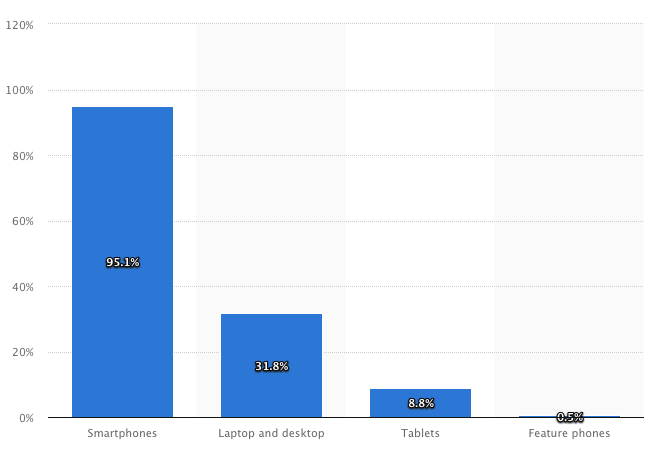
You also need to consider how many Facebook users are accessing content from their mobile devices:

image1 4

Paragraphs on your computer screen will appear even longer on mobile devices. Plus, long blocks of text are difficult to read.

If you’re currently posting long content, it may be the reason why you’re not getting enough likes.

How long should your posts be? Research was conducted on five of the most popular Facebook pages to analyze the length of their content:

  • Fox News
  • NBC News
  • Huffington Post
  • BBC News
  • BuzzFeed

The researchers found that 33% of the posts in this study consisted of ten or fewer words. A good rule of thumb is that shorter is always better.

If people see your posts aren’t long, they will be less hesitant to like your page.

Encourage comments (and respond to them)

Getting Facebook users to comment on your posts is a great way to gain exposure for your page. The more exposure you get, the more likes it will lead to.

That’s because friends of those who comment, even if they aren’t following your page, will see these remarks. The post and the comments will appear on their timelines.

Now that other people can see your posts, you might get more likes.

Plus, if users see you respond to other people, they will want to engage with your page even more. There are a bunch of different reasons why you could respond to a comment:

  • answer a user question
  • thank someone for positive feedback
  • acknowledge a different opinion

Not everyone will have something nice to say or agree with you all the time.

That’s perfectly OK. You can still respond to those comments. Just make sure you keep things professional at all times and stay on brand.

You don’t want to get into a back and forth argument for the entire world to see. That said, there’s nothing wrong with a little bit of a disagreement as long it’s done respectfully. So tread carefully when approaching this.

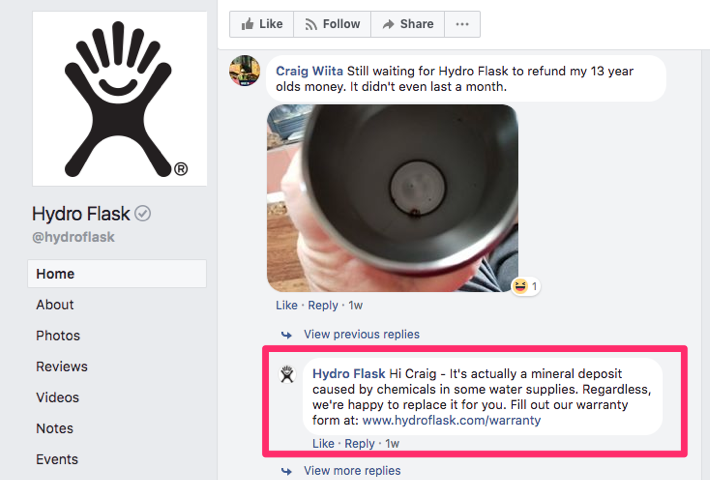
Take a look at how Hydroflask used the comments section to respond to a customer complaint:

image6 4

It’s important you respond to comments in a timely fashion.

We know 80% of consumers expect a brand to reply to their social media comment within 24 hours. Waiting too long to respond could have an adverse effect on your social media marketing strategy.

Comment on other pages

Let’s continue talking about comments.

To help your Facebook page gain exposure, you can comment on other pages as well.

Find posts from pages within your industry. Comment on their content to spark a conversation and facilitate a discussion.

I’m not saying you need to go directly to your competitor’s Facebook page to do this, although I do recommend using tools to monitor your competition.

But in this instance, it’s better to find alternative pages to comment on. For example, let’s say your brand sells athletic equipment.

Rather than going to another sportswear company Facebook page, you can comment on pages for gyms and fitness centers. Do you see the difference?

Just make sure you’re not spamming other posts. Your comments should be genuine instead of just links to products on your ecommerce site.

Properly executing this tactic can draw attention to your page and lead to more likes.

Share authentic images and videos

While you might be clever with words, you should not post text only.

Include pictures and video content as well. Why? These types of posts generate more engagement.

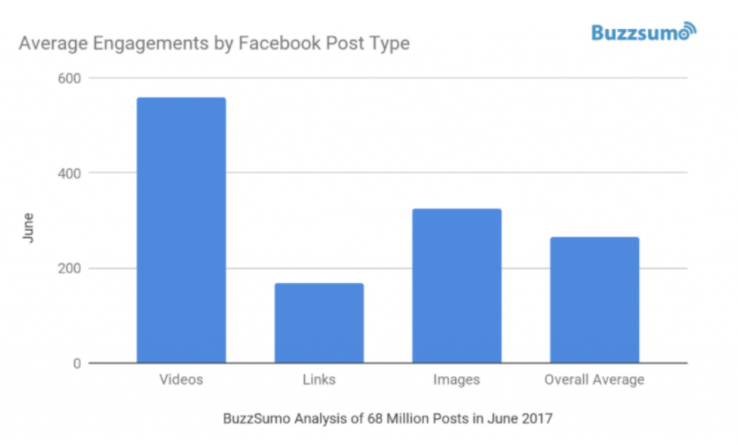
Take a look at the engagement rates of videos and images compared to links on Facebook:

image8 3

Adding photos and videos to your page will get more likes, comments, and shares.

As a result, more people will see these, and your page will be exposed to a wider audience. Now you have a better chance of new users liking your business page.

Create an effective profile picture and cover photo

This connects to my last point about sharing the right pictures.

The most important images on your page are the ones that people can see at all times. They are also the first things that get seen when someone navigates to your page.

That’s why it’s so important that you learn how to create an engaging cover photo.

Don’t just pick something random. Your logo may be a good idea, but go deeper than that. Find something that really speaks to your audience and reflects your marketing campaign.

Keep it simple. You don’t want to have a cover photo that’s confusing. It should be bold and have a clear point of focus.

It’s also important for you to review the Facebook cover photo guidelines. You don’t want to upload anything that’s in violation of Facebook’s policies.

Here’s something else to consider. You shouldn’t just set and forget your profile picture and cover photo.

Mix it up. Change it based on the season or a promotion you’re running.

Changing these images will show people that you are always updating your page. This gives them more of a reason to like your profile.

Offer discounts and promotions

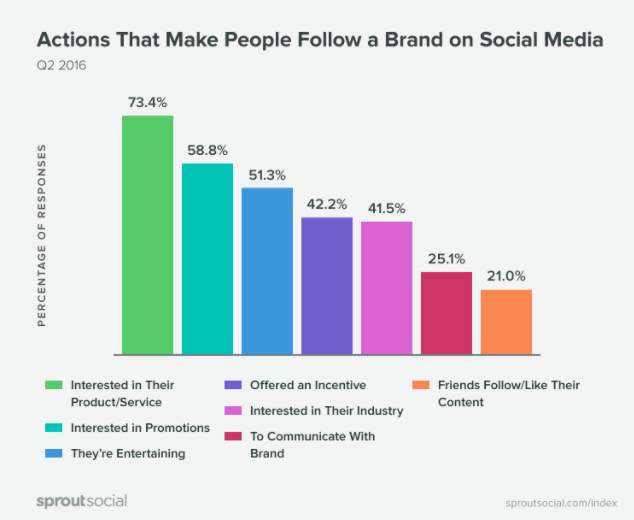
Why do people follow brands on Facebook?

Aside from being interested in their products and services, people followed brands because they were interested in receiving promotions:

image3 4

If you post exclusive promotional offers and discounts on your Facebook page, you will give people more reasons to follow you.

This also relates back to my earlier discussion about creating shareable content.

People may be willing to share these promotions with their friends and family, which is a great way to get even more likes on your page.

Stay relevant

You’ve got to consider the quality and timing of your posts. What is it about?

Post recent content needs to be up to date. Don’t share yesterday’s news or something that happened last week. People already heard about this somewhere else.

You need to stay up to date with pop culture, especially if it’s relevant to your business.

Just make sure you are always staying on brand.

When something happens that’s newsworthy, try to find a way to spin it and make it relevant to your company.

For example, let’s say you sell clothing. If a winter storm is heading toward a certain region of the country, you can use that to promote warm gear like hats, gloves, boots, and coats.

But avoid sensitive topics like politics, religion, and things of that nature. Discussing those subjects could end up hurting your brand’s image.

Run contests

Contests and promotions are a great way to create higher engagement with your Facebook audience.

Running a contest that encourages user-generated content will expose your page to a wide audience. As a result, you’ll get more likes on your page.

Caption contests are a great way for you to get more comments on each post.

But if you can get users to post pictures and videos to their own timelines and tag your brand, it will be even better for your brand exposure campaigns.

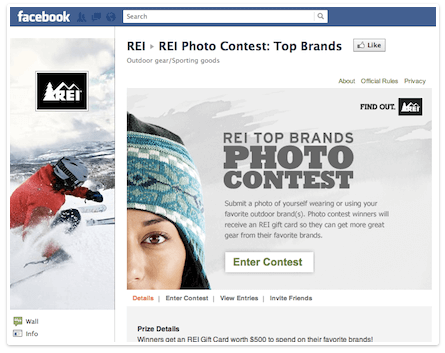
Here is a great example of a contest run by REI on its Facebook page:

image5 4

It’s smart because it encourages users to share photos wearing gear purchased from the company.

Creating more brand awareness on Facebook will help the company get more likes on its page.

Take advantage of Facebook Live

Go live.

Broadcasting live videos on Facebook is one of the best ways to engage with your audience.

There are endless options for you to consider with your live stream. It’s a great opportunity for you to give a product demonstration. You may also consider giving exclusive tours of your facility.

Use your live broadcast to preview new products that are in development. Ask customers for their feedback to make them feel as if they are part of the creation process.

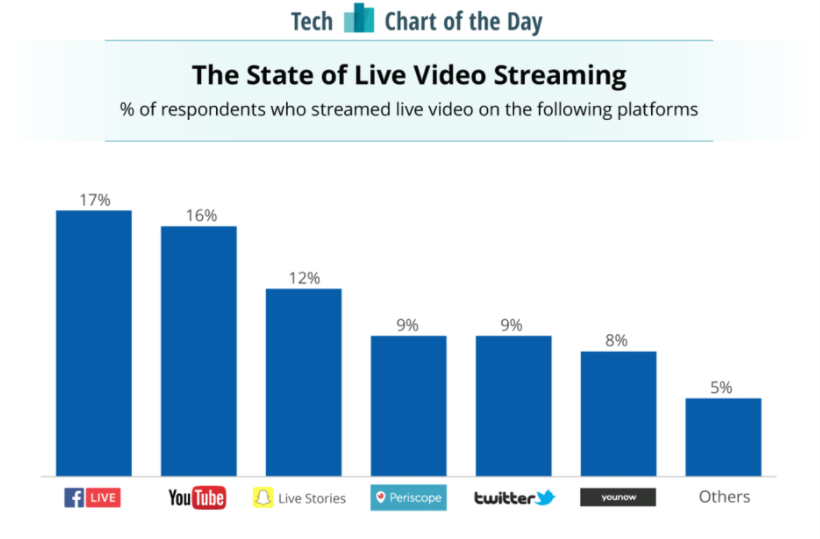
Facebook isn’t the only social media platform with a live video option, but it’s the most popular.

image4 4

You can use this channel as an alternative method to run contests and promotions, which we previously discussed.

It’s important that you stay authentic and true to yourself. Don’t try to become an actor or be someone who you aren’t.

If you’re funny, tell jokes. Be entertaining.

If you can offer entertainment to Facebook users, they’ll tell their friends about it. The more people tune into your live stream, the more likes your page will get.

Leverage your distribution channels

So far everything we’ve discussed involves how to get people to like your page directly from within the Facebook platform.

But that’s not the only way to do it.

You have other content distribution channels to take advantage of.

One of the first places you should look to is your email subscriber list. I bet the people who signed up to receive email promotions from you also have an active Facebook page. Get them to like yours.

Be direct. Include a link in your promotional emails inviting people to like your Facebook page: “like us on Facebook.”

You can have a similar button on your website. Include a link to your Facebook page in the description of your YouTube videos.

Use other social media channels to your advantage as well to drive more traffic to your Facebook page.

Conclusion

Before you can master your Facebook marketing campaigns, you need to make sure people like your page.

Getting more likes needs to be a consistent part of your social media branding strategy.

Start by producing content that’s highly shareable. Then, make sure you post it at the right time to maximize your reach.

Short posts have the highest engagement rates.

Encourage users to comment on your posts. Reply to these comments. You can even comment on other pages to facilitate a discussion and drive traffic to your page.

Add images and videos to your page. Focus on a strong profile picture and cover photo.

Your posts need to be short and relevant. Offer discounts and promotions to your Facebook fans. Run contests that produce user-generated content.

Broadcast live videos. Promote your Facebook page on all your distribution channels.

Follow the advice in this guide, and you’ll be on your way to tons of new Facebook likes in no time.

How is your company encouraging more users to like your Facebook page?


from Quick Sprout https://ift.tt/2Ip0tqp

Tuesday, May 15, 2018

Design Pickle Review: An In-Depth Look at Unlimited Outsourced Graphic Design

What do you do if you want a nice looking blog header image?  What do you do if you want an info-graphic?  What do you do if you if you want: A new logo A physical product design graphics for…

The post Design Pickle Review: An In-Depth Look at Unlimited Outsourced Graphic Design appeared first on Niche Pursuits.


from Niche Pursuits https://ift.tt/2jWcIjQ

Monday, May 14, 2018

How to Build Your First Email List From Scratch

Contrary to popular belief, email marketing is not dead.

Sure, there are newer content marketing strategies out there today that may seem more appealing. But if you want your business to thrive, you’ve got to have a core foundation for your strategy.

Stick to the basics. If you’ve recently launched a startup company, one of the first things you should do is build an active email subscriber list.

It’s one of the best ways to get people excited about and engaged with your brand. You’ll use this list to stay in contact with your customers on a regular basis.

Ultimately, your email subscriber list will help you increase engagement, generate leads, and drive conversions.

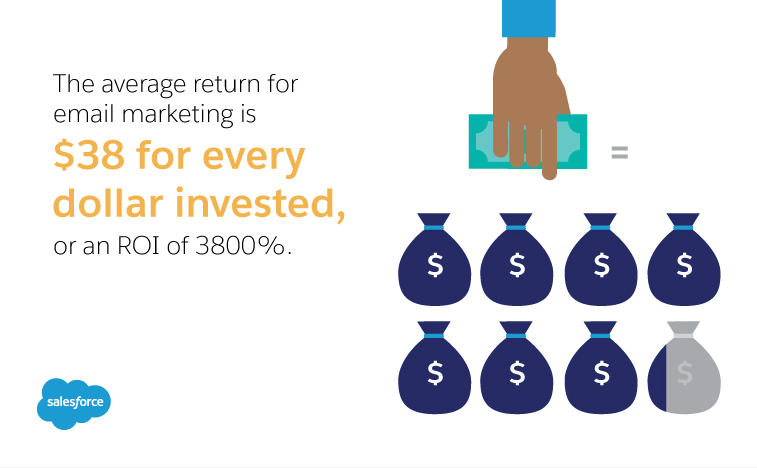
What’s even more appealing about email marketing is how profitable it can be. In fact, the average return on investment for email marketing campaigns is a whopping 3,800%:

image7 1

If you have been in business for a while but still don’t have an active list of subscribers, this guide is relevant to you as well. It’s not too late for you to get started with your first list.

You may be a little bit behind right now, but if you want to catch up to your competitors, start focusing on your email marketing strategy as soon as possible.

That said, starting from zero can be daunting. It feels as if you’ve got a long climb ahead of you.

Don’t worry, we’ve all been there.

Fortunately, if you follow the tips I’ve outlined in this guide, you’ll have a much easier time building your first email list from scratch.

Pick your platform

Before you proceed with anything else, you need to choose email software you’d like to use.

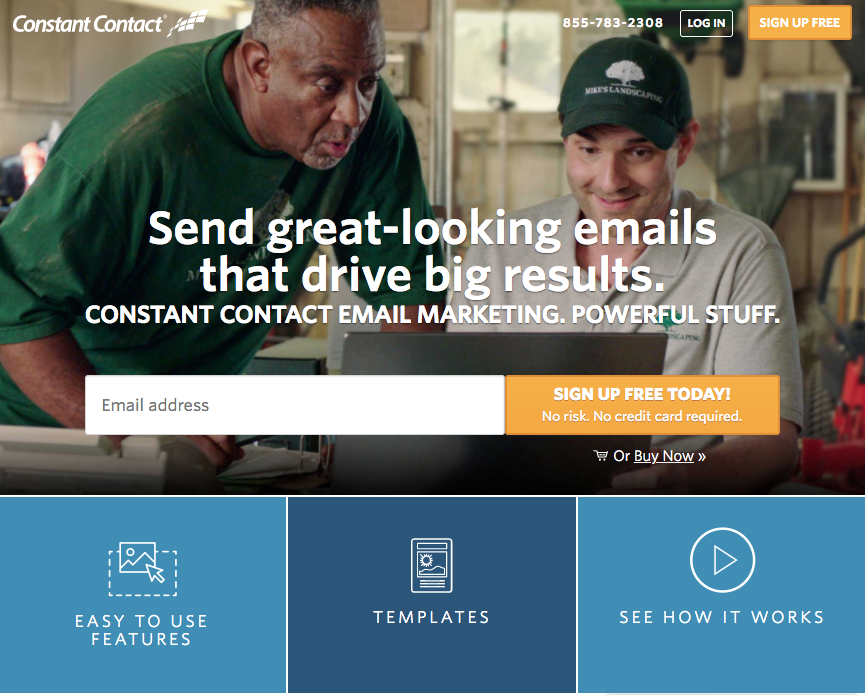
This will depend on many factors based on the wants and needs of your company, but you’ll have plenty of options to choose from. Constant Contact is a great starting point for beginners:

image6 1

But it’s not the only option. Check out similar email marketing platforms such as:

For the most part, they all will have similar features and benefits. It all depends on your preferences for the interface, pricing, and other factors.

Compare at least a few of these choices before deciding. One thing for sure: you’ll need software to help you with this task.

Email marketing platforms will make your life much easier. That’s because what you’re trying to accomplish here is much different from sending a mass email to your friends and family.

Sending promotional content to your subscribers directly from your personal email account isn’t a viable option if you want to take things seriously.

Plus, you’d spend way more time than you needed to if you did this manually. We both know how much you value your time, so take advantage of any available time-saving marketing tools.

Build your opt-in landing page

Now that you’ve selected a platform for sending emails, it’s time for you to set up a way for your website visitors to subscribe to this list.

You need to build a strong landing page specifically designed for turning web traffic into subscribers. In theory, this is simple, right?

But you’ll need to do much more than creating a landing page that says “Sign up for emails.” That alone won’t be enough to add subscribers.

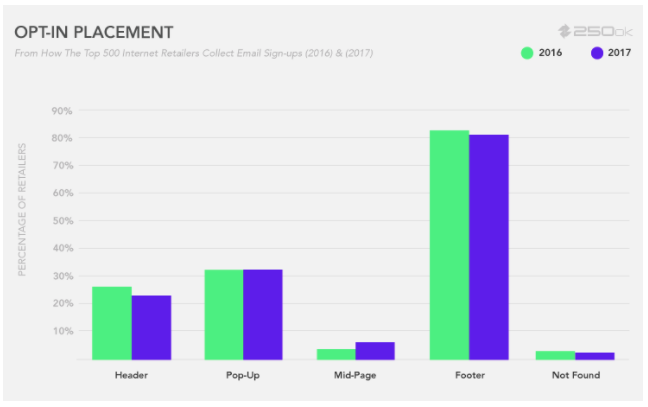
There is a science behind landing pages that drive conversions. For example, you need to take into consideration the placement of your opt-in button:

image2 1

As you can see from this data, placing the button in the footer results in a drastically higher conversion rate than placing it in other locations on the page.

I can’t emphasize enough how important it is for you to take your time when designing the layout of your opt-in landing page. Make sure it’s simple and clear, and think about other aspects such as the color scheme.

That’s because you can’t rely only on users visiting your website to navigate to this page. As I’ll discuss shortly, people will land on this page from a variety of sources and marketing channels. And that’s why you’ll need to take other factors into consideration as well.

Drive traffic to your landing page

You’ve got your email platform set up, and your landing page has been built. Now, you need to convert your website visitors into email subscribers.

The best way to do this is to get as much traffic as possible to your landing page.

You can start by increasing your SEO efforts, but that alone won’t be enough to build a huge subscriber list. You’ll need to feature this landing page on as many of your marketing channels as possible.

Share the link on your social media channels. Blog about it.

Put a CTA on the sidebar of each page on your website to increase the exposure and encourage conversions.

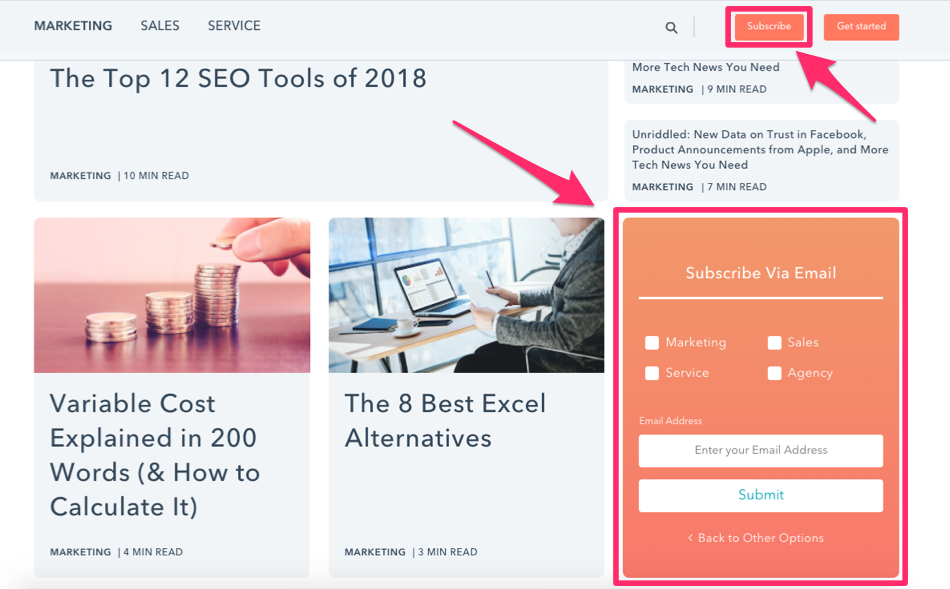
Here’s a great example of this strategy being used by HubSpot on its blog homepage:

image5 1

Notice that a subscribe option is featured on multiple locations of this page. This makes it easy for visitors to spot it.

You can employ the same strategy. Visitors will need to make only one click to get to the opt-in landing page you built.

Anything you can do to drive more people to this page will increase your subscription rates.

Give people a reason to subscribe

Your company might be great, but not everyone knows that. This is especially true if you have a startup company.

Plus, people get enough emails throughout the day. Do you really think they want to receive more?

In fact, the average person who works in an office receives 121 emails each day.

Furthermore, 49% of consumers report they receive too many marketing emails from businesses.

It’s important you recognize these statistics. That’s because website visitors and customers won’t subscribe to your email list unless you give them some type of incentive.

You’ll need to provide them with some offer or value that improves their lives or experience with your brand.

Monetary benefits and discounts are some of the best ways to entice prospective subscribers.

For example, let’s say you’ve got an ecommerce store. You can have a pop-up or promotion on your homepage offering a discount off a purchase when a customer signs up to receive emails.

I don’t want to call anyone out, so I won’t use their name. But here’s an example of something I recently saw on an ecommerce website:

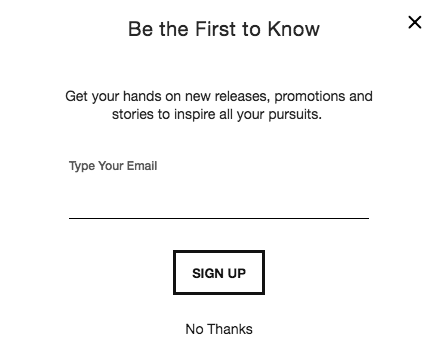
image1 1

Don’t get me wrong, they aren’t completely off the mark. But look at this pop-up, and tell me if it excites you.

Telling subscribers they will be the first to know about a new product release, promotion, or story may not be enough to get them to opt in.

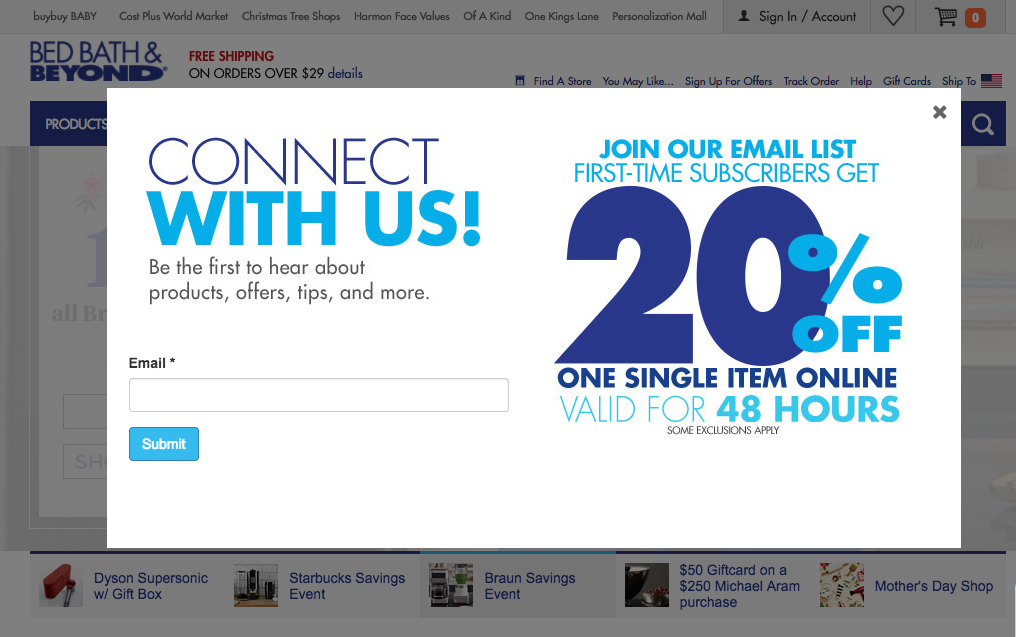
Instead, take a look at this example from Bed Bath & Beyond:

image8

Compare this to our previous example. It’s much more enticing.

Why?

That’s because Bed Bath & Beyond is offering value people can actually use. People can get excited about a 20% off discount.

They may sign up just to receive that initial discount, but if you establish a good relationship with them, they could turn into subscribers for life. We’ll discuss that in greater detail as we continue.

Segment your subscribers

Here’s something else you need to recognize and keep and mind.

Not all your subscribers are the same, and not all your subscribers will sign up for the same reasons.

The key to building a great subscriber list is identifying these differences and grouping people accordingly—in other words, segmenting.

According to a 2017 study by MailChimp, segmented email campaigns have a 14% higher open rate. What’s even more astonishing is that segmented campaigns have a 101% higher click rate.

Segmenting your subscribers will help you lower your bounce rates and unsubscribe rates as well.

How do you segment your subscribers? You have many options, but some of the most common methods include factors such as:

  • interests
  • location
  • type of message
  • email frequency

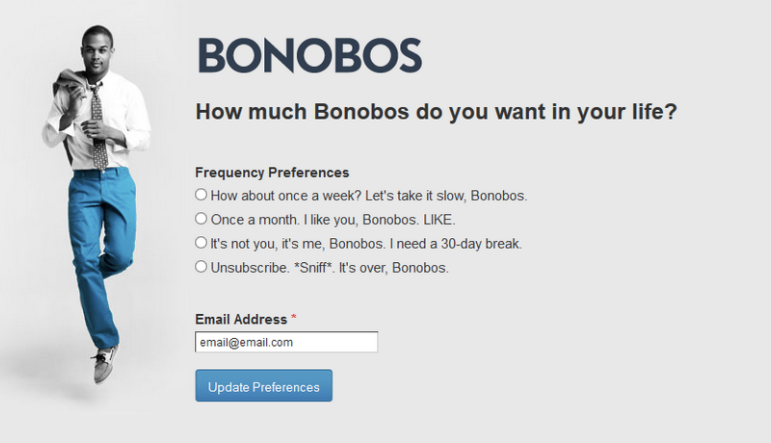
If you properly design the opt-in landing page I discussed earlier, this shouldn’t be difficult. Here’s a great example of how Bonobos uses this strategy to segment its list based on frequency:

image4 1

Now, they won’t have to worry about sending too many emails to subscribers who want to hear from them only once a month.

Giving your subscribers the option will improve their experience and ultimately increase sales in the long run.

This will also keep your list strong and active, reducing unsubscribe rates.

Encourage your subscribers to invite their friends and family

To get the most out of your subscriber list, have your subscribers work for you.

Make it as easy as possible for them to forward your content to their friends and family.

Even if you’ve got a great newsletter or promotion, it’s unlikely that most people will do this out of the kindness of their hearts. You’ll have to continue with the strategy of giving them an incentive or added value to encourage an action.

You should offer a discount to your subscribers for getting their friends or family members to join your email list as well.

Research shows that 28% of people would be more likely to make referrals if they received a reward for doing so.

The idea here is to create a snowball effect.

You want each new subscriber to get more people to join. As I said earlier, you can’t rely on people signing up only from your website. Encouraging sharing will help you get more subscribers.

Send relevant and timely content

Now that you’ve got subscribers, you don’t want to lose them.

Make sure you send promotional content to your subscribers. Recall the discussion about segmenting your subscribers, and communicate with them accordingly.

Each campaign needs to have a reason and a purpose.

Sending a message “just to say hello” is a quick way to get lots of unsubscribes. Avoid that at all costs.

You worked hard to get people to opt in, and now you’re losing them. That’s why you need to create highly relevant content for each message.

Don’t get me wrong. Unsubscribes are inevitable, and they happen to the best of us, including me.

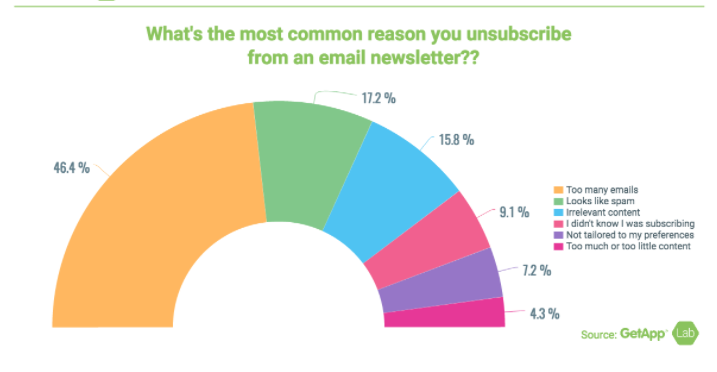
Here’s a look at the top reasons why people unsubscribe from email lists:

image3 1

Don’t spam your subscribers.

As you can see from this graphic, the most common reason for opting out of promotional emails is receiving too many emails.

Sending emails too often can annoy your subscribers. This can have an adverse effect on your company beyond losing subscribers.

Developing a negative association with your brand could cause them to stop buying as well. Just make sure all your content is relevant and sent in a timely fashion.

Keep adding subscribers

So you’ve finally reached your first 100, 1,000, or maybe even 10,000 email subscribers.

Congratulations!

It’s time to kick back, put your feet up, and relax, right? Wrong.

Growing your email list needs to be a constant priority. The sky is the limit here. There is no downside to adding more subscribers.

Depending on the platform you selected earlier, you may get charged more, monthly or annually, based on the number of people added to your list.

But the costs are marginal and worth it because of the high ROI of email marketing campaigns.

Now, you just need to use your email strategy to increase conversions and drive sales through offering great content.

Conclusion

No matter what type of business you have or what industry you’re in, you need to have an active email marketing list.

But for those of you who haven’t started this yet, building this list from scratch can feel like an overwhelming task. Just follow the guide I’ve outlined above to make your life easier.

Start by selecting a platform to use. Next, build your opt-in landing page, and find ways to increase your website traffic.

Give people a reason to subscribe. Offer value and incentives to get them to join.

Segment your subscribers so it’s easier to send them timely and highly relevant content.

Follow these tips, and you’ll be on your way to growing your email marketing list from scratch in no time.

What strategies is your brand using to add more subscribers to your first email marketing list?


from Quick Sprout https://ift.tt/2wEjxzI

Friday, May 11, 2018

How to Leverage Your Brand’s Story to Drive Sales

Everyone has a story, what’s yours?

I’m not referring to your life story, although there are times when that can be intriguing as well. Instead, I’m talking about things like how you started your business.

What was your motivation?

Sure, everyone gets into business to make money, but there has to be more to it than that. Stories are a powerful way to connect with your audience.

That’s because they can entice all different types of emotions. The key is finding a way to drive sales by guiding these emotions.

One of my favorite ways to do this is by using your brand’s story.

I know what you’re thinking. Your brand’s story isn’t that interesting or worth sharing. Or maybe you’ve got a good story, but you just don’t know how to tell it.

But if you learn how to master the art of storytelling, it can help you increase sales revenue.

Not sure how to approach this? Don’t worry. I’ll teach you how to leverage your brand’s story to make more money. Here’s what you need to know.

Your story needs to simple

For starters, it’s important for you to keep things simple.

We’re not trying to write a Martin Scorsese film here. Stay away from plot twists, mysteries, or thought-provoking endings with an open-ended interpretation.

Your story needs to have a clear beginning, middle, and end. So before you can share this story, you’ve got to take the time to figure these components out.

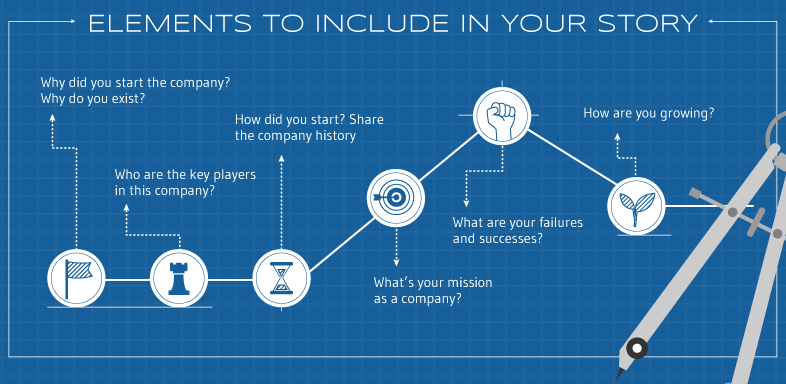
Here are some of the most common elements that should be included in your brand’s story.

image1

While you’ll want to include as much information as possible, you also need to make sure that it’s going to be easy for people to understand.

The easiest way to do this is by starting your story with some sort of problem that you’ve identified. This will be something that your audience will recognize as your reason for going into business.

Shortly after sharing the problem that your brand acknowledged, you need to talk about your solution.

Did you invent something? How did you make improvements to an already existing product?

This part of your story will help show what makes your brand different from competing companies in this market segment. So now is your chance to really shine.

Finally, the story should end with your success. Coming up with a solution is much different than finding a method that’s successful.

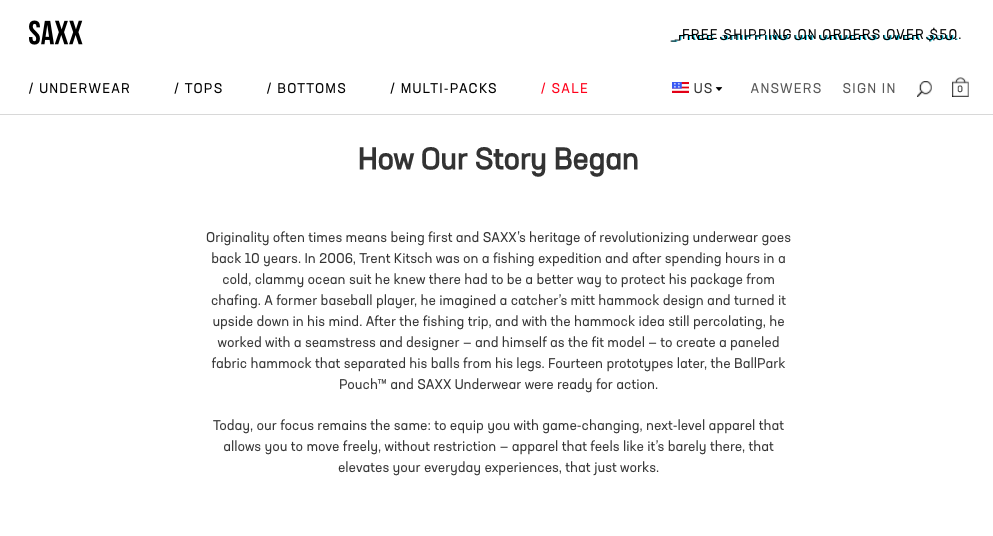
Here’s a great example from this from SAXX Underwear.

image2

SAXX manufactures and sells men’s underwear with a unique support pouch. Their story talks about how they landed on this design.

It explains how their founder was on a fishing trip and experiencing discomfort with what he was currently wearing. That’s the problem.

His solution was to create a hammock-like pouch that’s designed to keep men comfortable and dry. That’s the solution.

But he’s not quite at the success portion of the story yet. They continue explaining that it took 14 prototypes to finalize their first product. That’s the success story.

It’s also important that the ending of your story doesn’t make it sound like it’s over. You’ve got to make it clear that your business is still in operation. You’re trying to grow, prosper, and continue along the path of success.

SAXX does this well. They end the story by reinforcing that all of these years later, their focus is still the same.

So try to use this example as a template for how to tell your brand’s unique story.

Tell a story that your customers can relate to

Depending on where your company currently stands at the moment, you may not think that it’s easy for your customers to relate to.

Your company could be in a position where you are grossing hundreds of thousands of dollars annually, which the average person just can’t seem to wrap their mind around.

This is a perfect opportunity for you to refer back to where you got started. Was it difficult for you to become successful?

The struggle for success is definitely something that people can relate to. It’s something that most people deal with on a daily basis. But just make sure that you relate to our last point about keeping things simple if you’re going this route.

It’s imperative that you stick to the important details. For example, nobody cares about your negotiations with the banker as you were trying to secure a startup loan.

If you want to share a rags to riches story, you could just say something like, “We had $100 in the bank,” and it will paint a picture that’s relatable without boring your audience with minor details.

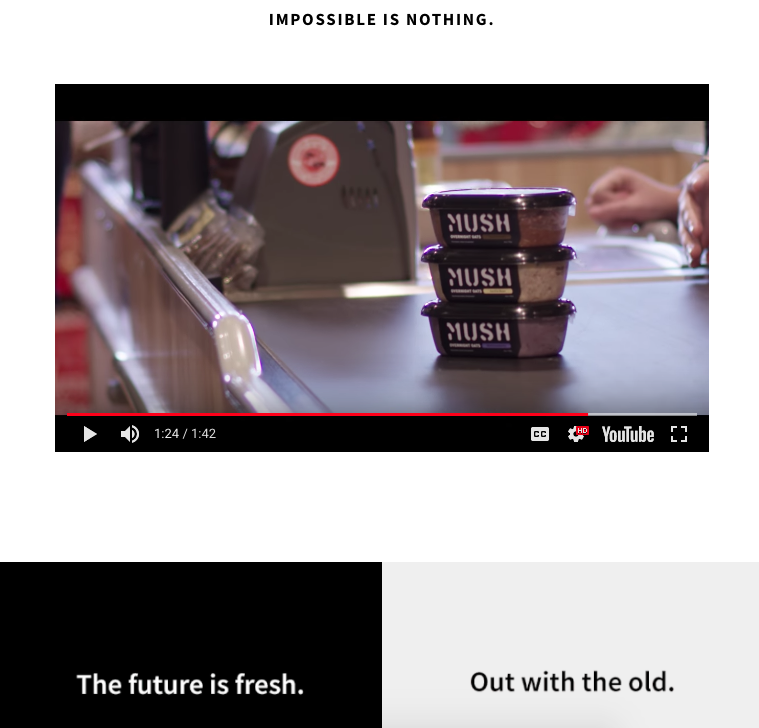
Take a look at how Mush Oatmeal shares their brand story.

image3

Rather than writing it, which is a more traditional route, they used a video to explain the motivation behind their brand. It’s a great idea because video marketing tactics increase sales.

In fact, 43% of consumers say that they want marketers to provide more video marketing content.

But in addition to being a creative way to share their journey, one of the best parts about this story from Mush is that it’s relatable.

They talk about how families walk into stores like Costco to buy big variety packs of oatmeal that contain added sugar and preservatives.

The co-founders of this brand both had a passion for health and wellness. They felt like big corporations were only motivated by making money, but Mush was motivated by providing consumers with nutrition.

That’s when they came up with the idea to provide fresh and cold oatmeal, which is different than what most people expect from a traditional hot bowl of oatmeal.

They identified a problem that people can relate to and came up with a unique solution. These are the components of a great brand story that will entice consumers to buy your products.

Relatable stories can show the human side of your company. You’re not just a brand without a face.

Show your customers that you have more in common with them than they might think, which can ultimately make them want to support you.

Establish trust and credibility

What makes you qualified to do whatever it is that you do?

Here is where your story can really help you add credibility to your brand name.

For example, let’s say that your company sells surfboards. Well, if you’ve been a professional surfer for 20 years, you’re probably qualified in this space.

So you could talk about your transition from surfing to building your own boards.

Do you have a degree in a field that’s related to your business? What did you study? Talk about some of your past jobs and experiences that made you qualified to create and run your current company.

If you can effectively answer these questions and position yourself as a credible source, then customers will be more likely to buy your products based on your differentiation from the competition.

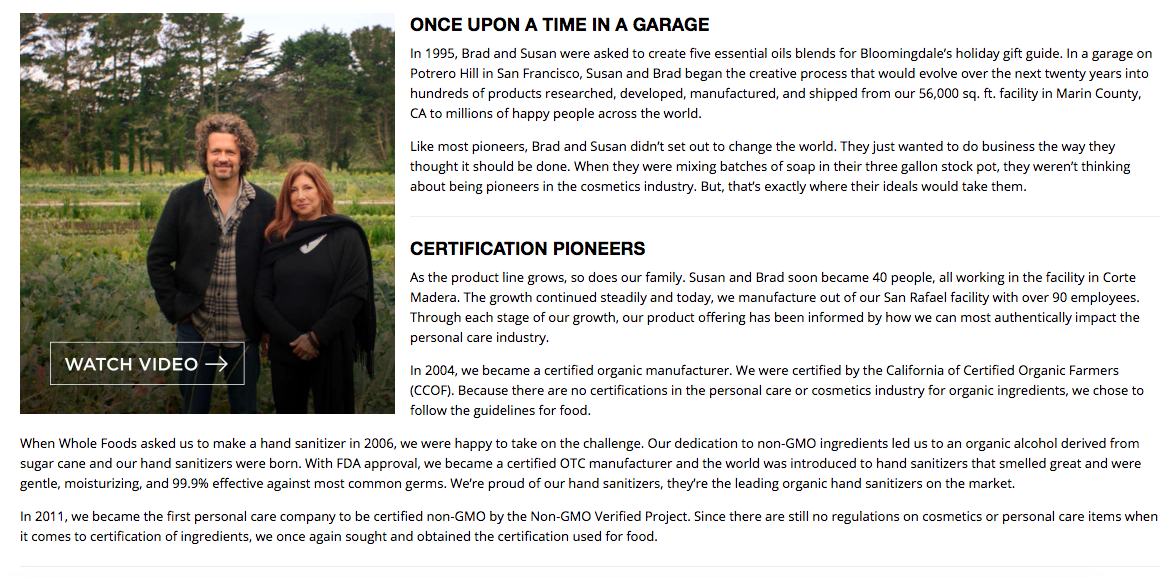
Here’s a great example of this strategy from EO Products.

image6

The story talks about their humble beginnings of making soap in a three-gallon pot in their garage. But it then turns into a tale of two pioneers in the cosmetics industry.

EO Products was tasked to create a hand sanitizer with non-GMO ingredients. So they figured out a way to use organic alcohol from sugar cane.

This brand received FDA approval as a certified OTC manufacturer of these products.

They also were the first personal care brand that was certified by the Non-GMO Verified Project.

Once their brand established trust and credibility, EO Products launched a product extension called Love Everyone. These products were designed for people and families who wanted high-quality and natural products at a budget price.

Stories like this make it enticing for consumers to buy from this brand.

Entice an emotional response

The best stories are emotional.

You may not have a story that your customers can relate to, but that doesn’t mean that you can’t get them to feel a certain type of way.

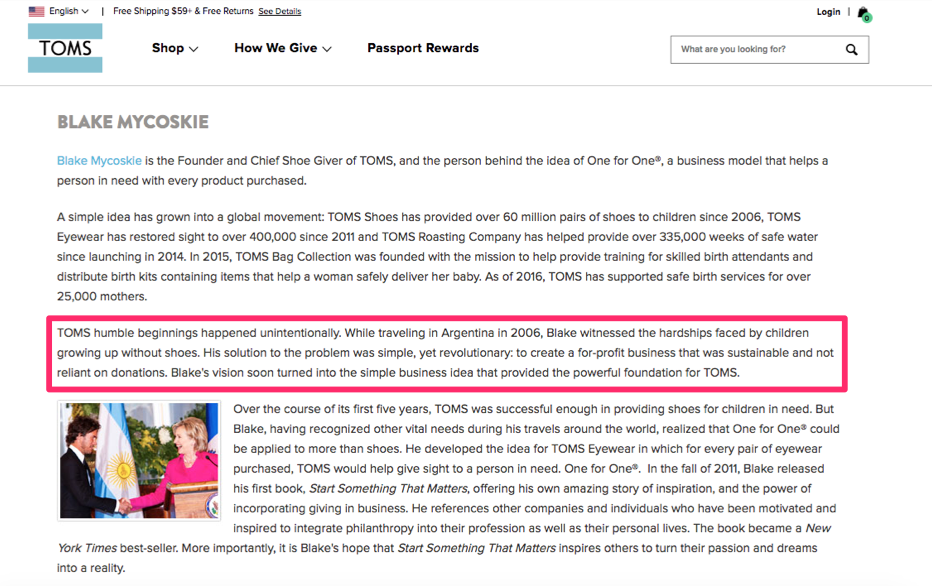
One of the best examples of this kind of brand story is used by TOMS Shoes.

image4

Their founder, Blake Mycoskie, built a brand to help people in need.

While he was traveling to Argentina, he was overwhelmed by how many children were living without shoes. This was the inspiration behind the creation of his company.

His business model is simple. For every pair of shoes purchased, another pair of shoes is donated to someone who needs help.

While prospective customers may not have a similar or relatable story, they will still be willing to buy products to help this cause based on their emotional response.

This type of story stimulates a response that drives sales. These emotions can vary based on the person.

For example, someone may feel sympathy for the people in need, while other people could feel praise for the brand that is helping. Other customers may even feel joy and self-gratitude for making a purchase, knowing that their money is going to help a greater cause.

Regardless of the reason or the emotion attached to it, you can use a similar strategy in your story to help increase your sales.

Encourage customers to tell their own story

Your story is important to your brand.

But with that said, not everyone will have the same story. Your products and services may have a unique impact on your customers.

Allow them to share it with others and create user-generated content. Stories provided by your customers can ultimately help shape and form your overall brand story.

How did your product change their lives or make things easier for them?

Your customer had a problem, and your product solved it. Let them share this story. One of the best ways to do this is by staying active on social media.

Run contests or promotions that encourage people to share their stories.

You can even share them on your website. Try to create a specific section of your site that’s dedicated to user stories.

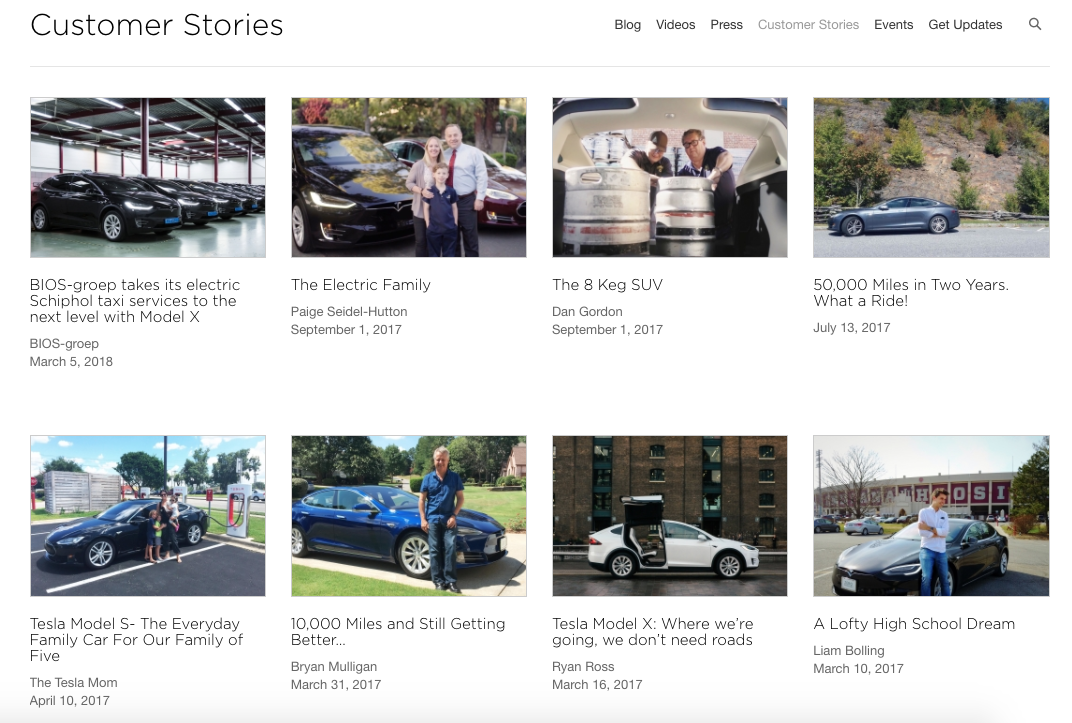
Here is a great example of how Tesla uses this strategy on their website.

image5

Tesla builds and sells electric cars, which is revolutionary in the motor vehicle industry.

The stories shared by their customers explain how these electric cars helped improve their lives. As you can see from the examples above, there is a wide range of diversity on this page.

One story explains how two guys were able to fit eight beer kegs in an SUV, while another story talks about how a mother uses her Tesla for her family of five.

Be authentic

You don’t want to appear fake or phony when you’re telling your brand’s story.

Make sure that you aren’t making things up or embellishing the truth to make yourself sound better. If you get caught in a lie, it could backfire and potentially destroy your company.

That’s definitely not something you want to go through. We just finished talking about how important it is for you to establish trust and credibility, so don’t ruin that.

But with that said, being authentic involves much more than just telling the truth.

Let your personality shine. If you’re funny, then be funny in your story.

If you were emotional when you were creating your company, then share those emotions with your audience.

Just make sure that everything you say is an accurate representation of both you and your company.

Sell your story

When a customer buys something, they should feel like they are purchasing more than just a product.

If you market your brand properly, then customers can seemingly buy a portion of your story and make it part of their own.

This may sound complicated, but it can be done. FFTOB is a perfect example of how to properly leverage this strategy.

image7

After a certain amount of time, firefighters need to retire their suits.

But rather than having those old suits go to waste, this company turns them into unique handmade bags.

People who buy these bags are purchasing more than just the brand’s story. They are buying the story of a real-life hero.

These uniforms were worn by brave men and women who risked their lives on a daily basis to keep their communities safe. The idea of turning those uniforms into bags is so creative and just hard for customers to resist.

Everywhere they go with their bags, their story goes with them.

Some of the bags even have distorted coloring on them because they were exposed to a fire. If you’ve got a story that’s this unique, you’ve got to get out there and share it with the world.

Conclusion

If you’re looking for a new way to get more sales, look no further than yourself.

Think about how your brand got started and what inspired you to go into business. It’s been a long journey and it’s worth sharing.

You’ve just gotta make sure that your story is simple and easy to follow.

Find a way for your customers to relate with your brand’s story. Use this to help you establish trust and credibility within your industry.

A great story will stimulate emotions from your audience. Use these powerful emotions to guide customers into a buying decision.

You should also encourage your customers to tell their own stories. These unique pieces of user-generated content will help shape your overall brand story.

Sell your story in addition to your products. But no matter what you do, it’s imperative that you remain authentic at all times.

Follow these tips if you want to drive sales by leveraging your brand’s unique story.

How are you using your brand’s story to establish trust and credibility with your customers?


from Quick Sprout https://ift.tt/2rzLgwj