Friday, June 8, 2018

The Ultimate B2B Marketing Guide

Your B2B marketing strategy will differ from your typical B2C approach.

Sure, you may notice some overlap between the two, but for the most part, you’ll need a new plan if you want to target other businesses.

Some of you may have companies focusing on other businesses as your primary group of customers. And some of you may be considered both B2B and B2C companies.

If that’s the case, one overlap you may see between the two strategies would be social media marketing. But the difference would be in the way you use it.

Here’s an example. You could be using Snapchat to promote your business as the B2C company. But that won’t be effective as your B2B strategy. But we’ll dive into greater detail on the social media subject later.

For our purposes, it doesn’t matter what type of company you have.

Whether B2B sales make up the totality of your revenue or only a fraction of it, you’ll be able to benefit from this guide.

I’ll explain everything you need to know about how to properly manage and approach your B2B marketing strategy.

Define your buyers

When it comes to B2B marketing, this step will differ from your typical approach to identifying your target market.

That’s because this scenario will be much more specific. You’ve got a unique product or service. Right away, you’ll need to recognize which companies can benefit from whatever you’re selling.

For example, let’s say you manufacture cleaning chemicals for commercial dry cleaners.

You may assume that any dry cleaning business in the country or your region will fall into your target market. While this may be true, that doesn’t necessarily help you define your buyer.

Take a look at this graphic that highlights some of the key differences between your B2B and B2C target audience:
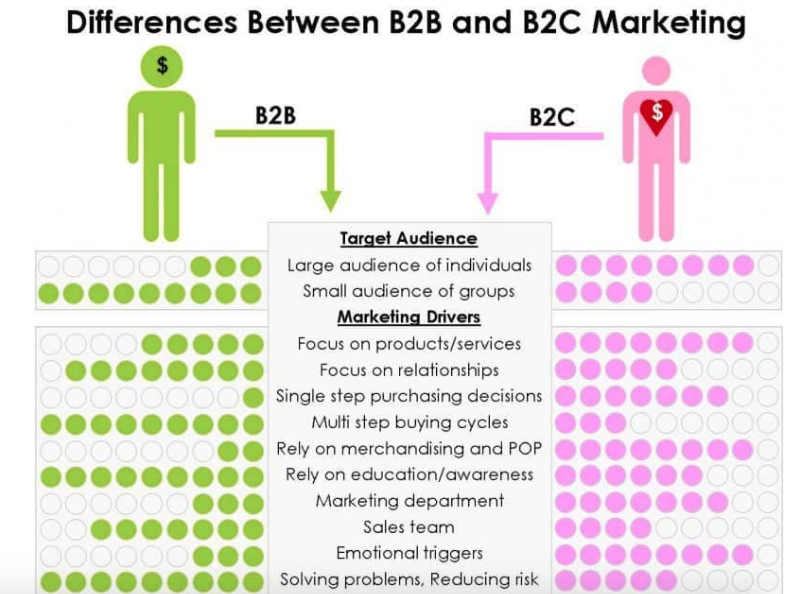
image8 11

With this information in mind, let’s continue with our dry cleaning example. Whom are you selling to? Is it the owner of the company? The production manager? Is it the person who answers the phone when you call the facility?

Recognizing who has the buying power isn’t the same as identifying your target market.

As we can see in the graphic above, you’ll be focusing your B2B efforts on a much smaller group of people. That’s why it’s helpful to develop a customer persona to boost your conversion rates. You need to realize that the customer persona will vary depending on which business you’re dealing with.

This is one of the first things you should do before going forward with your marketing strategy.

If your buyers aren’t clearly defined from the beginning, the rest of your campaigns won’t make a ton of sense.

Focus on long-term relationships

If you’re selling directly to consumer, it’s obviously important to put effort on customer retention as well. But these types of relationships are way more important for B2B companies.

Think of it like this. Let’s say you sell something simple, like desk chairs.

If a direct consumer buys a chair from you and never buys again, it won’t make or break your company. But let’s say a hotel chain decides to buy chairs for every single room in one of its new buildings.

This is a relationship you can’t afford to lose. That’s why you need to do whatever you can to go the extra mile for your B2B customers.

A B2C customer can just go online and order something from your website. But your B2B clients may require more in-person support:
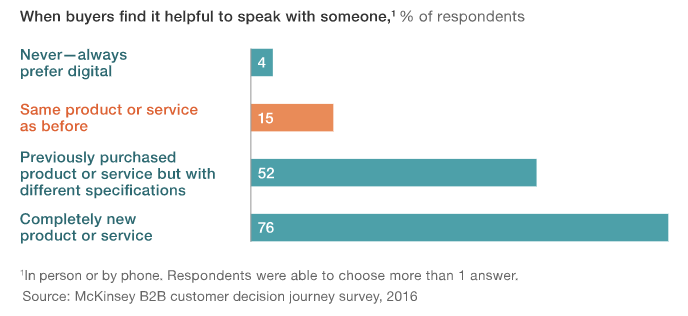
image1 12

Let’s continue with the chairs and hotel example. You’ve got a huge opportunity here to continue selling to this client in the future.

Maybe they’re going to build more hotels. Eventually, they’ll even need the chairs replaced in their existing buildings as well.

You can’t just look at the initial sale and be done with it. Always look toward the future, and try to build a long-term relationship.

Adding the personal touch of being present for a delivery of goods can go a long way when it comes to repeat business. I understand this isn’t always practical for every customer or every transaction, but do what you can if it means securing a long-term B2B client.

Prioritize satisfaction

With B2B marketing, you need to make sure the customer is always satisfied. This concept relates back to our previous point about long-term relationships.

For the most part, satisfied customers will keep coming back.

There are certain things you can do to satisfy your B2B customers. Here’s what I mean.

Let’s say you sell file cabinets for offices. You wouldn’t send a free cabinet directly to the consumer, ask them to use it for a while, and then place an order if they want to buy more.

That just doesn’t make any sense from a B2C marketing strategy. How many file cabinets could one person possibly need in their personal home or office?

They would likely take the free one, and that would be the end of it.

But for a B2B company, sending free products to focus on customer satisfaction is a much more reasonable strategy.

To enhance satisfaction, you need to focus on the customer journey process after the point of purchase:
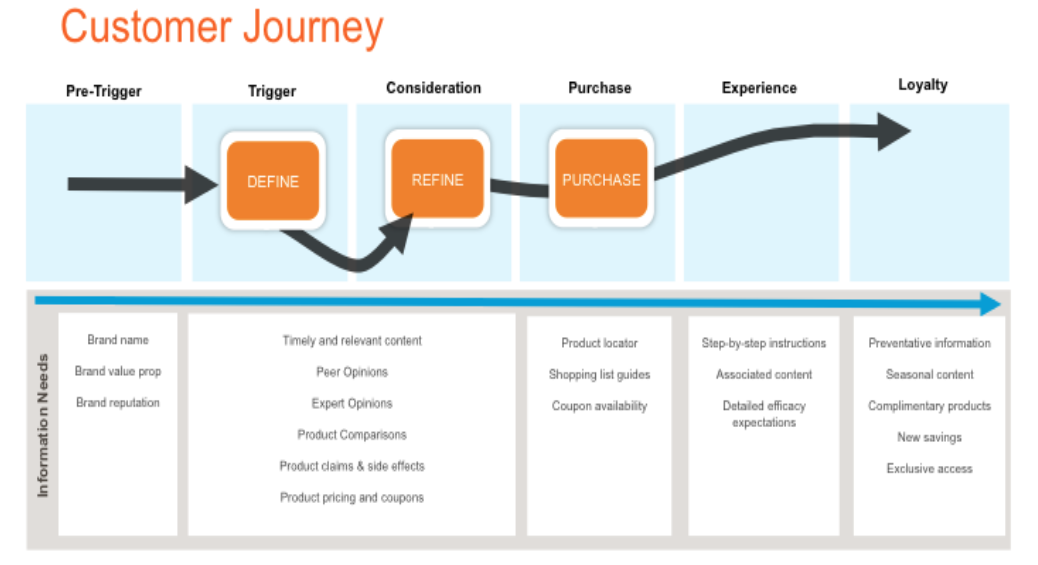
image5 12

One or two free file cabinets is nothing if that satisfied customer buys thousands of units for their commercial office space. Take their feedback into consideration as well.

If they intend to make more purchases in the long run, you can customize your production specifically for that customer.

But we’ll talk more about this subject in greater detail shortly.

Personalization matters

As I just said, under some circumstances, you might need to customize your products or services based on what the customer wants and needs.

Obviously, you’ll need to have some restrictions here. For example, if you manufacture cars and the client wants boats, you probably won’t be able to help them.

But if you manufacture 11-inch plastic bags, you should be able to manufacture a 20-inch plastic bag with the client’s logo on it to fit their needs. See the difference?

Again, this relates back to satisfaction and long-term relationship building.

Sure, you won’t be able to print that logo on any of your other products for the rest of your clients, but you’re hoping that this type of personalization will result in repeat business from that customer.

Furthermore, you should be personalizing your content to target your B2B customers. Currently, 68% of B2B marketers say they are testing personalized content and offers:
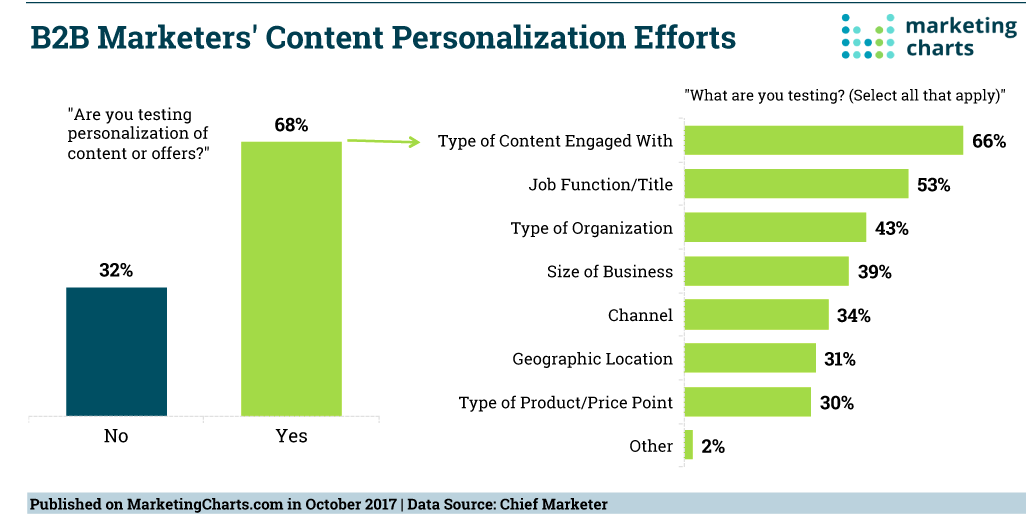
image3 12

If you’ve properly defined your buyers, which I previously discussed, you can take that personalization strategy to the next level. Here’s what I mean.

Let’s say your company makes coffee mugs and you’re selling a huge order to a business that gives them away as marketing material. All they want is their logo printed on the mugs.

While you are negotiating, you learn the company representative is an avid fisherman.

This may sound like just some small talk, but you could give him a personalized mug with his name and some kind of fisherman design on it as a gift.

While the gesture may seem corny, this added personal touch can go a long way when it comes to building a relationship with this company. When they are ready to order more goods, that representative will think twice before switching to one of your competitors.

Sell your story

Mastering the art of storytelling is crucial for both B2C and B2B businesses.

Having a great story and showcasing it on your website or as part of your value proposition can help you generate leads. But with B2B marketing, you need to position your story to help drive sales.

Tell your clients why you got into business. What’s your background? What’s your experience like?

If you’ve got years of experience in the industry you’re selling to, your clients may be more likely to buy something from you because your products will probably be made accordingly.

Not sure how to get your story out there? This is a great opportunity for you to start blogging:
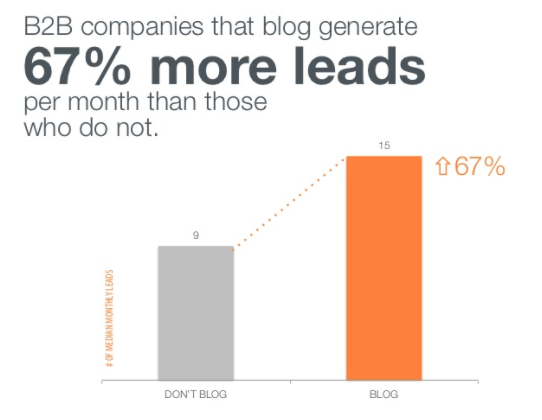
image6 12

As you can see from this data, B2B brands who blog generate more leads than those who don’t.

Here’s an example that shows the importance of your story. Imagine you run a company that sells something like gym weights and other fitness equipment.

Recall our discussion about defining the buyer. In this case, you’d be dealing with gym owners and branch managers. It’s safe to say these people have lots of experience with this type of equipment.

But if your background is in accounting and you’ve never worked out a day in your life, it’ll be tough for you to relate to these clients.

However, if you’ve worked in gyms for years and have a personal training certification, your story will help you drive these sales.

You can talk about the way your experience helped you make modifications to equipment to make it safer, more ergonomic, etc..

Pay close attention to your pricing strategy

With marketing, most people don’t tend to think about the price of what they’re selling. But that’s a key component to your promotional strategy.

There are so many factors for you to take into consideration here.

First of all, you need to know what your competitors are selling the same or similar products and services for. Second, you need to know how your price will impact the image of your company.

If the price is too low, will your potential customers think the product is cheap and not made from high quality materials?

When you set your price, make sure you have it at a point that’s enough for you to turn a profit. Factor in all your costs such as materials, equipment, labor, rent, shipping, etc.

You also need to leave some room for negotiation. These things don’t matter as much when you’re selling directly to consumer, but they make a huge difference for B2B clients:

Take a look at how pricing influences repeat purchases for B2B customers:
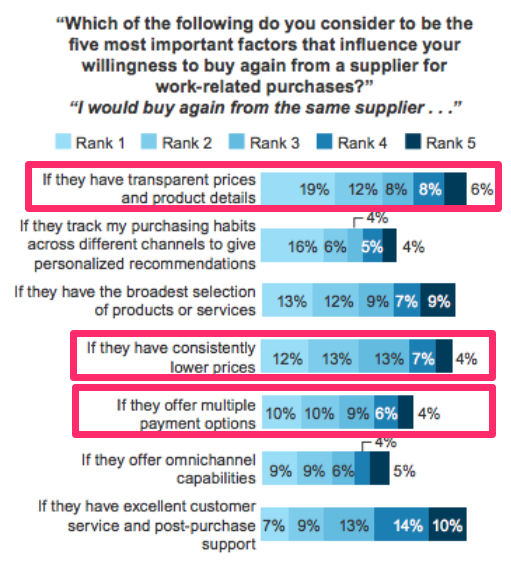
image4 12

Three of the top seven responses, including the top result, are related to price.

Here’s an example to show you just how big of an impact pricing can make on a purchase. Let’s say you manufacture clothing.

You sell directly to consumer as well as to other businesses. The price of a plain t-shirt on your website is $15. If it were $14 or $16 instead, it probably wouldn’t have had a huge impact on how many people would buy it. If they’re willing to pay $15, they’re probably willing to pay $16.

But now think about your B2C clients.

Your price for that same shirt might be $7 if they buy it in quantities of 1,000 units. If a commercial customer wants to buy 5,000 shirts, the difference between $7 and $7.50 is $2,500 on that order.

Think about how those numbers scale if that same customer wants to repeat that order twice per quarter for the entire year.

That’s an extra $20,000 they’d be spending. If you think regular consumers are price-sensitive, know that B2B customers pay even more attention to price.

If they weren’t so picky, they wouldn’t be able to stay in business.

Recognize how your buyers consume content

You won’t be advertising the same way to your B2B customers as you would to your B2C ones.

As I briefly stated earlier, social media is still a viable strategy for B2B marketing.

But you won’t be using platforms such as Snapchat. Instead, you’ll probably prioritize marketing channels such as Facebook, YouTube, and LinkedIn.

Here’s a comparison between B2C and B2B social media usage by platform:
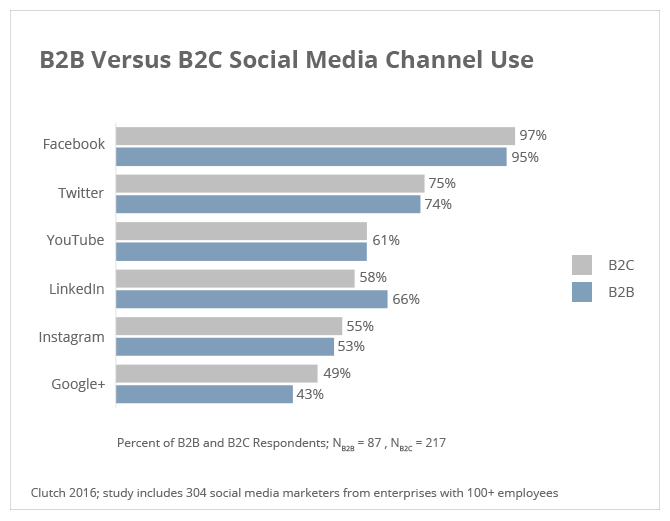
image2 12

Use promotional videos, photos, and other visual content to market to your B2B clients.

Just make sure you keep things professional at all times. Stay on brand. Build an email list.

When you form a new relationship with your customers, ask them whether it’s okay to use calling or texting as a method of communication with them.

B2C companies may have thousands of unique customers per year. But if your B2B brand has only a dozen or so customers, you can try to manage them through this type of personalized communication as opposed to traditional marketing tactics.

Putting out commercials on national television for everyone in the country to see may not be effective if you’re dealing with only 10 or 20 clients per year.

That’s a waste of your resources.

Always network with the intention of growing

Don’t settle.

Your B2B marketing strategy needs to make your company grow. Try to generate more leads and new customers. Get your existing customers to spend more money.

Networking is a great way to find new customers, especially in the B2B sector.

Take a look at this data of the top B2B marketing activities:
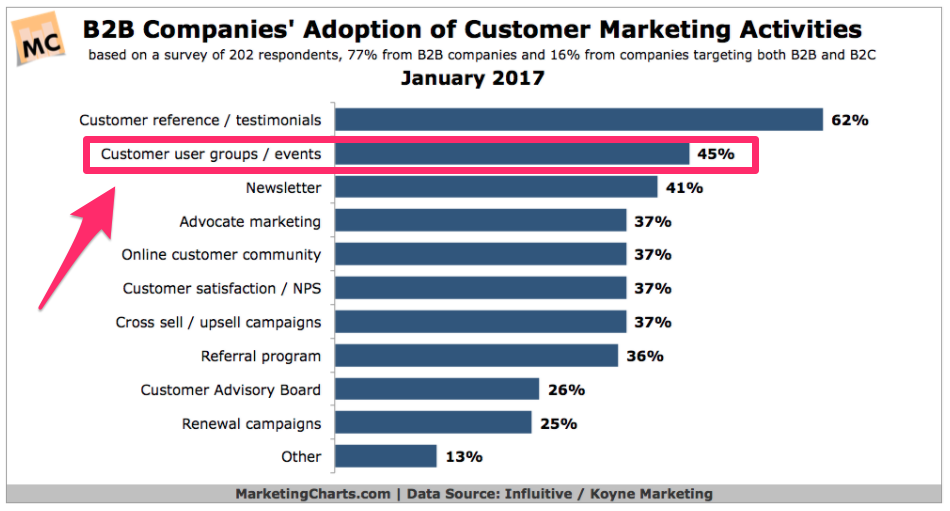
image7 12

As you can see, attending events ranked high on this list.

Go to local, regional, and national events. Join industry networks to meet new people.

These networks host annual meetings and conferences that can be extremely beneficial to your company.

In addition to in-person networking at events, you can also network through digital platforms. As we just discussed, social media sites such as Facebook and LinkedIn need to be part of your B2B marketing strategy.

Conclusion

You need to take a different approach with your B2B marketing campaigns from the approach you’d take with your B2C campaigns.

Start by figuring out who has the buying power in the businesses you’re targeting.

Focus your efforts on customer satisfaction. Go the extra mile to please your customers, and use personalization to befriend them.

All of this will help you build long-term relationships so you can increase the chances of getting repeat purchases from the same clients.

Leverage your brand story to generate leads. Pay close attention to your pricing strategy.

Identify the best marketing channels to promote your content to prospective buyers.

And don’t forget: growing your B2B company requires your constant attention.

If you follow these tips, you’ll be able to create a profitable B2B marketing strategy.

How is your B2B brand generating new leads through promoting customer satisfaction?


from Quick Sprout https://ift.tt/2LwzavE

Wednesday, June 6, 2018

How to Create an Effective Marketing Strategy for Your Startup Company

Starting a business is no easy task. Trust me, I know this very well from my experiences founding multiple companies.

If you are currently building a startup company, kudos to you for the effort.

There is a long and difficult road ahead of you. But if you start with the right foundation, this road can be very rewarding.

If your startup company has already launched and you don’t have a concrete marketing strategy, you’re behind. To be as effective as possible, your strategy should be created in the early stages so you’re ready to go once the company officially launches.

That said, you can’t go back in time. So don’t be alarmed. It’s not too late for you to build a strong marketing plan.

Some of you may have created a marketing strategy before your company launched. That’s great. But now that you’re in business, you are quickly realizing your strategy isn’t working the way you thought it would.

It’s time to go back to the drawing board.

Regardless of your unique scenario, I’m confident this guide can help steer you in the right direction. It can also be used as a reference for prospective startup founders in the preliminary stages of writing a business plan for your new company.

Your marketing strategy can make or break your business. It’s important you spend the time to get it right as soon as possible.

Here’s what you need to know.

Identify your target market

Before you do anything else, you need to decide to whom you are going to sell your products or services.

All too often in my consulting work, I see many new business owners who skip over this step because they believe their brands are for everyone. While I admire their ambition, that’s simply not the case.

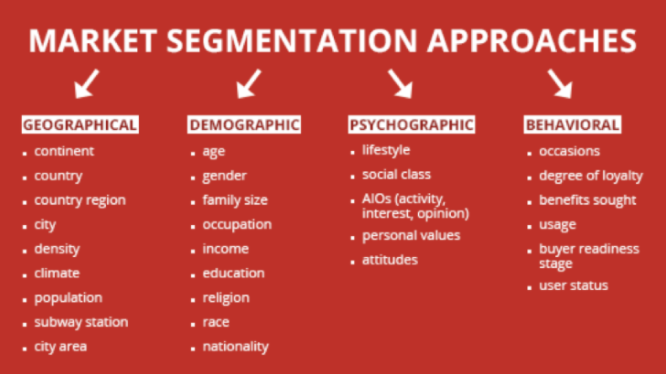
You need to find ways to segment your target audience to help you identify the best market for your brand:

image1 11

This chart is a great reference to give you ideas when it comes to getting as much information as possible about your prospective market.

You can also use generational marketing to segment your target audience.

Start broad and slowly get more specific. Depending on your brand, you may be targeting a wide range of individuals.

For example, let’s say your company sells clothing. You may sell clothes to men, women, and children of all ages. How can you narrow that down?

Maybe you’re targeting people who will wear your clothing for physical activity and fitness. You could get even more specific and target a certain sport, such as running or cycling.

Develop a customer persona for each unique type of customer.

There is a science to this strategy. One the one hand, a narrow target marketing will make it easier for you to make your brand appealing to that specific group of people.

But on the other hand, going too specific with your campaigns will alienate a large portion of the total consumer market. Tread carefully here, and do your best to find a market within the middle ground.

Conduct market research

Now that you’ve identified your target market, it’s time to start coming up with promotional strategies, right? Not so fast.

Before you work on new advertising campaigns, you need to validate your hypothesis.

Just because your brand is planning to target a certain audience doesn’t mean this group of people will automatically accept you.

You need to get out there and find out whether your target market actually wants what you’re selling.

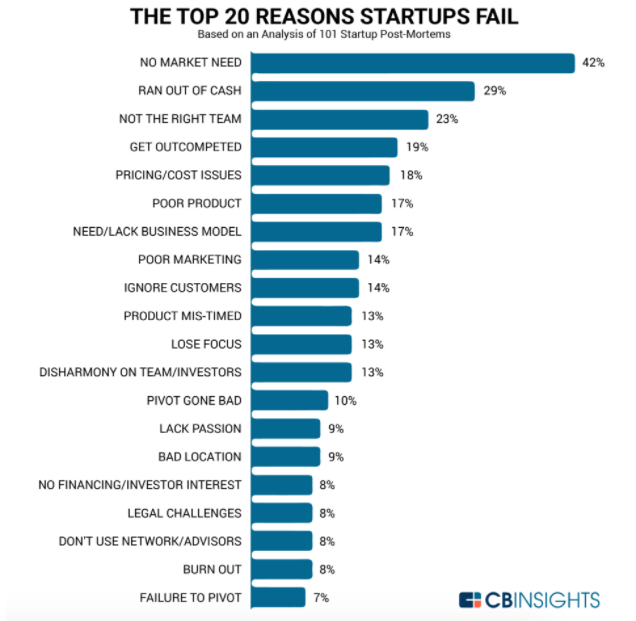
Here’s a look at the top reasons why startup companies don’t succeed:

image2 11

The number one reason why startup companies fail is because there is no market need for what they offer.

That’s why earlier I said you should be creating a marketing strategy before your startup launches. Then, you’ll be able to find out early on during the market research phase whether your venture is worth pursuing.

If your brand created a new product or service, find out how it helps improve the lives of your target market:

  • interview people
  • conduct focus groups
  • let them try out your product
  • listen to their feedback

All of these are crucial to the market research process.

Not all of you are creating something unique. You may have just made improvements to an already existing product or service.

Well, what’s your differentiation strategy? What makes it better than the competition’s product?

Figure out how your brand compares to other similar products or services already on the market. This will make it easier for you to craft a marketing strategy.

Analyze your competition

Your startup company doesn’t exist in a vacuum. As I previously alluded to, you need to be aware of your competition within this space.

In most cases, your startup company isn’t 100% unique. It’s more than likely that whatever you’re selling is similar to other products and services on the market.

That’s OK because the right marketing strategy can help you survive even with lots of competition.

Analyzing your competition is one of the most crucial parts of your marketing strategy. Start by looking at their marketing campaigns.

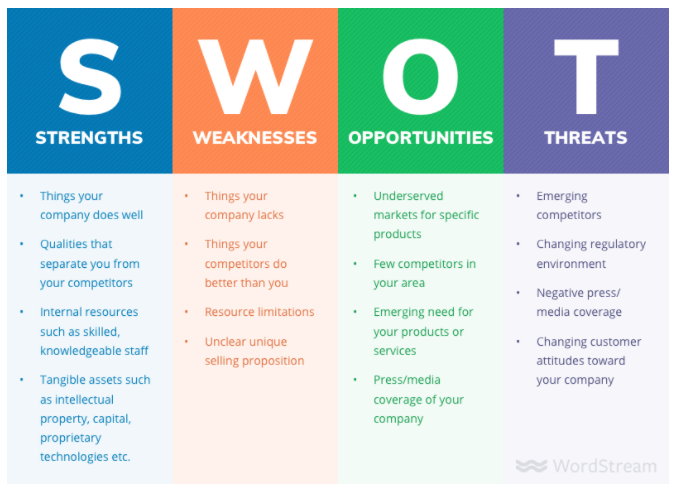
A simple SWOT analysis chart can be a useful tool when it comes to your competitive analysis process:

image4 11

That’s because this type of chart is designed to compare your competitors to your own brand.

What is their target market?

Figure out what’s working well for them. If a marketing strategy works well for your competitors, it might work for you as well.

If you notice flaws in their marketing strategy, you can make sure to avoid those mistakes when you are creating your own.

Come up with a realistic budget

You may have all kinds of ideas for your advertising campaigns.

But you can’t blindly launch these without factoring in the cost. Unfortunately, I see too many startup companies fail because they run out of money.

Refer back to the graph I showed you earlier about why startups fail. The number two reason on that list is because they run out of cash.

Appropriate budgeting is important for all businesses. But it’s even more important for startups. That’s because when you first launch, you don’t have a steady income yet.

Consumers don’t necessarily know who you are, and you won’t have a regular clientele base.

If you are still in the early stages of writing a business plan and securing funding for your startup, make sure you accurately estimate your marketing costs.

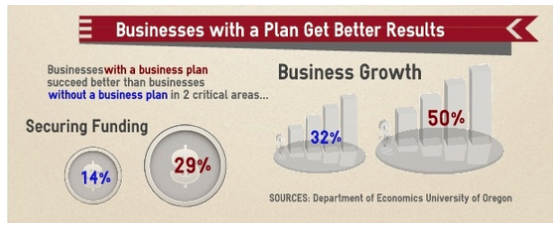
Including your marketing budget in your business plan is an absolute must. If you put your plan in writing, it increases the chances you’ll follow through with it.

That’s why startups with a business plan grow at higher rates than those without one:

image5 11

Stay within the confines of your budget at all costs. If you exceed those spending limits, it could be the downfall of your company.

Don’t worry. You don’t need to spend hundreds of thousands of dollars to be successful.

There are plenty of cost-effective marketing strategies you can implement.

Create your distribution channels

We’ve got a lot accomplished so far. But we’re still not quite ready to start implementing new ad campaigns.

Before you can do that, you need to have a platform to promote on.

Start by creating a website. Everything you do should focus on driving traffic to that website and getting visitors to convert.

Create a profile on as many social media channels as possible:

  • Facebook
  • Instagram
  • Twitter
  • Snpachat
  • YouTube

You need to establish a presence on these. This is especially important if you want to market your brand within a tight budget. Sure, you can spend money on social media ads, but you don’t have to.

It’s easy to save money by doing it all yourself and trying to gain traction by producing organic content on these platforms.

You’ve also got to consider which social sites are the most important based on your target market. What platforms are they active on the most?

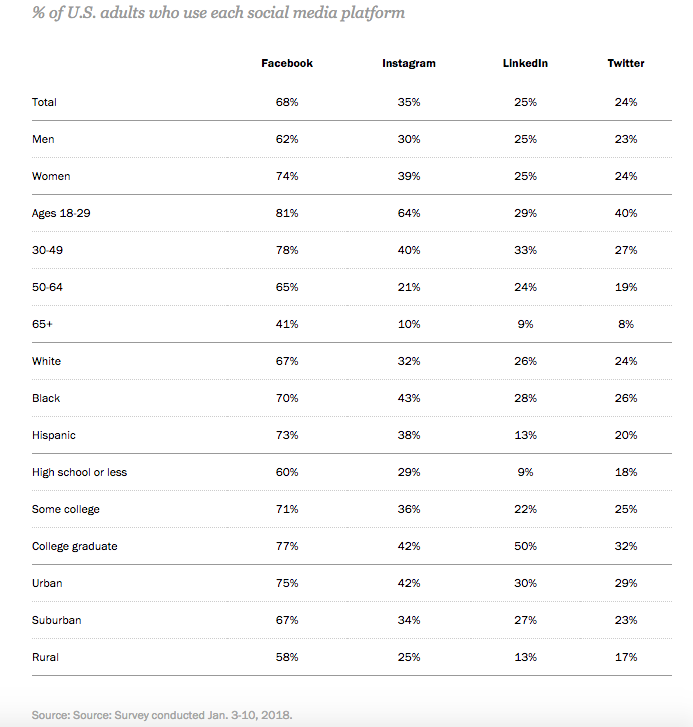
This data from the Pew Research Center shows the habits of different groups of people on social media:

image6 11

Don’t blindly focus all your efforts on just one social platform without conducting the research first.

Yes, eventually you want to have a strong social presence on all channels. But I recommend prioritizing your early efforts on the platforms your target market uses the most.

Grow your email list

Your company needs to have an email subscriber list.

This may seem like an uphill climb at first. Your list will start from the number zero. That’s OK.

You won’t get 10,000 subscribers overnight.

But with time, patience, and effort, your list will slowly begin to grow.

Your email subscriber list will serve as one of the most important distribution channels for your startup. That’s because anyone who provides you with their email information is somewhat interested in your brand.

Even if they didn’t buy something, they were still interested enough to hear from you in the future.

Sometimes you need to offer people an incentive to sign up for your emails.

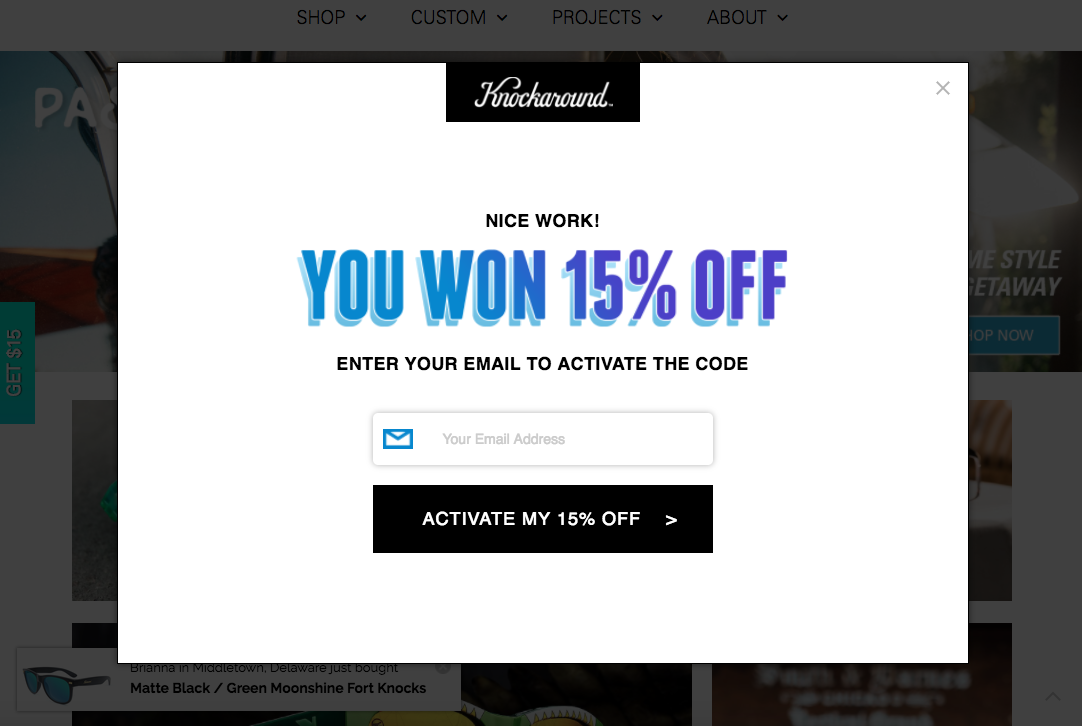
Your website should make it easy for people to sign up. Check out this example from the Knockaround website:

image8 10

They offer a discount to entice website visitors to opt in to their email list.

Once someone joins your list, you need to take advantage of that communication channel. Send them promotions, new product information, and things of that nature.

Use your social media platforms to do the same.

Figure out what type of content you’ll publish

Again, this relates back to some of the earlier points in this post: identifying your target market, conducting market research, and analyzing your competitors.

What types of campaigns will speak to your audience?

These are all examples of what you can consider applying to your marketing strategy:

  • blogs
  • infographics
  • video promotions
  • ebooks
  • informative guides
  • newsletters
  • webinars

Just don’t bite off more than you can chew. I’d recommend starting with a few of these before implementing all of them at the same time.

Focus your efforts on producing high quality content in a couple of categories before branching off.

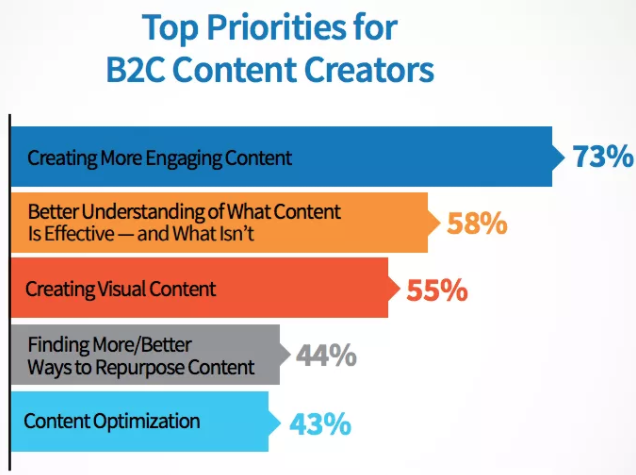
Research shows 73% of marketers say their top priority is to create more engaging content:

image7 11

Be creative.

You don’t want your content to blend in with everything else’s. Your content should highlight your differentiation strategy.

Set aside time each day or week for brainstorming sessions. This can be done alone, or in groups, depending on the size of your company.

Really let some wild ideas fly in these sessions. Make sure your team isn’t afraid to speak up.

The worst case scenario is you don’t use an idea. But it never hurts to bring it to the table.

Reach out to prospective influencers

You shouldn’t be marketing your startup alone.

Working with influencers is a great way to build brand awareness.

But you need to make sure you find relevant influencers. Anyone who endorses your brand should be able to speak to your target market.

If you sell tennis equipment, hiring a brand influencer who has never played tennis probably won’t be an effective strategy.

There are plenty of online tools for finding and managing social influencers.

Take advantage of these platforms. They make it easy for you to get connected with people related to your brand.

Test and measure all your campaigns

Once you’re ready to start promoting, you need to be able to determine how effective your campaigns are.

Otherwise, you won’t be able to calculate your ROI, and your budget could be thrown out of whack. Use online tools like Google Analytics to help you measure data such as where your website traffic is coming from.

Look at your conversion rates. Measure engagement on social media.

You also need to look at analytics of your email campaigns. Look at data points such as open rates, clicks, bounces, and unsubscribes.

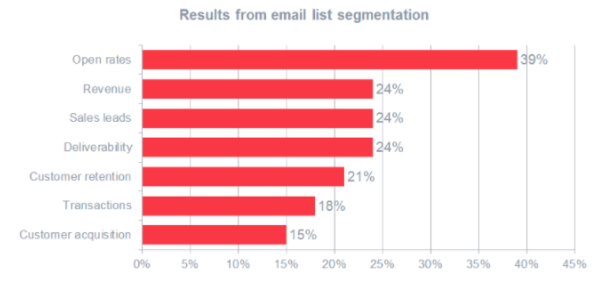
Make changes based on your results. For example, take a look at how segmenting your subscribers can impact your results:

image3 11

Now you can re-evaluate what marketing strategies are working and which ones need to be altered or even scrapped completely.

Set benchmarks based on your results. Come up with goals to ensure you’re always striving to improve.

Don’t get discouraged

You can’t expect your startup to be a huge hit overnight.

If your ads aren’t generating the type of engagement, response, leads, and sales you were anticipating, you can’t automatically blame your marketing strategy.

Sometimes these things take time.

Your strategy may not be the issue. It’s just taking consumers a little bit longer to get familiar with your brand. But the last thing you want to do is give up.

You’ve got a plan. Stick with it.

If your budget and marketing strategy are mapped out for the next six months, don’t abandon ship after a couple of weeks.

See your plan through to the end. If things didn’t go as planned, you can try a new strategy at that time.

Conclusion

Coming up with a marketing strategy for your startup company can be intimidating. But there are steps you can take to help guide you in the right direction.

The first thing you need to do is identify your target market. Then, you can conduct market research and analyze your competitors.

Set a marketing budget.

Create multiple distribution channels. Decide what type of content you want to publish, and determine how it will speak to your target audience.

Come up with a list of potential brand influencers to help with promotion.

Measure your results and set benchmarks. If things don’t go as planned, don’t hit the panic button. You’ve still got time to make adjustments.

Follow these tips if you want to have an effective marketing strategy for your startup.

What marketing strategy is your startup company using to reach your target audience?


from Quick Sprout https://ift.tt/2M2Hx3a

Tuesday, June 5, 2018

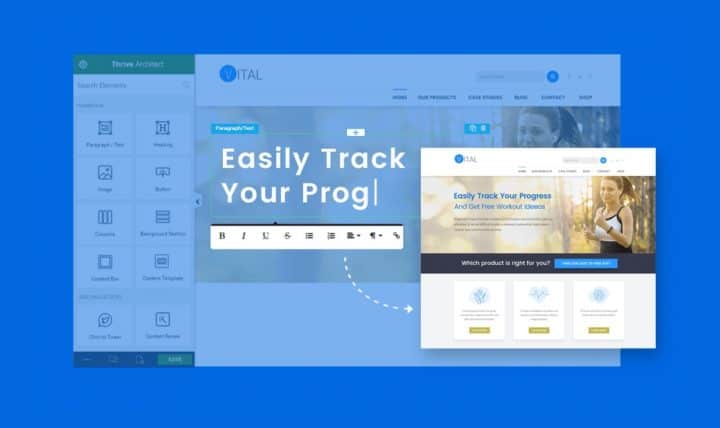
Thrive Architect Review: The Only Content Builder Your WordPress Site Needs

thrive architect review

Content should be one of the building blocks of your online business. You get to connect with your target audience not only with the quality of content you create but also how you present them on your site. If you…

The post Thrive Architect Review: The Only Content Builder Your WordPress Site Needs appeared first on Niche Pursuits.


from Niche Pursuits https://ift.tt/2JiTv6T

Monday, June 4, 2018

How to Drive More Traffic to Your Website with These 10 Lead Generation Strategies

Many businesses seek my advice.

Throughout the years, I have seen many common problems marketers and business owners across various industries encounter. But one thing I’ve been seeing frequently lately, so I thought it was time for me to address it.

Many brands are focusing all their efforts on getting higher conversion rates.

Don’t get me wrong. That’s extremely important for the success of your company. For the most part, conversions ultimately translate to dollars. They encourage sales and contribute to your bottom line.

But before people can convert, they need to find your website first. So, companies put forward strategies such as increasing their spending on advertisements.

Again, there’s nothing wrong with this approach.

But wouldn’t it be great if you could increase leads and website traffic at the same time? It’s possible.

There are ways for you to get more web traffic by focusing directly on lead generation. You’re killing two birds with one stone here.

I’ve narrowed down the top 10 lead generation strategies to help you get more traffic to your website. Here they are.

1. Take advantage of your email list

With so many new content marketing strategies out there today, it can be tempting for brands to forgo the traditional approaches.

But email marketing needs to be part of your advertising foundation. Over the years, email marketing has withstood the test of time.

It’s still one of the most profitable marketing tactics.

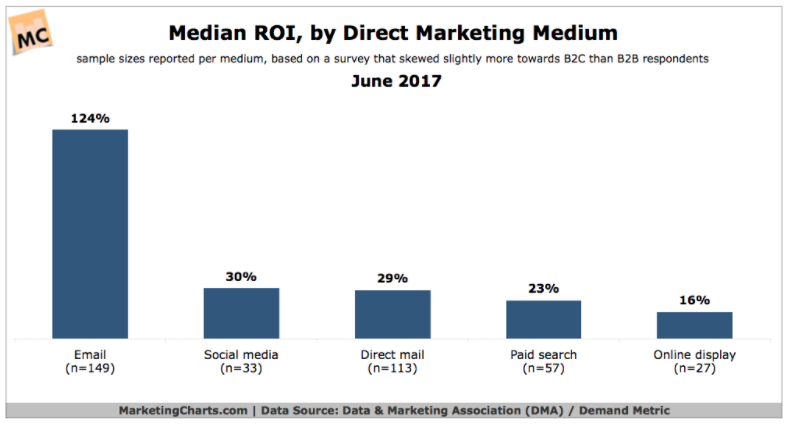
Just take a look at how it compares to other direct marketing mediums:

image1 10

Because email is generally inexpensive, it delivers a high ROI per dollar spent.

Email marketing is also extremely versatile. There are lots of different ways for brands to leverage their email subscribers.

One of those methods includes driving more traffic to your website. Encourage your email subscribers to share your content with their friends and family.

As a result, you can generate leads from new website visitors as well as your current subscribers.

Plus, email marketing software makes it easy for you to track and analyze the efficiency of your email campaigns. If you see a spike in website traffic, you’ll be able to know exactly where it came from without making assumptions.

Take advantage of those analytics. Make sure you’re tracking the source of new traffic so you can measure the effectiveness of each email you send.

This will also show you how you’re getting new leads.

2. Increase your social media presence

In this day and age, your company can’t afford to ignore social media.

Across the globe, social media usage has been increasing at a rapid rate for the past decade or so. Just take a look at the user growth across the social networks worldwide:

image2 10

Having a Facebook profile isn’t enough anymore. You need to make sure you have an active presence on other platforms as well, such as:

  • Twitter
  • Instagram
  • YouTube
  • Snapchat

Do more than just create a profile. Post content on a daily basis.

Try your best to get more followers. Create posts that encourage engagement. Respond directly to your followers to entice communication.

These actions make it much easier for you to generate new leads.

Just because someone follows your brand on social media doesn’t mean they visit your website. But now, you can post links to your social pages with the intention of driving traffic directly to your website.

Constantly posting links will increase the chances of you getting an increase in clicks and traffic.

Similarly to your email strategy, you can use unique links to track where the traffic is coming from. You’ll be able to determine which social platforms are generating the most traffic and which posts get the highest engagement rates.

3. Start blogging

If your website doesn’t have a blog already, make creating one a priority.

It doesn’t matter what type of business you have or what industry you’re in. Blogging is one of my favorite ways to increase website traffic and generate new leads.

Take a minute to analyze your brand. What are you offering? Is it important enough for people to visit your site on a daily basis? How about once a week?

Realistically, the answer is probably not.

But if you have a blog, it gives people a reason to keep coming back. Blogs also help improve your SEO because you’re constantly adding new content to your page, but we’ll discuss that in greater detail later on.

As a result of your improved SEO strategy, your organic lead generation will increase as well. The more often you post, the more traffic and leads you’ll get.

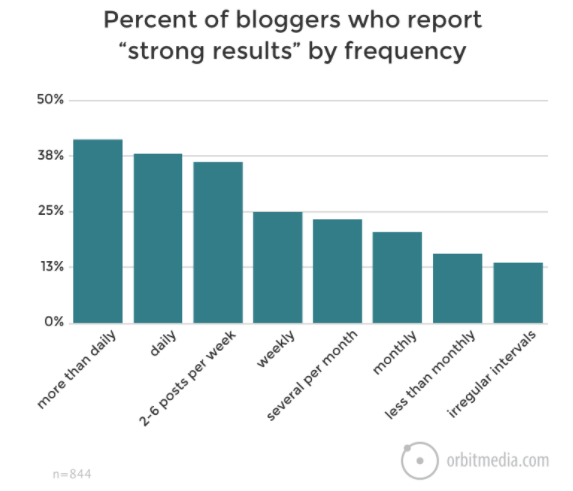
Just take a look at how publishing frequency impacts the results bloggers see on their websites:

image3 10

The strongest results came from the most frequent posts.

You can even pair your blogging strategy with some of the other tactics I’ve previously discussed.

Each time you write a new blog post, you can email it to your subscribers. Post about it on social media. Now you’re able to generate new leads and get more traffic from multiple sources with just one blog post.

Take your blogging strategy to the next level by guest blogging on other websites. While you may not think this is beneficial to you, it’s a great way to increase your site traffic.

That’s because you can use guest posts to consistently build backlinks leading to your website.

Now, readers who may not be familiar with your brand can click on those links and be redirected to your site as new leads.

4. Produce video content

Consumers want more videos from brands.

That’s why 87% of marketers produce video content online. Videos yield a 157% increase in organic search traffic as well.

Furthermore, 46% of consumers act after watching a video advertisement.

Give the people what they want. Your business should have a YouTube channel set up, and you need to add new videos to it on a regular basis.

You don’t need to spend a fortune to produce video content. It’s easy to create and edit your videos in-house.

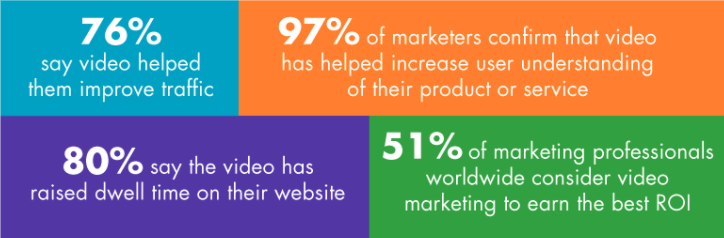
People would rather watch a video about a product than read about it. This is a top reason why marketers say video content helped them increase website traffic.

image4 10

You need to have videos on your website.

Add videos to your emails and social media pages. You can even embed video links into your blogs.

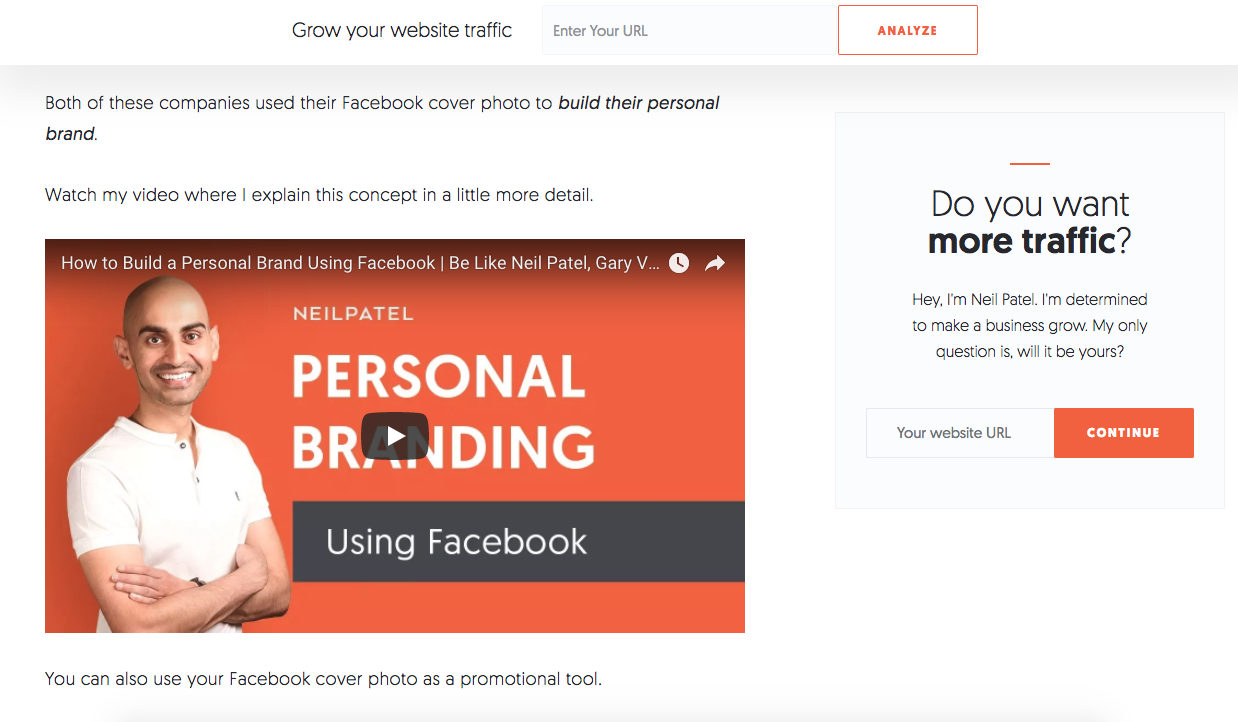
This is a strategy I have been using in my blog posts for years now. Here’s an example of one I used recently:

image9 4

Ultimately, videos can help you generate new leads and increase your website traffic.

If you’re not producing them right now, you need to start as soon as possible to maximize your reach.

5. Build unique infographics

In addition to videos, you can also use other visual elements to enhance your content.

Infographics are another top option for you to consider. By creating unique infographics, you can drastically improve your website traffic.

You can use these visuals in many different ways.

Here’s something to keep in mind. When people use search engines, they don’t always just look for web results.

In fact, research shows that 63% of searches via Google Images result in clicks that generate website traffic.

If people are searching the web for images, you’ll be in the relevant search results if you have infographics on your site.

Plus, once you develop a reputation for producing high quality and accurate infographics, you’ll become an authoritative source of information.

Now other websites can use your infographics to enhance their own content. As a result, you’ll get more referral links, which will drive more traffic to your site.

As previously discussed, backlinks will continue to improve your SEO ranking, which will ultimately improve your organic search traffic as well. This way, you’re generating new leads from multiple sources.

Just make sure your infographics are always accurate and up to date. Any time new research gets conducted, update your old infographics with new data.

6. Focus on your goal

To come up with an effective lead generation strategy, one of the first things you need to do is determine your goal.

Sure, your company may have several goals. But just stick with one at a time.

Are you trying to sell your newest product? Do you want to add new subscribers to your email list? Are you trying to get website visitors to download your ebook?

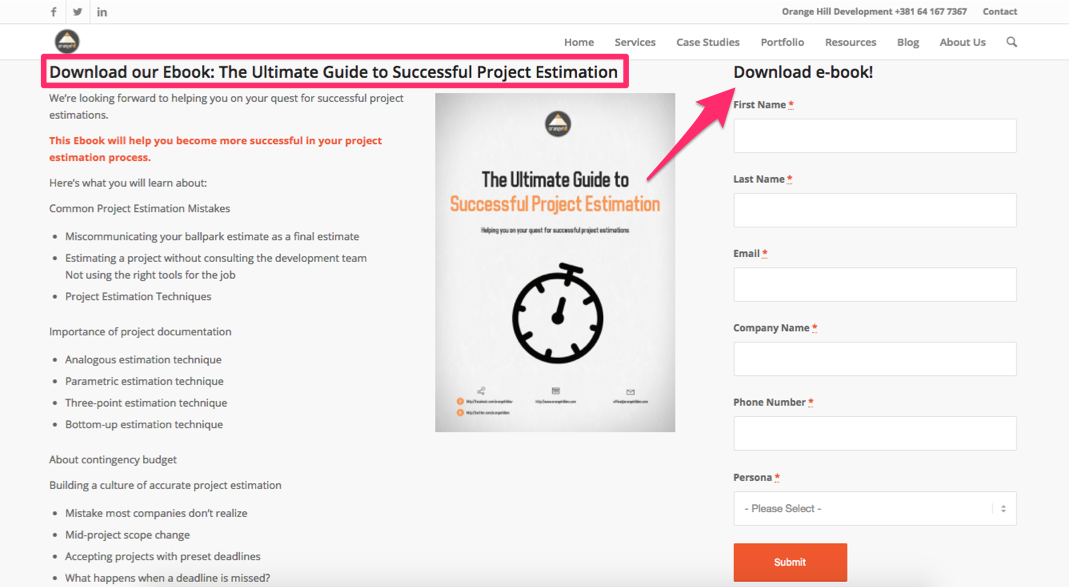
Once you choose one goal, you can design your site accordingly. Here’s an example from the Orange Hill Development website:

image10 3

Based on this landing page, it’s clear what their goal is. They obviously want to get website visitors to download their ebook.

You also want to make sure all your other promotions are aligned with this goal and follow the same approach.

For example, let’s say you send an email to your subscribers about your newest product. You provide a link for them to click on to increase your website traffic.

If that landing page doesn’t provide them with more information or a way to purchase the product, it’s not in line with your goal.

In this example, the link should bring website visitors to a page where they can buy the product with a couple of clicks.

7. Create simple forms

Once people land on your website, you want to make sure a new lead is generated.

Otherwise, your increased traffic is wasted.

One of the best ways to do this is to have lead generation forms on your homepage as well as other pages of your site. That way, no matter where the visitor navigates, they will always see the form.

But you need to make sure you’re only asking for important information. You want this process to be as quick as possible.

If it looks as if your lead generation form is going to take forever to fill out, people won’t do it.

Take a look at how conversion rates are affected by the number of form fields required:

image7 10

Based on this research, it appears three is the magic number. But generally speaking, you can see that conversion rates decrease as the number of form fields increase.

In some instances, the only thing you might need is the email address.

Now, you have a way to contact your subscribers for follow-up information, which can ultimately be used to drive more traffic to your site, as I previously discussed.

8. Broadcast live videos

When it comes to marketing, live video streaming is a relatively new concept.

But many social media platforms have recently implemented this feature, so it’s time for you to take advantage of it.

  • Facebook Live
  • YouTube Live
  • Instagram Live Story

All of these are ways for you to connect with your audience. This also relates to the previously discussed topic of having an active social media presence.

Your live video streams can be used to get more people to visit your website.

Direct them to a landing page you use to generate new leads. Now you’re able to kill two birds with one stone.

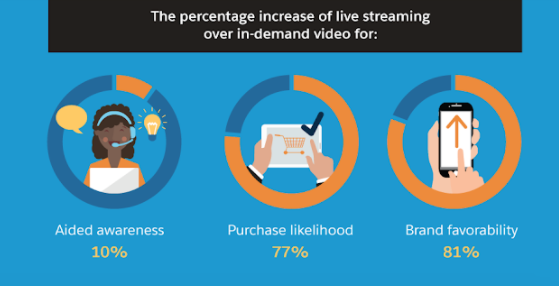
Ultimately, live video streaming also has a positive impact on sales:

image5 10

To get the full effect, you should be going live on a regular basis.

You’ll gain a strong audience of viewers and increase the chances of driving more website traffic and generating leads.

9. Use influencer marketing to establish credibility

If your website is credible, you’ll be able to generate more site traffic.

One of the best ways to gain credibility is to leverage your relationships with influencers. You can approach this tactic in many different ways.

If you have the means, you can use celebrities to promote your brand.

That’s because these people are already known and trusted. Working with a celebrity shows your brand is legitimate.

Their endorsements will reach a wider audience. The problem is it’s obvious to consumers these celebrities are getting paid to pitch your products or services.

As an alternative solution, you can use micro influencers to increase your product credibility.

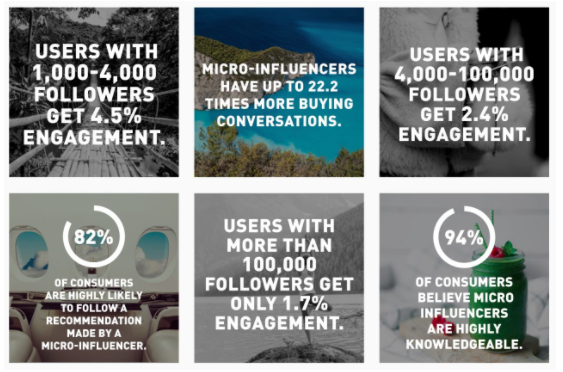
One of the top reasons why I’m an advocate for using micro influencers is because they have high engagement rates with their followers.

image8 9

Get these people to post about your products, and you will get more traffic to your website.

Your new leads will be more likely to trust your brand if the recommendation comes from a social influencer.

Now you’ll have an easier time generating conversions and ultimately drive higher profits.

10. Improve your SEO

A great way to generate leads and traffic is through search engine optimization.

As you can see from what we’ve already talked about, implementing some of these other lead generation strategies will automatically help your SEO.

But by using other tools to improve your SEO, such as keyword research, you’ll be able to get more traffic from organic search results.

That’s because when someone is looking for something online, whether it’s a product or service, they’ll probably start with a Google search.

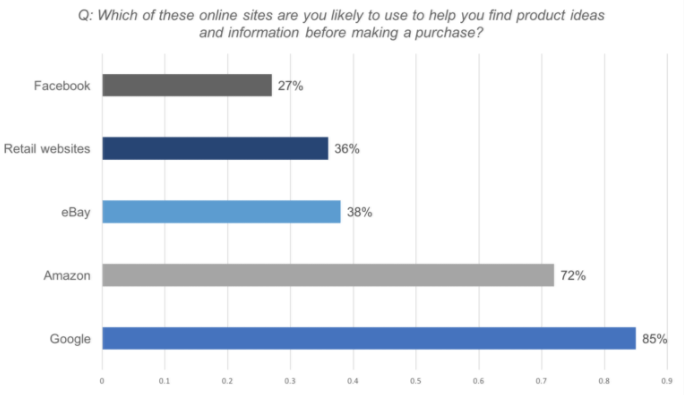
In fact, 85% of consumers use Google to help them find information about products before they make a purchase.

image6 10

Someone doesn’t even have to know your company exists right now. But you can still get them to visit your website if you can master your SEO strategy.

Now that they’ve found your site from a search engine, it will be easier for you to generate a new lead as well.

Conclusion

Website traffic and lead generation.

These concepts are different, but each of them is crucial when it comes to the success of your business.

The key here is finding a way to improve both of them at the same time.

I recommend you shift your focus to lead generation. If you apply the strategies I’ve listed above to generate new leads, you’ll also be able to increase your website traffic.

More traffic and new leads will translate to higher conversion rates and extra cash in your pocket.

How is your company increasing your website traffic by scaling lead generation tactics?


from Quick Sprout https://ift.tt/2LVcNkq

Friday, June 1, 2018

How to Implement a Marketing Strategy That Speaks to Your Millennial Audience

Depending on whom you ask, Millennials have an interesting reputation.

Ask their parents, teachers, and employers, and I’m sure you’ll get a different response from all of them.

An old Time Magazine cover story labeled Millennials as “lazy, entitled narcissists who still live with their parents.”

Truthfully, I think that’s a bit harsh. But it’s safe to say their character traits are very different from those of the generations that preceded them.

Who are Millennials? Although the time period within which they were born is not exact, the term Millennials, also known as Generation Y, generally refers to anyone born during the mid 1980s to the mid 1990s.

Some people even consider anyone born in the early 2000s as a Millennial. But for the most part, anyone born after the late 1990s is labeled as Generation Z.

Why is it important for you as a business owner to recognize this group of people? For starters, this generation constitutes the largest slice of the total population in the United States.

Furthermore, Millennials are projected to stay at the top of these charts for decades to come:

image1 9

As a marketer, you need to learn how to clearly identify your target audience.

All of your products, services, and advertisements shouldn’t speak to everyone on the planet. That’s why learning how to use generational marketing to segment your target audience is a winning strategy.

If you are currently targeting Millennials, this guide will help you improve your efforts.

If you haven’t implemented a marketing strategy aimed specifically at Millennials, it’s not too late to start. I’ll explain everything you need to know to help you target the Millennial consumer.

Speak to their entrepreneurial spirits

Before you can start marketing to anyone, you need to try to understand how they think and behave. Develop a customer persona as a research tool.

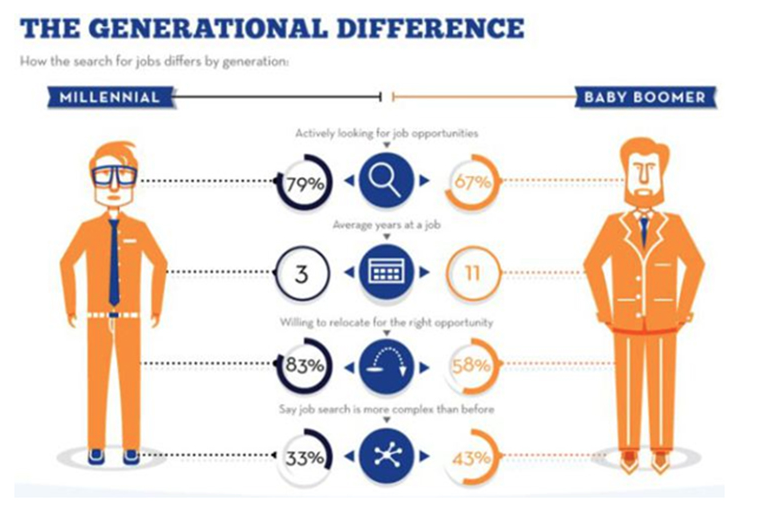
One of the elements of this type of marketing tool is the ability to analyze the consumer’s work habits. Unlike previous generations who got jobs and stuck with them until they retired, Millennials have other ambitions.

In fact, 54% of Millennials want to start their own companies or have already started one.

That’s because they want their lives and schedules to be more flexible compared to the stereotypical workweek. In fact, 89% of this group say they would rather decide themselves when and where to work as opposed to working a standard nine to five job.

Further, 45% of Millennials would choose a job with a more flexible schedule rather than a higher pay rate.

That’s why it should come as no surprise that Millennials spend fewer years at the same job compared to previous generations.

image7 9

Use this information to your advantage when it comes to your marketing strategy.

Present your brand so that it appears flexible and can help entrepreneurs. Find a way to make your products useful for young adults who want to start their own businesses.

Recognize they probably won’t stay at their current jobs for long. Sell them a lifestyle that fits their needs and wants.

Understand how they live

Outside of their lives at work, you’ve also got to consider other places where your target market spends the majority of their time.

At the very least, you can assume they’ll spend roughly eight hours or so sleeping at home. Naturally, it makes sense for you to analyze their home lives.

But don’t make any assumptions. The home life of a Millennial is very different from that of previous generations.

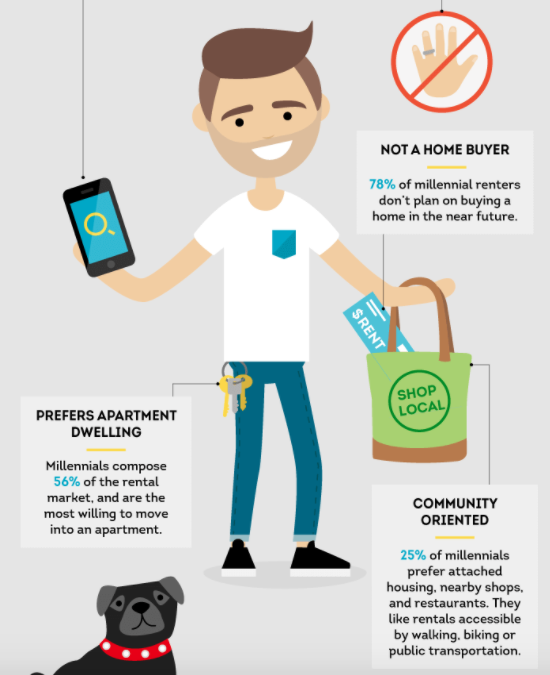
Research found 65% of Millennials across the United States rent their homes. This is more than double the percentage of Baby Boomers who are renters.

Millennials are happy renters and don’t necessarily plan to buy a home in the foreseeable future.

image2 9

As you can see, there are other characteristics that this group looks for when it comes to their housing situations. They prefer apartments as opposed to houses.

This may have to do with their flexible lifestyle. They may not have, need, or want the possessions and furniture to fill the larger space of a house.

From a marketing perspective, you need to recognize this if you sell products related to the home furnishings industry. You need to adjust your marketing campaigns accordingly to target Millennials.

They won’t spend thousands of dollars on a couch if they know it’s only going to be kept in their apartment for a year during a short lease.

If they plan on changing jobs and moving, they may opt to leave behind big furniture or sell it themselves. They won’t make a big investment in these products.

Millennials also want to live in lively communities. They want proximity to local shops, restaurants, cafes, and bars. It’s important for them to find areas where they can walk, bike, and have easy access to public transportation.

We also know that 76% of Millennials who pay rent also own a pet. Marketers can build a customer persona as a pet owner.

Furthermore, it’s important to understand that the majority of Millennials pay rent because they want to.

Studies show that 60% of this group chooses to rent, while 40% say they can’t afford a down payment to buy something.

Marketers need to sell products and services that accommodate the needs of Millennial renters. If you’ve got an advertisement featuring a young adult in their newly purchased home, it’s probably not going to speak to Millennials because they can’t relate to that situation.

Don’t insult their intelligence

Despite what you may think about their character traits or work ethic, you can’t ignore the fact that Millennials are smart.

Don’t believe me? Well, more than one-third of Millennials have at least a four-year college degree. This makes them the highest educated group in the country.

And 87% of Millennials worked up to management roles in their workplaces over the last five years. This compares to just 38% of Generation X-ers and 19% of Baby Boomers who achieved that during the same time frame.

It wouldn’t be wise for marketers to try to outsmart this demographic.

Yes, you’re trying to sell them something. Embrace it. Don’t try to trick them or have some kind of hidden agenda. They will be more willing to trust a company that is straightforward with their marketing strategy.

Be charitable and socially responsible

Millennials care about people and the planet.

If your company supports a cause, it increases the chances that Millennials will buy something from your brand.

Here’s a great example of this type of strategy put to use with the Warby Parker “buy a pair, give a pair” campaign:

image4 9

The company donates glasses to people across the world who have vision problems and can’t afford help. This type of campaign will speak to a Millennial target market.

That’s because 81% of Millennials say they expect businesses to make a commitment to corporate citizenship. And 62% of this demographic say they expect executives and company leaders to focus their efforts on making improvements to society.

Partnering with the right causes and charities can help you with your sales.

First of all, it’s just the right thing to do. You’ll even get tax write-offs for your donations. But second, it will help you reach your Millennial audience and encourage more purchases.

We know that 70% of Millennials will spend more money on brands that support a cause they care about.

While charity is important, there are other ways for your brand to focus on social responsibility to target Millennials. For example, you can make products from recycled goods.

Do your part to minimize your carbon footprint on the planet. Partner with and support other brands that do the same.

You may already be doing such these things but not promoting them well. Don’t be shy. Share with everyone the ways your company is being charitable and socially responsible.

Create social proof

You won’t say anything bad about your brand.

Quite the opposite, you may be promoting your product as the best on the planet, which is obviously a biased opinion.

As we previously discussed, Millennials are intelligent. You’re not fooling anyone with these types of campaigns.

Don’t get me wrong, your products and services might be great. But it doesn’t mean as much if these words are coming from you.

Instead, you need to get other people to say how great your brand is. Creating social proof to improve conversions increases the chances of Millennials buying your products.

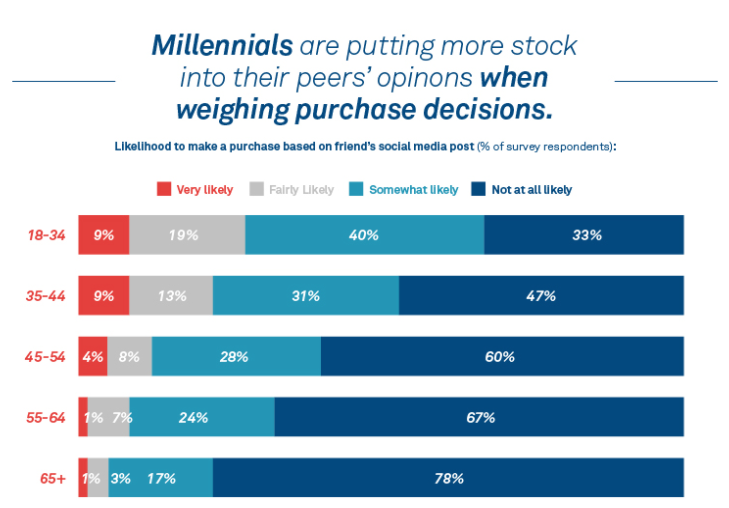
Consider this: 84% of Millennials say they don’t trust traditional marketing. But they are more willing to trust their peers, friends, and family.

The best way to create social proof is by getting your current customers to become advocates for your brand. Encourage them to write product reviews.

Get people to post about your products on social media.

image5 9

As you can see, social media posts influence Millennials when it comes to making purchasing decisions.

You can also come up with customer referral programs as a way to get your customers to recommend your brand to others.

Tactics like these will be much more effective than traditional ads when it comes to your Millennial marketing strategy.

Go mobile

This should go without saying, but I wanted to include it regardless because it’s so important.

It’s no secret that Millennials are tech-savvy. In fact, 85% of Millennials have smartphones. In addition to their jobs and homes, you also need to consider where they live their digital lives.

They use social media, email, and apps on a daily basis, all from their mobile devices.

If you want to reach this audience, your company needs to have a mobile-friendly website.

If you are looking to take your mobile presence to the next level, consider building a mobile app. This is one of the best ways to increase sales by encouraging mobile spending.

Plus, with a mobile app, you can stay in constant communication with your Millennial audience by sending them push notifications.

This will make it more likely for you to generate sales from Millennial consumers.

Leverage social media

Millennials love social media.

Earlier I discussed how posts from their peers on social networks influence this group. But that’s not the only way you can use these platforms to your advantage.

Run campaigns that create FOMO (the fear of missing out). It will encourage your Millennial target market to jump on board.

Whether it’s a sale or a new trend, Millennials are constantly trying to “keep up with the Joneses” on social media.

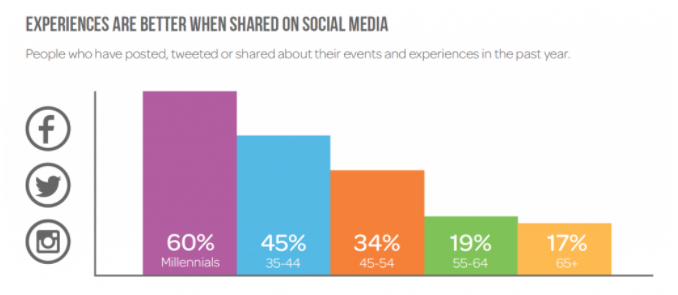
That’s why they post about events on social sites more than any other generation.

image8 8

Your business obviously needs to be active on social media to survive in 2018.

But when it comes to your Millennial marketing strategy, social media needs to be at the top of your priority list.

Meet their travel needs

Earlier I discussed how Millennials live. They live in rental apartments to have more flexibility in their lives.

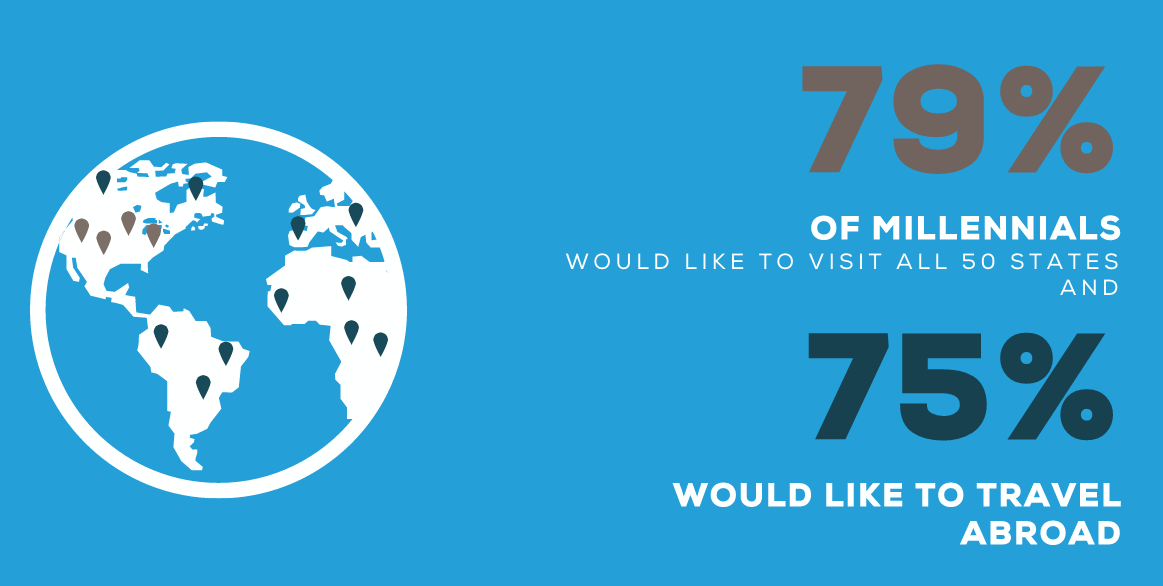
But Millennials also want to travel. Take a look at these numbers that prove my point:

image3 9

Furthermore, 69% of Millennials say they have a thirst for adventure. Brands need to recognize this to stay competitive and reach this demographic.

Don’t just sell a product. Sell a lifestyle.

Run ads and promotions to position your product within the travel industry. Sometimes you just need to get creative here.

For example, let’s say your company sells backpacks. Rather than running an ad that shows the bag being great for commuting to work or lugging belongings around town, you can demonstrate it’s the perfect backpack as an airplane carry-on bag.

This strategy can be applied to virtually every product. Don’t believe me?

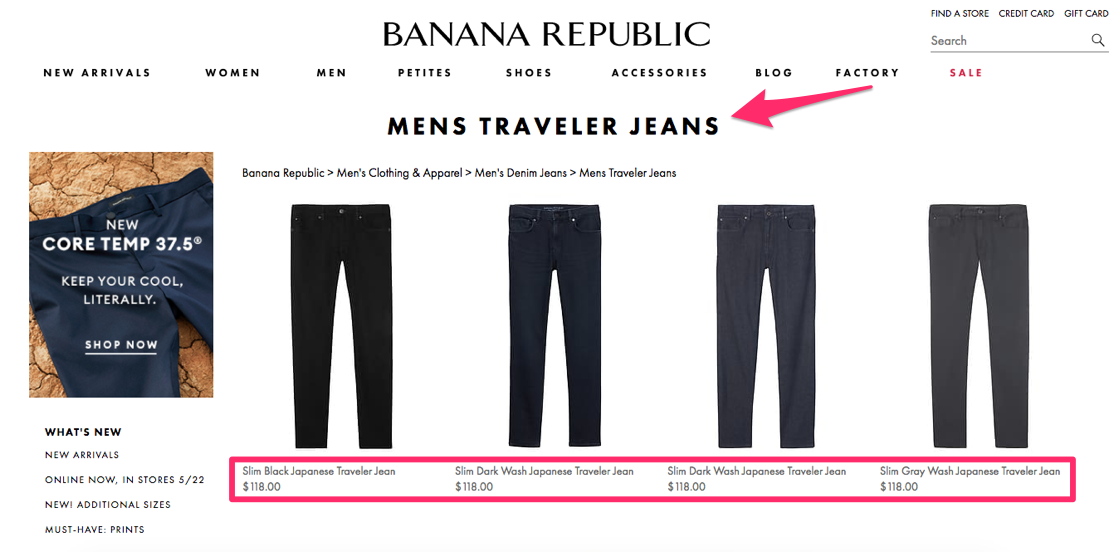
Check out this marketing example from Banana Republic:

image6 9

They have a whole product line of traveler jeans.

What makes these jeans different from regular jeans? Well, according to the product description, these ones are soft and provide the perfect amount of stretch to keep you comfortable when traveling.

Realistically, they are just jeans. But it’s all about how you position your products.

I’ve seen this strategy used by other clothing brands as well. For example, some brands promote zipper pockets on their clothing that can fit a passport.

This way, customers know that their identification is secure when they are traveling. These are the type of functions and marketing tactics that speak to Millennials.

Conclusion

Think what you want about Millennials. But as a business owner, you should see them as a potential source of profit.

You need to change your marketing strategy to target this group.

They are educated entrepreneurs who pay rent and want to live a flexible lifestyle. Millennials don’t want to work standard nine to five jobs.

Be charitable and socially responsible to increase your chances of getting support from Millennial consumers.

Rather than using traditional advertising methods, try to create social proof instead.

Establish a strong mobile presence, and leverage social media platforms to your advantage as a primary distribution channel.

Try to understand as much as you can about the Millennial lifestyle. For example, use information about their travel habits to market your products and services accordingly.

If you look at the research I’ve shown you and follow the tips outlined in this guide, you’ll have a much easier time creating a marketing strategy targeting Millennials.

What marketing tactics is your company using to generate sales from Millennial consumers?


from Quick Sprout https://ift.tt/2xxP6f7