Monday, March 19, 2018

How to Increase Sales by Implementing a Customer Loyalty Program

If your sales are starting to plateau or decline, you’ve got to come up with a new strategy to get a cash injection into the business.

Even if your company is doing OK right now, you have to ask yourself whether your current business model is sustainable in the future. It’s always important to analyze the trends and plan ahead.

Are you utilizing a customer loyalty program?

If you have a loyalty program in place, that’s great. You’ve at least identified it’s necessary. But now, it’s time to make sure it’s actually making you money.

If you don’t have a loyalty program set up, that’s OK for right now. However, I’m going to explain to you why that needs to change soon.

Even if you don’t have a customer rewards or loyalty system in place, I’m sure you know how these work. You might even be a loyalty program participant at someone else’s business.

Basically, these programs collect consumer information, and each customer gets some kind of card, ID, or login information to track their spending habits. Members get rewards, based on how the program is set up, which encourages them to keep coming back.
image1 11

Punch cards or stamp cards are both super basic versions of a customer loyalty program.

The local food truck outside your office might give you one of those cards and reward you with a free sandwich on your tenth visit, for example.

As long as you can get customers to keep coming back and spending more money, the program will be successful. I’ll show you different ways to implement this strategy.

Why customer loyalty matters

Loyalty is important because it’s easier and less expensive to market to your current customers as opposed to acquiring new ones.

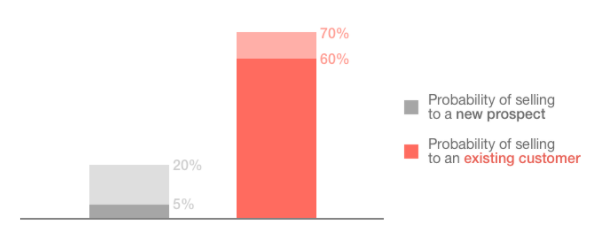
You’ve got a 60-70% chance of selling something to your existing customers. But you’ve got only a 5-20% chance of getting a sale from a prospective customer.

Plus, acquiring a new customer can be up to seven times more expensive than retaining an existing customer.
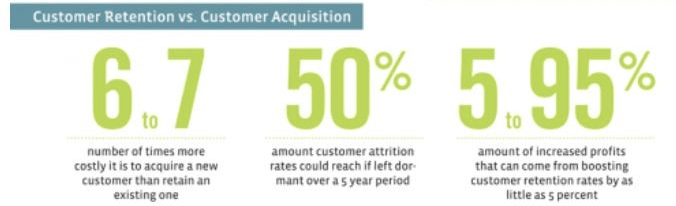
image2 11

Furthermore, a returning customer will spend 67% more money than a new customer.

All of these statistics prove why loyalty is so important, but now it’s up to you to make it happen. If you don’t act fast, one of your competitors could come up with a loyalty program that steals your customers.

Here are some of the best ways to implement a customer loyalty program.

Create a basic point system

Let’s start with something simple. Point systems are a very common way to encourage customer loyalty.

For example, every dollar spent earns the customer one point. Those points can be used to get discounts and promotions. Some of these point systems could have a cash value or be used to make purchases.

You could even give the customer ten points for every dollar spent. It makes them feel as if they are earning more.

Here’s an example of how a credit card issuer uses a point system to encourage customers to spend more money on their cards:
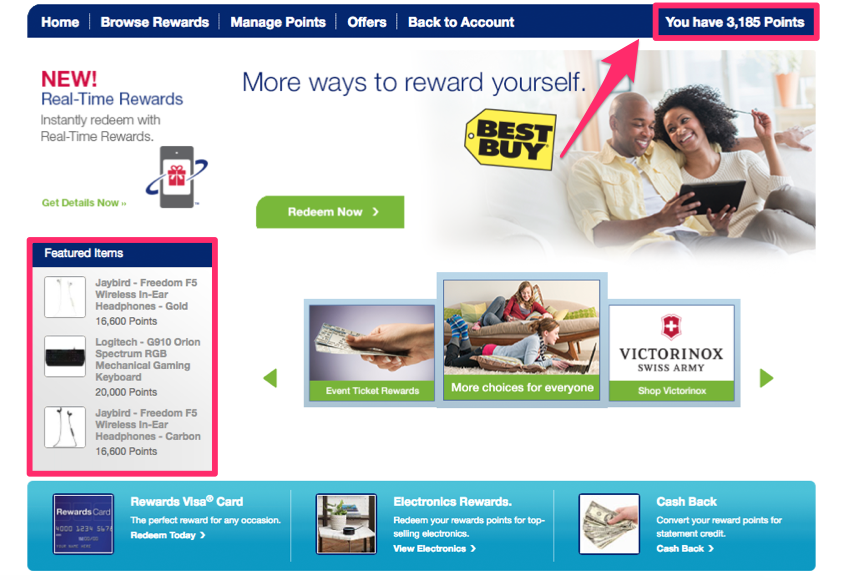
image8 7

Points can be used to purchase electronics or other products through their platform. Customers can track their points by logging into their customer profiles.

If they see something they want, they’ll spend more money to get more points. Eventually, they’ll redeem their points for the reward they want.

It’s a very simple but effective concept. You can easily implement this type of program into your business model.

Charge an annual fee

Charging the customers upfront to participate in the loyalty program is another strategy that has lots of benefits.

For starters, you’re collecting additional money right away whenever someone joins the program. That extra bit of cash can boost your bottom line.

But you’re also still getting the added benefits of customers coming back and spending more money.

If a local pizza shop gives you a punch card and you’re not happy with the pizza, you can just throw the card away and never go back. But that’s not the case if you pay for a loyalty membership.

Amazon Prime is a perfect example of this program in action. They charge customers $99 per year to become a member.
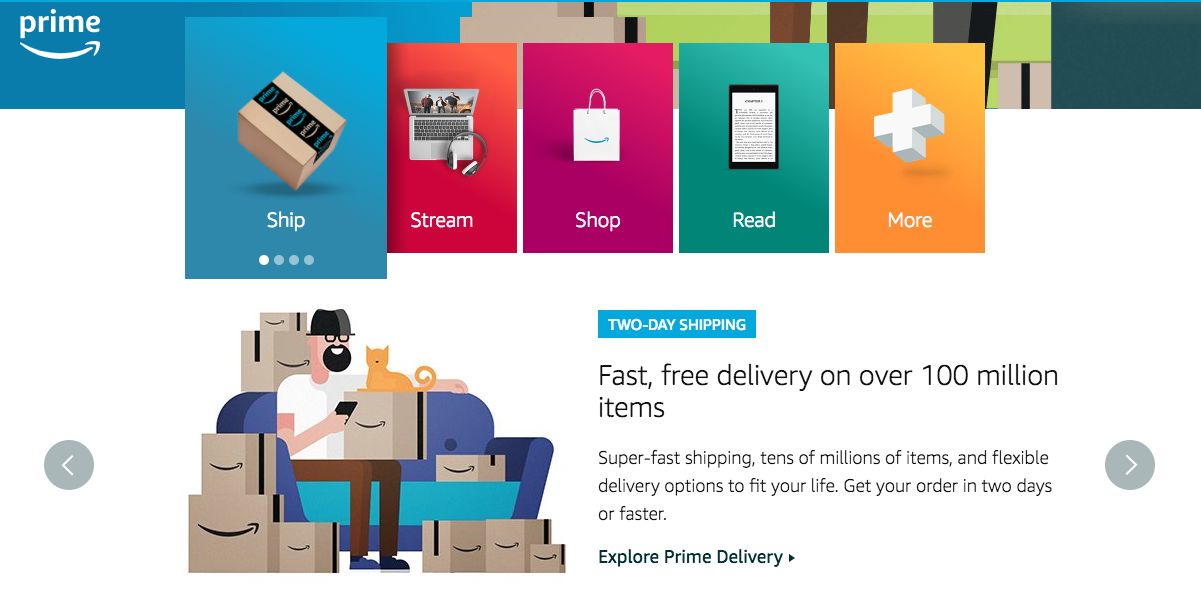
image5 11

One of the top benefits of being an Amazon Prime member is you can get free two-day shipping on your purchases.

Prime customers will always visit Amazon first if they want to buy something before checking out other websites. Why would they pay for shipping or wait a week to get their package when they can get it in 48 hours at no extra cost?

They already paid for the membership, so they might as well use it.

There are other added benefits to this membership, like free TV, movie, and music streaming options.

Use different program tiers based on spending habits

You can also come up with a loyalty program that rewards customers based on how much they spend. It’s one of my favorite strategies.

Implementing this method accomplishes a couple of things. First, it encourages customers to spend more money. But it also rewards your best customers.

A customer who spends $2,500 a year shouldn’t have access to the same rewards system as someone who spends $50, right?

The Sephora Beauty Insider program is one of the best examples of this type of loyalty system:
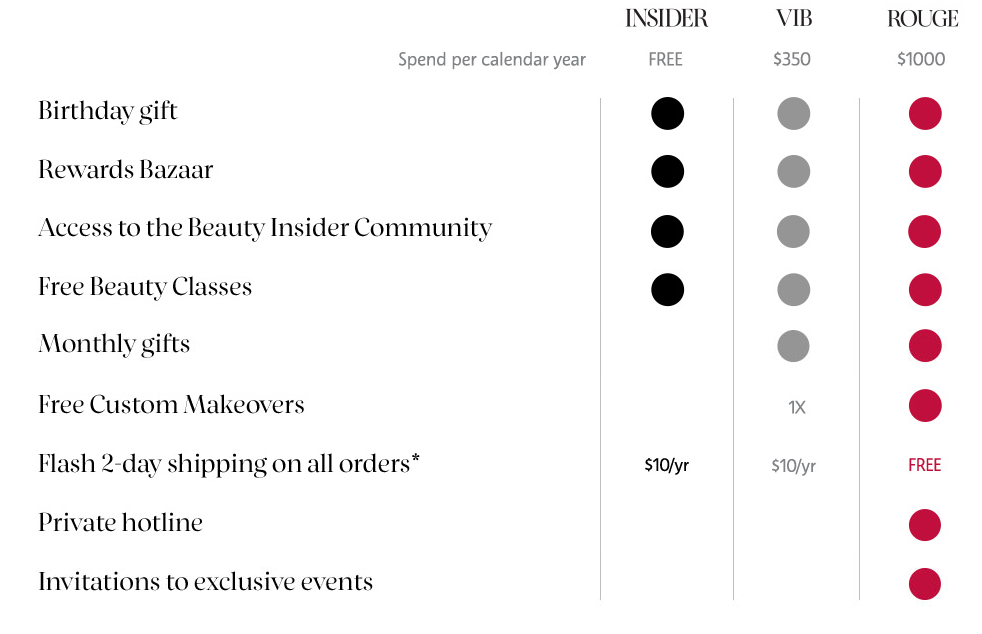
image7 11

It’s a simple concept. Anyone can sign up for free to be an Insider member. This free membership comes with perks like a birthday reward and free beauty classes.

Once an Insider member spends $350 in a calendar year, they get bumped up to VIB status. VIB customers have access to all the Insider benefits plus a couple of extra advantages.

If you’ve got a VIB card, you’ll also get a gift each month and a free custom makeover once a year.

Sephora’s best customers can become Rouge members. This status is only for people who spend more than $1,000 a year. It’s an elite club.

Rouge rewards members get free two-day shipping on all their purchases, unlimited custom makeovers, and invitations to private beauty events. Sephora even has certain products that they sell only to Rouge rewards members.

If you want your top spending customers to get more rewards, you should consider this type of program for your business.

Work with another brand to get more exposure for your loyalty program

Once you come up with a loyalty program, you’ll need to find ways to promote it. Otherwise, your customers won’t know it exists.

But as you know, marketing can be expensive. That’s why you can partner with another company to increase the exposure of both loyalty programs.

You’ll get free promotion every time the partner company pitches the rewards system.

A great example of this strategy is the partnership between Delta and American Express. Here’s a look at one of the cards on the American Express website:
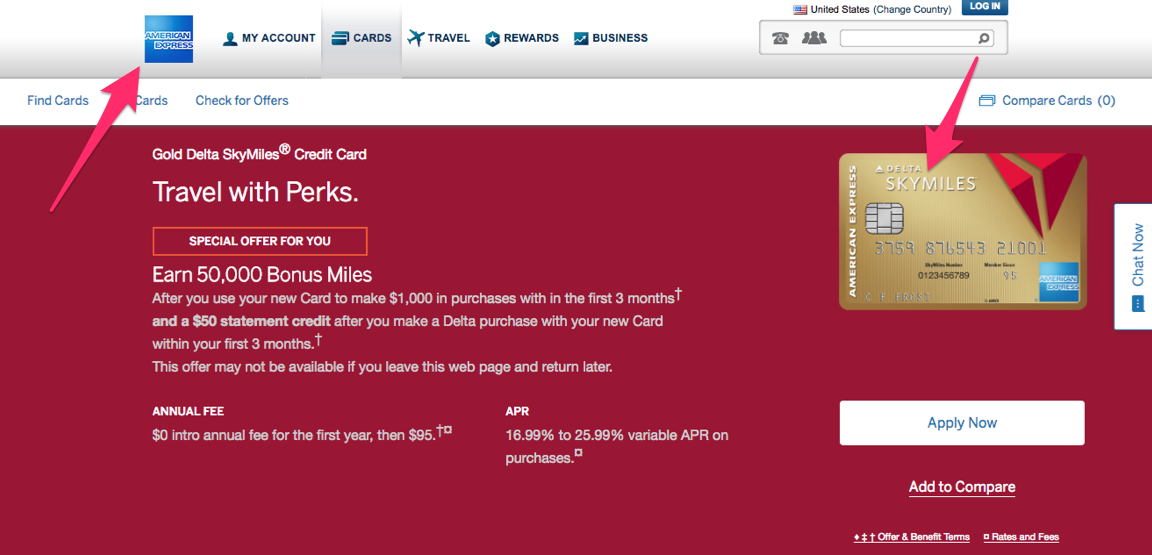
image3 11

They are promoting a Delta SkyMiles card. The card comes with lots of benefits for the customer, the airline, and the credit card.

As a cardholder, you get special treatment whenever you travel with Delta. Card members don’t have to pay to check their bags and get priority boarding benefits.

They also receive discounted in-flight purchases and extra bonus points whenever they make a Delta purchase. Points can be used to get discounted flights.

This card is great for Delta because it encourages cardholders to fly with them as opposed to another airline.

American Express loves this card because it charges an annual fee and can make money on interest.

But the benefits help justify the cost and make the membership worth it to the customer.

As you can see based on everything I just talked about, this strategy of partnering with another company also incorporates some other strategies I talked about previously.

This program uses a points system and also charges an annual fee. So don’t be afraid to mix and match some of these programs.

Turn your loyalty program into a game

Get creative. Your customer loyalty program doesn’t need to be stale and boring. Find a way to spice it up and add some excitement to the mix.

You can create a game that encourages customers to keep buying from your brand. The more they shop, the greater the chances they have of winning the game.

Here’s a great example from Vons grocery store:
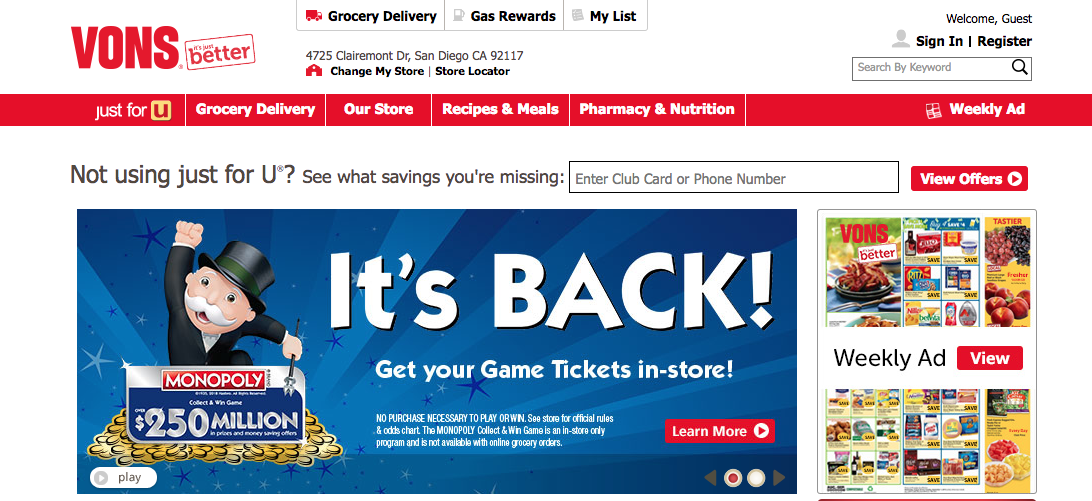
image6 11

They’ve created a Monopoly game for their customers.

Every time customers check out at one of their stores, they receive Monopoly tickets.

They take the tickets home and try to fill a board, which is issued by the store. The tickets and boards are completely random.

When the tickets match the board, customers can get discounts, prizes, and even a chance to win a $250 million jackpot prize.

This type of loyalty program is exciting. The best way for customers to increase their chances of filling the board is by spending more money.

When a receipt gets printed at the store, it tells the cashier how many tickets the customer is eligible for. That way, the customers who spend more money get more tickets.

It’s similar to the loyalty program with the annual pricing tiers I discussed earlier, except instead of the spending being rewarded on an annual basis, it’s rewarded based on how much was spent per visit.

Create a loyalty program that focuses on your company mission

You can also come up with a loyalty program that speaks to customers who have the same vision and mission as your company.

This is different from the other types of systems I’ve discussed so far. It also depends on the type of company you have.

The TOMS’ One for One campaign is a great example of this method:
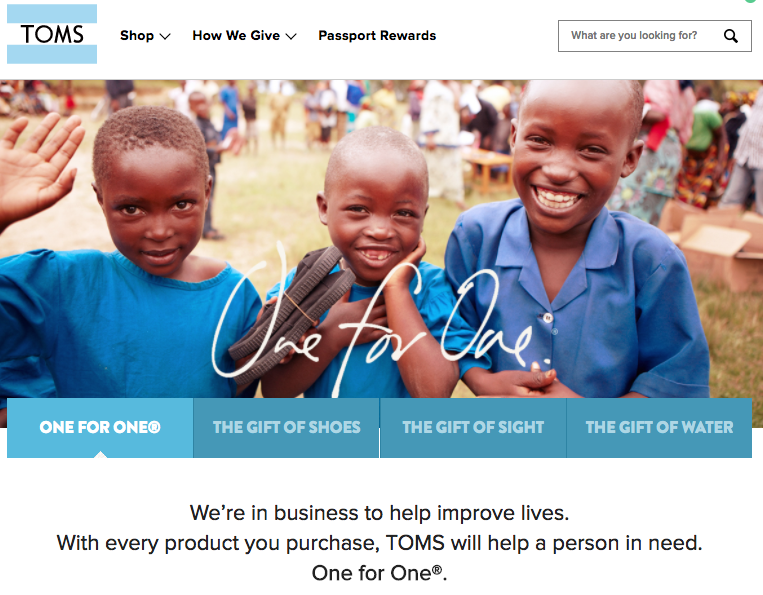
image4 11

It’s a simple concept. For every product purchased from TOMS, the company will help a person in need.

The idea started like this. TOMS would donate a pair of shoes to a child in need every time a pair of shoes was purchased on its website. If you buy ten pairs of shoes, ten pairs of shoes would get donated.

But since then, the program has evolved to help underprivileged people in countries all over the world in more ways than just providing them with shoes.

The TOMS customers get a different type of reward. It’s a reward of helping other people.

Rather than getting points or getting gifts for themselves, the TOMS customers would rather help people who need it more.

If your company has a mission or vision similar to this one, make sure you promote this to your customers. You’ll still be able to create a sense of customer loyalty in those people who are in the giving spirit and want to help.

Conclusion

Creating a customer loyalty program is a great way to drive sales.

It doesn’t matter whether you’re a brick-and-mortar small business or a global ecommerce platform, this strategy will help your company grow.

That’s because it focuses on customer retention. It’s cheaper to market to your current customers than to find new ones. Plus, your loyal customers spend more money.

Rewards programs keep these customers coming back.

Try something simple, e.g., a basic points system. You could also charge members an annual fee to collect extra money upfront.

Consider creating a tiered program that rewards customers who spend the most money. Partner with another brand or turn your program into a game.

As you can see from the examples I’ve discussed, you can even combine some of these strategies together.

If you follow these tips, you’ll notice an increase in sales.

What type of strategy does your company use to retain customers with a loyalty program?


from Quick Sprout http://ift.tt/2DCYgEP

Friday, March 16, 2018

How To Make A Million Dollars In The Next Five Years

make a million dollars

Achieving a net worth of one million dollars is a goal a lot of people share. That’s probably because they see it as being enough money to retire on, or to live the lifestyle of their dreams. You also automatically…

The post How To Make A Million Dollars In The Next Five Years appeared first on Niche Pursuits.


from Niche Pursuits http://ift.tt/2GAiuSC

How to Segment Your Target Audience with Generational Marketing

It’s no secret that people from different generations have different values, mindsets, and behaviors. As a business, you’ve to use this concept to your advantage.

All too often I see companies that launch a broad stroke marketing campaign in an attempt to reach as many customers as possible.

While I commend the approach and thought process, it’s an ineffective strategy.

It’s much more effective to segment your marketing campaigns based on different generations. Don’t try to reach Millennials and Baby Boomers with the same advertisement.

Rather than speaking to both of these generations, you’re campaign will end up being a complete miss.

I created this guide to show you how you can use behavioral analysis improve your marketing campaigns. By segmenting your target audience, you’ll be able to enhance customer engagement and increase conversions.

I’ll explain the differences between:

  • The Silent Generation
  • Baby Boomers
  • Generation X
  • Millennials
  • Generation Z

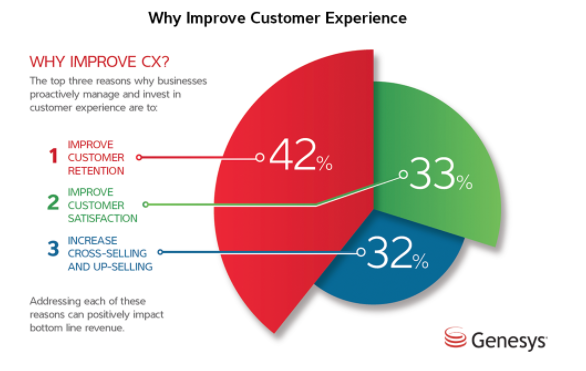
Understanding how these different generations think and behave will ultimately help you improve the customer experience.

image3 13

This is valuable information for every business because your customers fall into one of those generational categories.

Depending on the size and scale of your company, you may even have customers from several of these generations. While other businesses may be in a niche category and only be targeting one of these market segments.

Regardless of your situation, this analysis will help improve your business. Here’s what you need to know about each generation.

The Silent Generation

People who were born roughly between 1925 and 1942 are members of the Silent Generation. This generation is also known as the “Lucky Few.”

This group of individuals is patriotic. They grew up living and serving during World War II, the Korean War, and the Vietnam War.

As far as their racial makeup is concerned, 78% of the Silent Generation is white.

The majority of them did not pursue higher education. In fact, only 20% of women and 32% of men in the Silent Generation of a Bachelor’s degree.

They focused more on working and earning money, as opposed to going to school. That’s because their parents grew up during the Great Depression, so this group learned the value of a dollar.

While companies may overlook the Silent Generation because of their age, there are still over 28 million of them alive today.

So how can you reach them? You can still use digital marketing tactics to target the Silent Generation.

image2 13

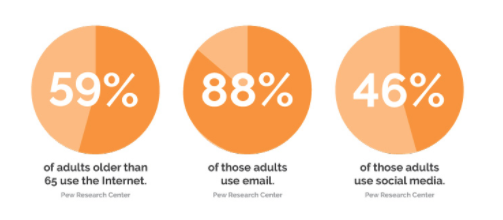
Nearly 60% of people over the age of 65 are active on the Internet, and almost 90% of them use email.

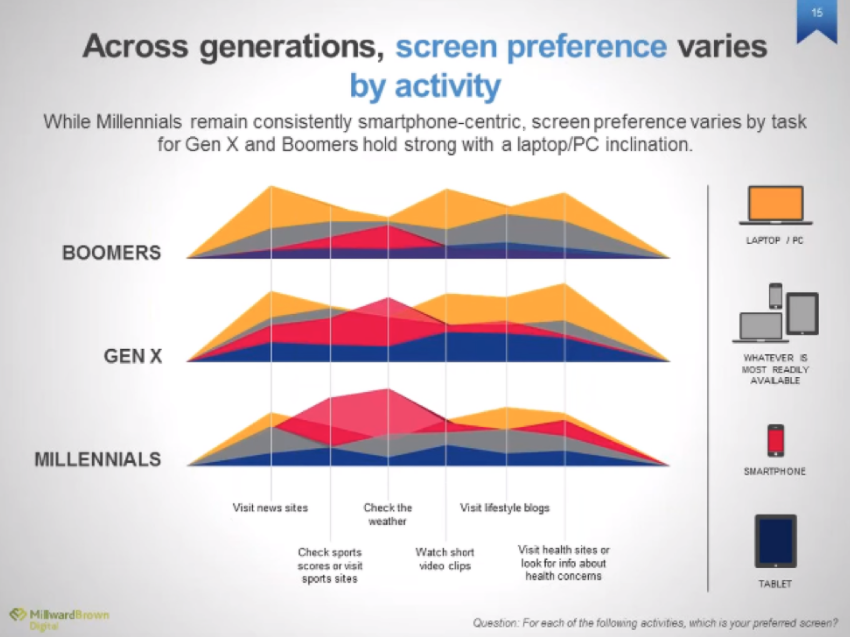
The majority of their digital consumption is done on a computer. Research shows that only 22% of senior citizens own a smartphone.

If you’re targeting the Silent Generation, you can also use more traditional marketing tactics like print media. They grew up reading newspapers, so they’re used to this.

Make sure that you create big advertisements with large font. You want to make sure that it’s easy for them to read. Don’t use colors that are too bright and difficult to see. Try to come up with a campaign that speaks directly to them.

For example, look back at some of the information that we previously discussed. You could use an American flag, or other patriotic symbols to get their attention.

Try using keywords like “how to save money” and put emphasis on the deal that you’re offering.

Television is one of the best ways to reach the Silent Generation. Studies show that this group watches more than 51 hours of TV per week.

While this number is staggeringly higher than other generations, it also suggests that they aren’t skipping over commercials.

Baby Boomers

Baby Boomers were born after World War II. While the dates of their birth aren’t exact, anyone who was born during the mid 1940s to early 1960s falls into this category.

This generation really wants to get a great value out of their purchasing decisions. So if you’re targeting Baby Boomers, you’ve got a great chance to upsell your existing customers.

image1 13

But with that said, these upsells have a greater chance of success if they’re pitched in person or over the phone.

As Baby Boomers enter and approach their retirement years, they are more financially stable. So they may be willing to splurge a little bit more when it comes to their spending habits.

Baby Boomers are loyal to their favorite brands. This is especially true for specific industries, such as household goods, health, beauty, food, and beverage.

Although Baby Boomers are considered to be an older generation, it doesn’t mean that they don’t have an active Internet presence. Even though they prefer to speak to someone in person, they still spend time shopping online.

In fact, 70% of Baby Boomers make a purchase on Amazon at least one time per month. More than half of Baby Boomers use the Internet for 15 hours per week.

This generation is a great target audience because you’ve got so many options to reach them. They will still come to your physical store locations to speak to your customer service representatives, but they’re also willing and able to shop online.

So as a marketer, you’ve got the best of both worlds here.

Even though Baby Boomers will shop on your ecommerce store, it’s unlikely that they’ll do it from a smartphone or tablet.

image8 9

Only 13% of Baby Boomers use smartphones to shop online. 18% of them use tablets for ecommerce shopping.

So if you’re trying to target this generation through mobile marketing tactics or push notifications, it won’t be effective. Your best bet is to focus on their experience navigating from a laptop or desktop computer.

They conduct research before rushing into a purchasing decision. So you’re not going to have much luck trying to target impulse buyers from this group.

When it comes to their online habits, Baby Boomers are doing much more than just shopping. More than 82% of this generation has at least one social media profile.

You definitely need to use your social media marketing strategies to drive traffic to your ecommerce landing pages if you want to effectively target Baby Boomers.

Just make sure that you’ve got plenty of information about your products and services available online. This will make it easier for them to conduct research.

It’s also a bonus if you make it easy for them to contact your customer service team over the phone or in person.

Generation X

Generation X is commonly referred to as Gen X for short. They were born between the mid 1960s and early 1980s.

This is a family oriented group of people who definitely enjoys new technology. People from Gen X lived through important historical events and the civil rights era.

With such a large age difference between the oldest and youngest members of Gen X, it can be tricky from a marketing perspective.

The oldest people from Gen X have some traits that are very similar to the Baby Boomers that preceded them. While the younger members behave more like Millennials, which we’ll discuss shortly.

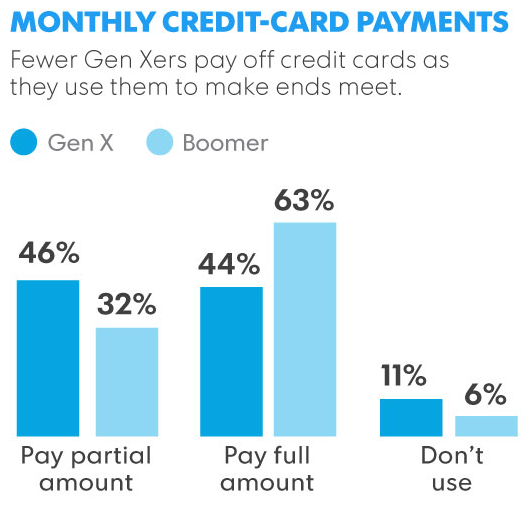
Regardless of their age, one thing that’s common across the board for this generation is their dependence on credit cards.

76% of Gen X got their first credit card by the time they turned 24. As a result, they’re used to carrying around credit card debt.

image7 13

As you can see, less than half of Gen X pays their credit card bills in full. But with that said, this generation still has the reputation for being financially responsible and independent.

That’s because Gen X has other debt to worry about in addition to their credit card bills. The average mortgage debt for Gen X is $144,000.

This number is 60% higher than the generations preceding them. From a marketing perspective, you’ve got to use this information to your advantage.

They are homeowners who use credit cards. So your marketing campaigns should encompass both of these elements.

Millennials

Millennials are also known as Generation Y. They were born between the mid 1980s and mid 1990s.

According to the Pew Research Center, as of April 2016, Millennials exceeded Baby Boomers in terms of population size in the United States.

Compared to previous generations, Millennials are more conscious of the world around them. They like businesses that care about the environment and giving to people in need.

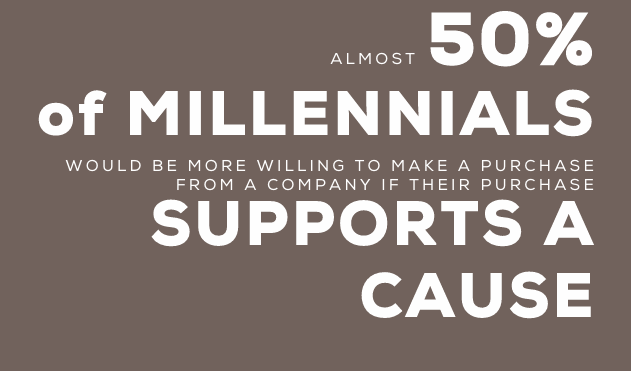
In fact, nearly half of Millennials are more likely to buy something from a business that contributes to a greater cause.

image4 13

37% of this group said that they would even be willing to spend more money on a product or service if it meant that it was supporting a cause that they believed in.

This generation has adapted to technology much earlier and faster than previous generations. 56% of Millennials are the first people to try out a new form of technology.

They love creating content and posting original photos and videos on the Internet, especially on social media platforms.

Millennials want entertainment from brands. They also want to be part of the creation process and they love to have their feedback heard.

More than two-thirds of Millennials want to provide feedback to a brand, whether or not they had an enjoyable or poor experience.

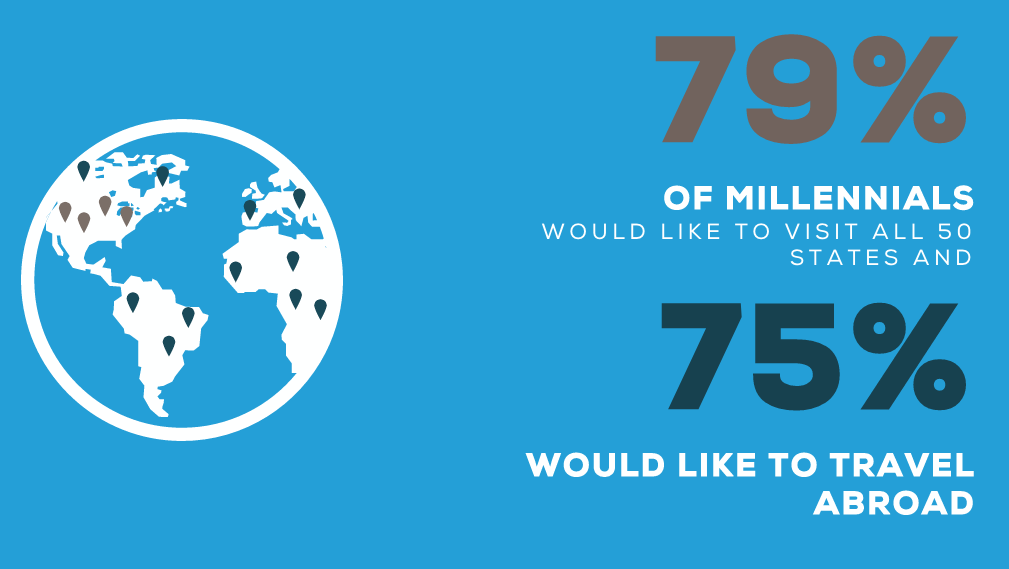
This generation loves to travel.

image6 13

How can you use all of this information to your advantage as a marketer?

For starters, don’t be shy about your affiliations with nonprofit organizations and other charities. If you’re not making any donations to help certain causes, consider trying it out if you want to target more Millennials.

As you could see from the research, you might even be able to charge more for your products and services if you take this approach.

Encourage user-generated content on social media. Ask your customers for feedback in the form of surveys and interviews.

Come up with marketing campaigns that show how your products and services can benefit people who are traveling.

Generation Z

Generation Z, known as Gen Z, the iGeneration, Post-Millennials, or the Homeland Generation is the newest group of consumers for brands to target.

The oldest members of Gen Z are just graduating college. This means that they are getting full-time jobs. With those jobs come full-time salaries.

As a marketer, this is a great opportunity for you to target people who just recently acquired an increase in spending power.

Just like Millennials, Generation Z also cares about the planet. 78% of Gen Z are worried about world hunger and 76% are concerned about humanity’s impact on the planet.

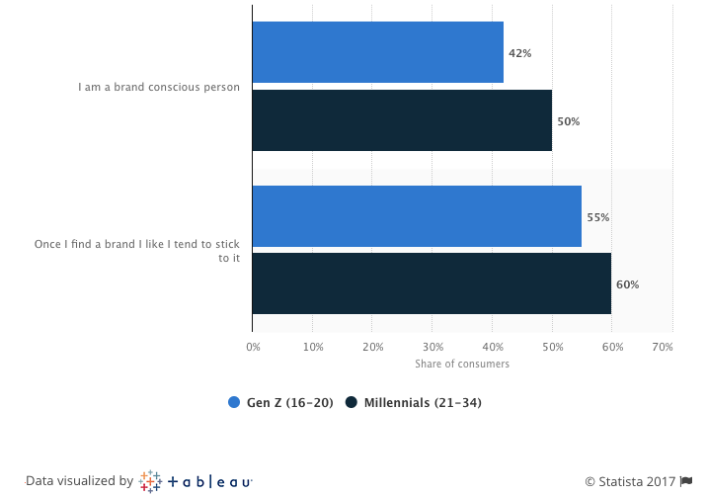
Brand loyalty isn’t that important to this generation. They care more about quality than loyalty.

image5 13

The best way to reach Gen Z is through social media. But don’t use Facebook. There’s been a decline in Facebook usage amongst this age group.

Instead, you’ve got to bump up your presence on Snapchat and YouTube.

71% of Gen Z use Snapchat every day. 51% of them use it 11 times daily. Gen Z watches between 2 to 4 hours of YouTube video each day as well.

They watch YouTube videos more than television. Do you remember earlier when I said that the Silent Generation watches 51 hours of TV per week? Well Gen Z only watches about 3.5 hours TV each week.

Talk about a major difference between the two groups.

They enjoy using multiple digital media consumption platforms simultaneously. That’s because their average attention span is only 8 seconds.

When you’re marketing to Gen Z, just keep all of this information in mind. You can reach them on the social platforms that they use the most.

Just because they bought something from your brand in the past, it doesn’t mean that they will be loyal if you didn’t have great quality.

Conclusion

Successful businesses understand their customers. Your products and services need to add value to the customer’s life and your marketing campaigns need to reflect this.

But with so many differences between generations, you’ll need to segment your target audience based on the campaign you’re running.

A print advertisement that you made to target the Silent Generation won’t penetrate your Millennial audience.

Your Snapchat ads designed for Gen Z won’t have an impact on Baby Boomers.

Figuring out who you want to target and how you’re going to reach them will increase your conversion rates and ultimately make you more money.

How are you using generational marketing tactics to segment your target audience?


from Quick Sprout http://ift.tt/2G2lTfg

Thursday, March 15, 2018

How To Make Extra Money Online Without Ever Leaving Your House

Yes, you can make extra money online. Yes, all you need is a laptop and an internet connection. And yes, you will need a solid work ethic. Lots of people will make it seem super easy to get paid by…

The post How To Make Extra Money Online Without Ever Leaving Your House appeared first on Niche Pursuits.


from Niche Pursuits http://ift.tt/2DvtzBc

Wednesday, March 14, 2018

How to Optimize Your Mobile Website for Google Searches

It’s no secret we’re living in a mobile world. I’m hoping that by now, most of you have recognized this and adapted accordingly.

While having a mobile-friendly website is a great start, it’s not enough to drive traffic to your site. You also need to make sure your mobile website is optimized for Google searches.

More than half of people don’t look beyond the first page of a Google search. If your mobile site isn’t in the top few spots, people will find alternative pages to click.

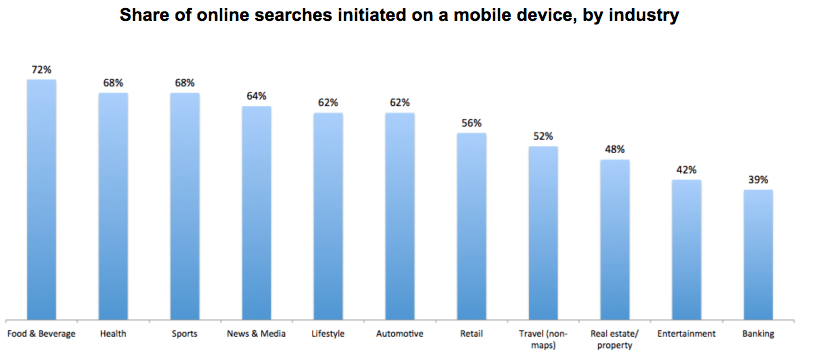
Roughly 60% of searches come from mobile devices.

image1 2

As you can see from the data, the results vary by industry. But overall, Google searches from smartphones and tablets have surpassed searches from computers.

According to research from Statista, 52.2% of all global web traffic comes from mobile devices. This number has been growing each year for the past decade.

We’re not seeing any signs of these mobile trends slowing down. In fact, we can expect to see the opposite.

Mobile search popularity will continue to grow. That’s why your website needs to stay ahead of the game. If you want to be successful, you must optimize your mobile site for Google searches.

If you don’t know where to begin, I’m here to help.

As an expert in this space, I’ll share with you what you can start doing immediately to improve your mobile search ranking. Here’s what you need to know.

Focus on speed

You should be familiar with this idea. That’s because speed is a factor that improves your search engine optimization for desktop sites as well.

But pages load differently on mobile devices. Just because your website is fast on a desktop or laptop doesn’t mean the speed will translate to phones and tablets.

Websites that load fast generate more leads for businesses. Furthermore, faster mobile sites get ranked higher according to Google’s algorithm.

Did you know the top link on Google has a 33% chance of getting clicked?

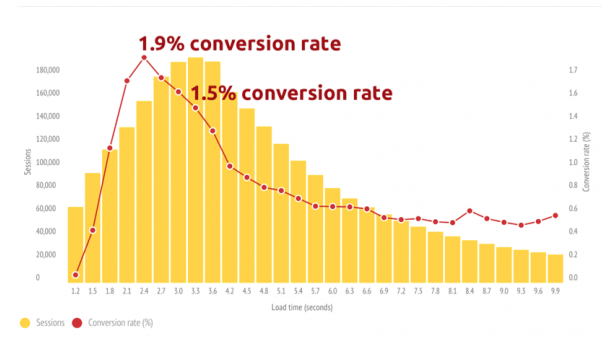
You won’t get the opportunity to be the top search result if your page is slow. There is a direct correlation between page loading speed and conversion rates.

image7 2

Getting your mobile site to load just one second faster can increase conversions by up to 27%.

What’s even more interesting is that the slower your mobile pages load, the higher your bounce rate will be. Mobile websites loading in 3.3 seconds have a 20% bounce rate.

You may not think 3.3 seconds is slow, but clearly people visiting your website do.

High bounce rates will adversely affect your Google search ranking from mobile devices.

How can you speed up your mobile site? Try to use minify code. Minify helps compress any code from its original size to the smallest size possible, without altering the code’s operations.

Basically, it makes modifications by removing unneeded characters from your code such as white space and new lines. This can reduce the size of your code by up to 95%.

In addition to compressing your code, you can also decrease HTTP requests, lower your server response time, use a CDN, and use RFPL caching to speed up your mobile site.

Use accelerated mobile pages (AMP)

As of 2016, Google officially integrated accelerated mobile pages into its mobile search algorithm.

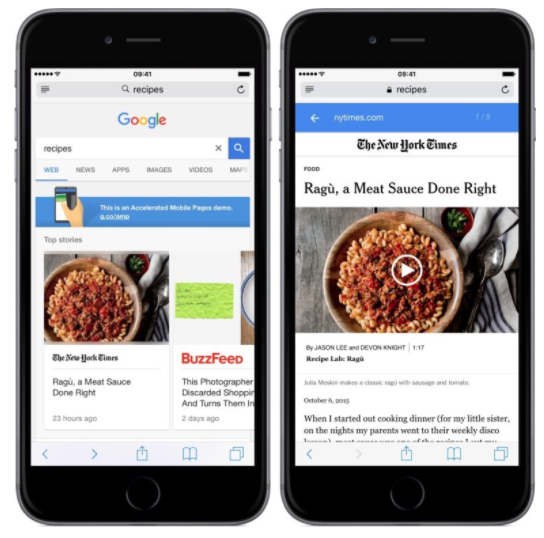
Here’s an example of what an AMP search result looks like from The New York Times:

image3 2

When someone searches on Google, the AMP links appear at the top. When a page gets clicked, it loads nearly instantaneously.

Here’s how it works. Rather than hosting these pages on their own servers, Google uses a cached display of the mobile website from the original publisher.

That’s why it loads so fast without redirecting to the actual website.

Take a look again at the screenshot above of the AMP article from The New York Times. Notice that the top search bar is still a Google link as opposed to a link to The New York Times website.

There are three major components to building AMP pages:

  • AMP HTML
  • AMP JS
  • AMP Cache

The AMP HTML is completely redesigned. This code uses custom commands to create dynamic content specifically intended for mobile devices.

Implementing AMP HTML makes it easy for you to code common patterns.

The AMP JS guarantees that all of your AMP HTML pages get rendered as fast as possible. You can manage all your resource loading with the AMP JS library.

Since all these external resources are asynchronous, nothing on the page can be prevented from rendering.

The Google AMP Cache automatically improves the performance of your AMP site. That’s because it fetches and caches all AMP HTML sites using a proxy-based delivery network for your content.

Select a responsive web design

Responsive web designs are also part of Google’s mobile search algorithm. Sites with a responsive design will get priority rankings.

The idea of a responsive web design is quite simple. You’ve got to code your HTML to adapt to various screen sizes as well as orientations.

In other words, your mobile pages need to respond well and look the same whether someone is using a 4-inch iPhone SE in a portrait orientation or a 10-inch Samsung tablet in a landscape orientation.

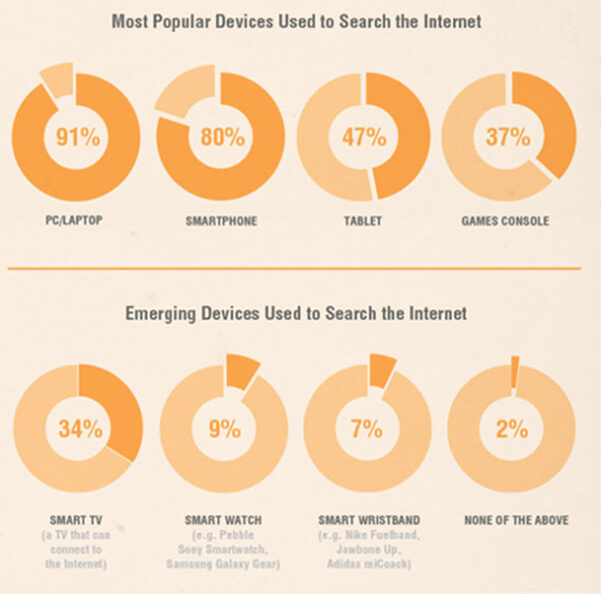
You need to take all different devices into consideration when you’re implementing a responsive web design:

image6 2

I know right now we’re focusing on mobile devices. But that doesn’t mean you should ignore the fact that people are also using video game consoles, smart TVs, and even smart watches to search the Internet.

Compress images without compromising the quality

Earlier I explained you should compress your code to speed up your page loading time. You should apply the same concept to your images.

If you’ve been reading my blog for a while now, you know I like to use lots of images within my content. I’m not saying you should eliminate images completely from your mobile site.

But you need to compress the big files. Your best bet is PNG files. You can compress PNG photos up to 95% in Photoshop without compromising the quality of your pictures.

Doing this will take you some time. But it’s worth it in the long run.

Get rid of flash

While fancy animations and designs with flash may seem like a good idea in theory, they don’t help you with your mobile search optimization.

Websites with simple designs have higher conversion rates. Don’t believe me? Look at some of the mobile pages for the most popular companies you can think of.

They don’t have flashing lights or fancy bells and whistles to draw attention.

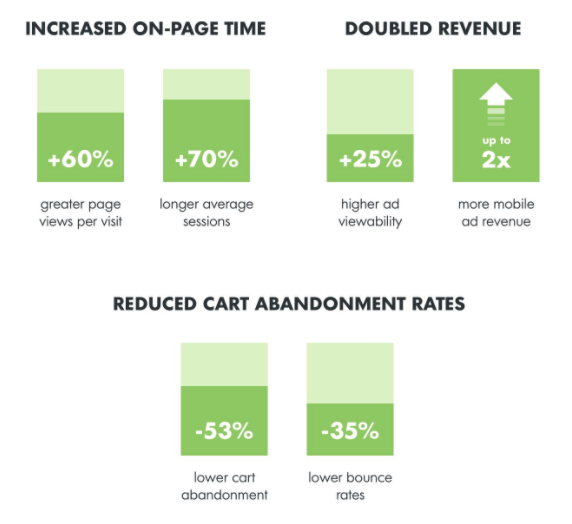
Plus, flash slows things down tremendously. I already discussed how important the speed is. Take a look at what happens when mobile websites load fast:

image2 2

All of these elements help improve your business and make you more money. But they also improve your Google search ranking from mobile devices.

You’re better off eliminating flash completely from your mobile pages. Save it for when you’re designing a mobile gaming app instead.

Analyze the layout of your mobile site

So far I’ve been pretty technical. But sometimes you need to take a step back and look at the design of your mobile website.

Just for a minute, forget about your code, speed, or anything else that might confuse you. Check out things like the font size and points of emphasis on the page.

What draws your attention?

If you’ve used platforms such as Crazy Egg to analyze heat maps of the way website visitors browse on your desktop website, you can’t expect those results to be the same on your mobile pages.

You also need to take into consideration some other things.

Understand that people aren’t using a mouse to navigate. They’re using their fingers. Make sure all your buttons are far enough from each other and large enough to tap with a finger. Otherwise, the user experience will suffer.

If people have problems on your mobile site, it’s going to impact how frequently they use it, which can translate to poor search rankings.

Your mobile site needs to have a smooth navigation.

Use free tools to make sure your site is mobile friendly

At the end of the day, you’ve got to make sure your website has a mobile-friendly design.

If you’re trying to improve your mobile search ranking for Google, the most obvious tool to use is the Mobile-Friendly Test from the Google Search Console.

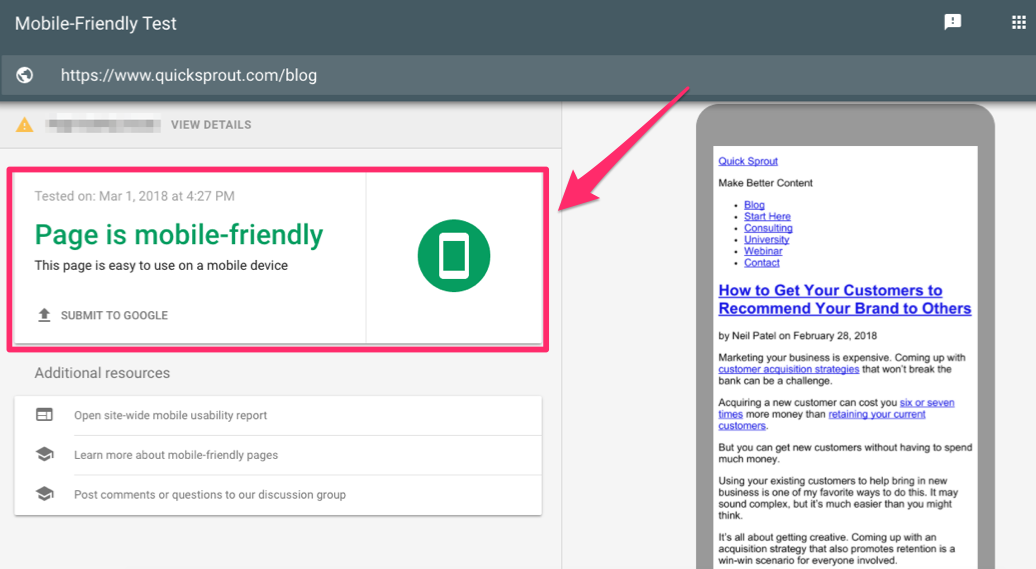
Here’s what the results looked like when I tested Quick Sprout through their program:

image4 2

It’s simple and straightforward. My results showed Quick Sprout is easy to use on mobile devices.

If your website doesn’t do well on the test, use Google’s tools to fix the problem.

For those of you who are confused or don’t understand what these reports mean, you can always submit questions to forums or contact live customer support.

You can also check to see a more detailed description of where your mobile search traffic is coming from.

That way, you can segment your data and ultimately improve the customer experience while optimizing your mobile search results at the same time.

Recognize how people search from mobile devices

People don’t use their mobile devices the same way they use their computers.

Think about your own search behavior, and you’ll see what I’m talking about. When you’re sitting a computer, you’ve got plenty of time. You have two hands on the keyboard and can type long search phrases with ease.

But when you’re browsing on a mobile device, you’re on the go. Maybe you’re standing at an intersection, waiting to cross the street. Or maybe you’re in line at a coffee shop.

Recent studies show 29% of people browse the Internet while driving!

This means people are in a rush and more likely to make mistakes when conducting their searches.

You need to tag your content based on how people search from their mobile devices.

I’m not saying you need to purposely add typing mistakes or improper grammar. But you can still find clever ways to add shortened keywords to your mobile site.

Google has a 78 character title limit for mobile devices. For desktops, it’s 70. You can add more characters to your mobile titles to try to get more exact search matches from mobile users.

Eliminate pop-ups

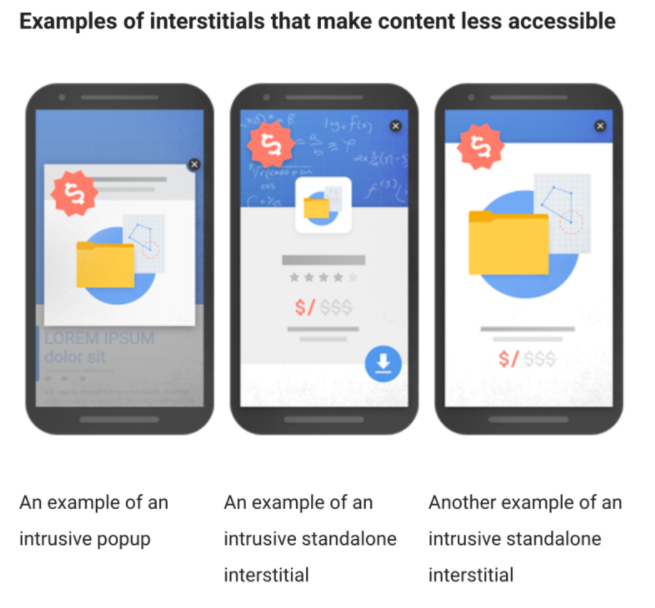
As of January 10, 2017, Google released an update to its mobile algorithm that penalizes sites for not making content easily accessible during transitions from mobile search results.

Basically, your ranking will be negatively impacted if you have pop-ups hindering the user experience.

Here are some examples of pop-ups that Google considers to be intrusive:

image5 2

Having pop-ups won’t make or break your success on Google’s search results. There are plenty of other elements that get factored into this algorithm as well.

However, when Google tells you it’s making specific changes to its algorithm, you’d be wise to follow its advice.

Get rid of your pop-ups.

Conclusion

People use their mobile devices to search the Internet.

To ensure you have the best chance of reaching a wide audience, your website needs to be optimized for mobile searches.

Make sure your mobile pages load fast. Compress your code, eliminate flash, and reduce the file sizes of your images.

Get rid of pop-ups.

Create an accelerated mobile page that has a responsive web design.

Understand that people don’t search the same way on mobile devices as they do on their computers.

Review the layout of your website, and use free tools to test whether your website is mobile-friendly.

If you follow these tips, you’ll get ranked higher on Google search results from mobile devices.

What changes have you made to your website to improve your mobile search ranking?


from Quick Sprout http://ift.tt/2FAsApx

Monday, March 12, 2018

How to Use Micro Influencers to Increase Your Product Credibility

Not every business is a household name. If you’re a small or medium-sized company, it’s not always easy to promote yourself and compete with the big brands.

Your products might be great, but if nobody knows about you, it won’t be easy to sell. Even if someone stumbles upon your website, products, or social media pages, they may wonder whether you’re legitimate.

That’s why you need to come up with clever ways to add credibility to your brand and products.

Start by including elements that add credibility to your website. But that alone won’t always do the trick.

Using micro influencers is one of my favorite ways to add credibility to your products and promote your brand. I’m such a believer in this strategy that it made my list of the top marketing trends of 2018.

What exactly is a micro influencer? They are defined as people who have between 1k and 100k followers on social media.

In 2016, 94% of marketers reported their influencer marketing tactics were effective. With such a high success rate, what’s stopping your company from using this strategy?

If you’ve been interested in bringing micro influencers on board to help your marketing campaigns, now is your chance. I’ll tell you everything you need to know about how to use micro influencers effectively to increase your product credibility and brand awareness.

Why you should work with micro influencers

One of the top reasons why it’s appealing to work with micro influencers is because it’s cost-effective.

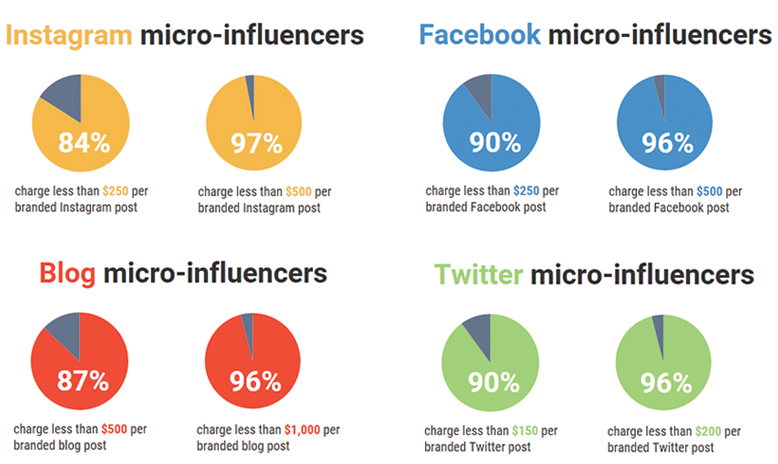
Take a look at some of the prices you can expect to pay influencers to have them post your products on different platforms:

image7 1

These numbers will vary based on whom you’re working with, the number of followers they have, and the type of post you’re asking for. However, this is still a good price gauge.

For the most part, micro influencers are just regular people. They’re not famous. They have regular jobs but just happen to have large social media followings.

The reason why I’m bringing this up is because you can use this knowledge to your advantage. If they aren’t used to branding themselves as a business, you could get away with not paying them at all.

Rather than sending money, you could start your initial negotiations offering free products.

If it’s the first time a brand has reached out to them, they might accept your offer and be excited to get some free stuff. You could also send them a gift card or something else of similar value.

Most micro influencers won’t have an agent, so you’ll be communicating with them directly. This should make negotiations much smoother.

Negotiations may not be so simple if you’re working with middle influencers, macro influencers, or celebrities. These people have between 100k-500k followers, 500k-1 million followers, and more than 1 million followers, respectively.

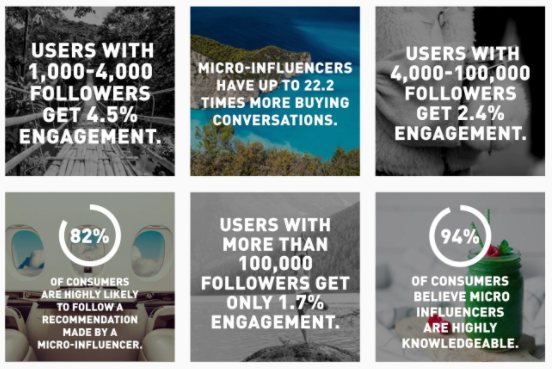
Another reason why it’s better to work with micro influencers is because the engagement with their followers is very high.

image1 1

As you can see from these numbers, people trust micro influencers. This trust and engagement add credibility to your products and lead to buying conversions.

That’s because people can relate to micro influencers. They don’t view them the same way they view a celebrity.

Research shows 70% of consumers check social media before making a buying decision. It makes sense for you to work with people who already have a strong presence on these channels.

Finding the right influencers for your brand

Now that you’ve decided you want to work with micro influencers, where do you find them?

Don’t pick someone randomly. Make sure your influencers are aligned with your company image.

As I said before, the majority of these influencers are just regular people. Investigate them through their social media profiles before you have them represent your brand.

The last thing you want to do is work with someone who compromises your brand’s reputation. You also want to make sure you’re not working with micro influencers who represent brands in conflict with your products.

For example, let’s say you run a local business that creates vegan products. Preventing animal cruelty is part of your brand’s mission statement.

You shouldn’t work with a micro influencer promoting companies selling leather jackets or delivering steaks to their customers’ doorsteps. It just doesn’t fit with your brand.

Plus, if your customers find out you’re paying someone like this, they may think your mission statement is fraudulent. This discredits your brand, which is the opposite of what you’re trying to accomplish.

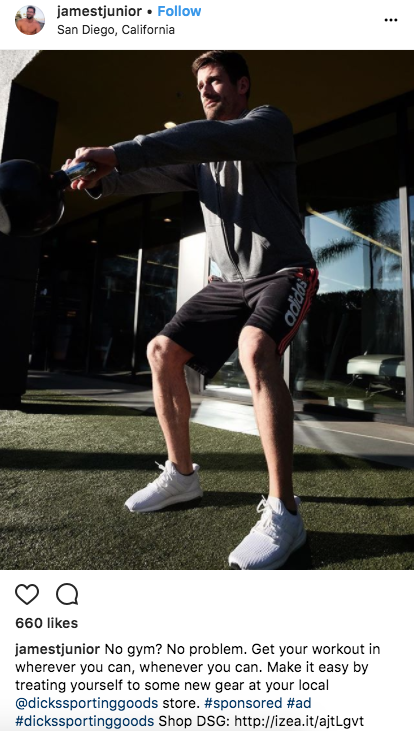
Let me show you a perfect example of a micro influencer that fits well with a brand. Check out this post from James Tollefson’s Instagram profile:

image5 1

As a fitness enthusiast with more than 14k followers, James is the perfect candidate for this branded post featuring Dick’s Sporting Goods.

If a successful national chain such as Dick’s believes in using micro influencers, your business should be doing it as well.

Start with your existing followers. It’s easier to work with someone who already knows about your brand and may own some of your products already.

Who knows, maybe they’ve even posted about your company in the past. Take some time to find out whether anyone who has posted about your brand on social media has lots of followers.

This is a logical place to start your search.

Use tools to help you analyze potential influencers

Although going through your current followers manually, trying to find people with the most followers, may work for some businesses, it’s not reasonable if you’ve got a ton of followers.

Instead, you’ll need to use tools to help you get matched with micro influencers. There are platforms that exist solely to connect micro influencers with brands.

Klear is a great place for you to start. The system analyzes over 500 million profiles across 60k different categories from the last five years.

It allows you to narrow down your search by network, such as Twitter, Instagram, YouTube, or blogs.

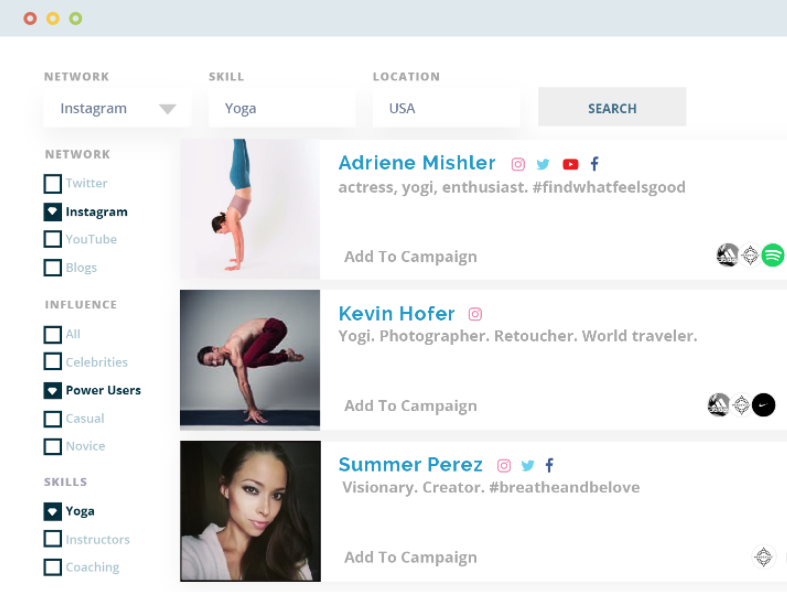
Here’s an example of what your search results would look like if you were looking for someone to promote your yoga brand in the United States via Instagram:

image3 1

If you want to work with influencers on this network, you can connect with them directly through this platform.

You can even work with multiple influencers for each campaign. After, you’ll see the analytics for each one with valuable information such as:

  • mentions
  • engagement
  • reach

Klear shows you this information for each influencer on all the social platforms they’re using to promote your products.

That way it’s easier for you to measure which influencers are having the most success with your brand. These are the people you’ll want to work with in the future, but I’ll discuss that in greater detail later.

There’s another reason why you should use tools to analyze your micro influencers. You can’t just assume you know their target audience.

For example, let’s say your company is targeting males between the ages of 18 and 26 who live in or around New York City.

You find a prospective influencer who is a 22-year-old male living in Manhattan with 20k Instagram followers. Perfect, right? Not so fast.

Just because a micro influencer fits your target market doesn’t mean their followers do too. If 80% of this person’s followers are females living in California, you’ll want to look for another micro influencer to represent your products.

If you don’t want to pay for software that connects you with micro influencers, you can still get this data free.

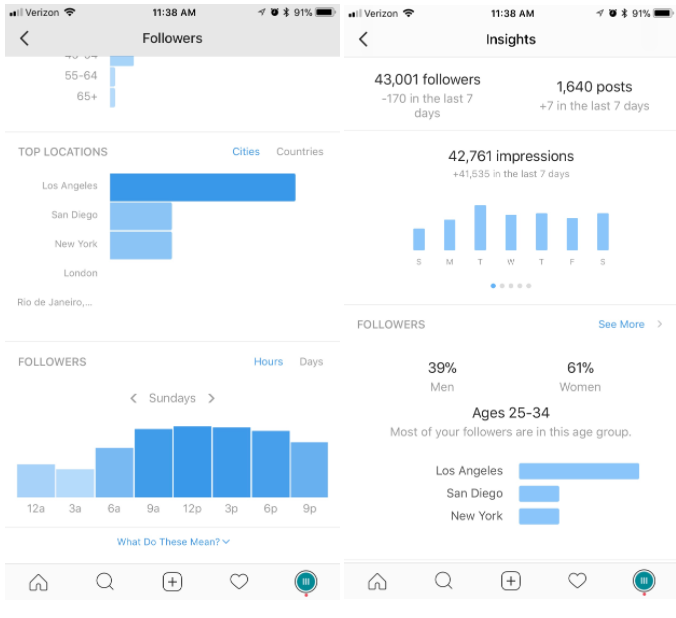
Micro influencers with Instagram business accounts have detailed analytics and insights about their followers. Just ask them to send you screenshots of this information.

Here’s an example of what this data looks like:

image2 1

This will help you make sure your micro influencers have the same followers that fit your target market for specific products and campaigns.

As a result, you’ll see a higher rate of engagement, which increases the credibility of whatever you’re selling.

Online ratings and reviews

When people search for your products using Google, they are looking for as much information as possible about your brand and your product.

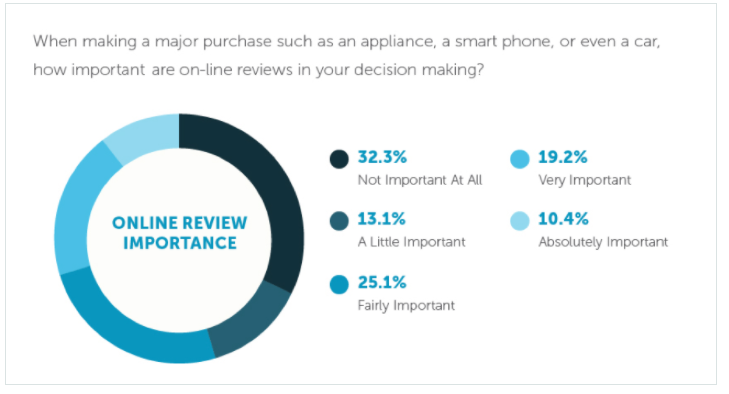
Studies show 81% of consumers research products online before making a purchase. But what are they looking for exactly?

More than 67% of consumers say they are influenced by online reviews.

image4 1

Furthermore, more than 50% of people conducting a search online won’t look past the first page of Google’s search engine result pages (SERPs).

People won’t automatically go straight to your website. They know you won’t display any negative reviews.

That’s why they conduct their own research. In addition to working with micro influencers on social media, you need to populate the SERPs with reviews and positive comments about your product.

Ask micro influencers to rate and review your product online to add credibility to your products. You can even ask influencers with an active blog to give a shout out to your product in a post.

The more positive reviews, ratings, and comments about your brand there are on the first page of a search query, the more credibility your products will have.

Have your influencers share a story

Having micro influencers post about your brand is an effective marketing strategy. But you need to come up with ways to maximize engagement.

Telling people a product is great isn’t as effective as showing them it’s great. Nothing adds credibility to a product more than results.

One of the best ways to accomplish this is by mastering the art of storytelling.

Have your micro influencers explain how your product improved their lives. They can do this by posting on social media or sharing these stories in their online reviews, which I just discussed.

But it doesn’t have to stop there. You can also set up a page on your website where micro influencers can share stories with your brand’s community.

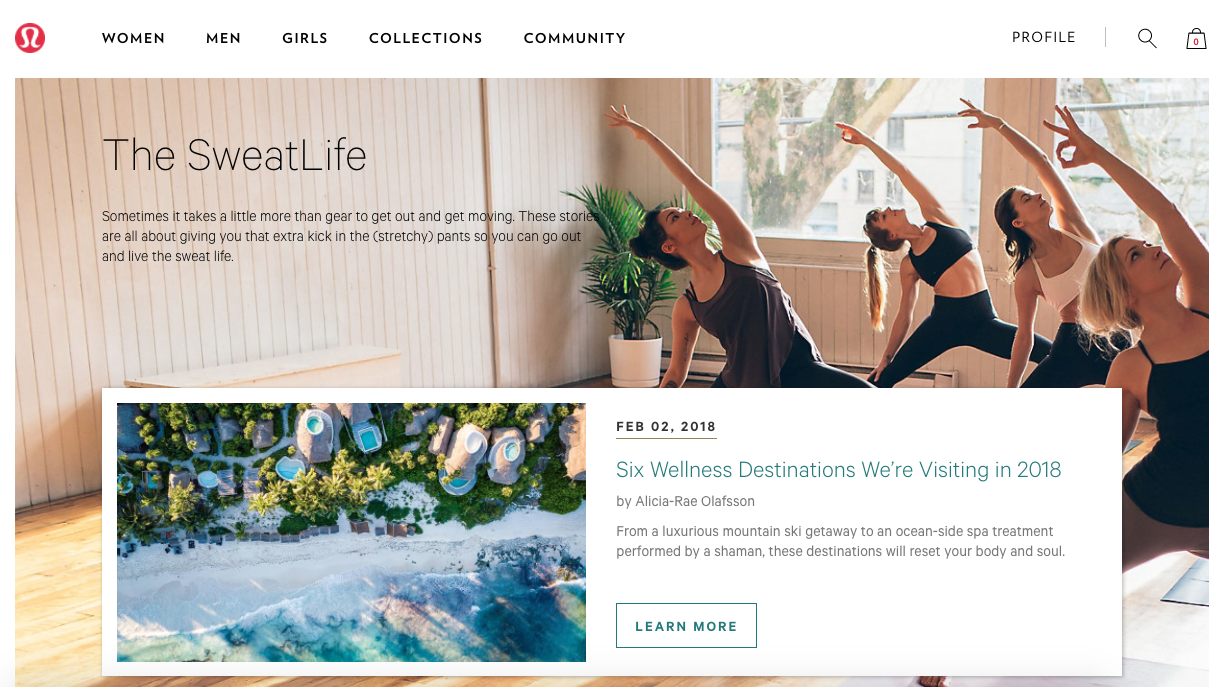
Lululemon uses this strategy on their website with a campaign called “The Sweat Life.”

image6 1

This page is dedicated to micro influencers sharing stories about their yoga and fitness journeys.

It serves as proof that these products work. Ultimately, this adds credibility to their brand and products.

Incorporate the same strategy on your website when you’re working with micro influencers.

Build long-term relationships with micro influencers

When you’re searching for a micro influencer to represent your brand and add credibility to your products, consider looking for someone with whom you can build a long working relationship.

It’s easier to keep working with the same influencers over and over again as opposed to finding a new one every time you want to run a campaign.

Don’t get me wrong. Just because you used someone once or twice doesn’t mean you should automatically keep using them. Refer back to what I discussed earlier regarding tools and analytics.

If their engagement is low and their followers aren’t responding, it’s OK for you to cut ties.

But if things go well the first couple of campaigns, see what else you can accomplish with this influencer.

Let’s say you start by having them post on Instagram. Next, you may decide to have them post on Twitter or share their success story on your website.

After that, have them write reviews about your products on various third-party websites.

Repetition is key. The more you get your micro influencers to post and talk about your brand consistently, the more effective your marketing strategy will be.

Conclusion

Micro influencers are a great way to gain exposure for your brand and increase the credibility of your products.

Working with influencers is great because they have such high engagement rates with their social media followers. Plus, the rates to hire an influencer are very reasonable.

Do your research to make sure people you choose to work with match your brand’s image.

You also want to be certain that their audience is the same as your target market. Use various analytics tools to help you determine this and measure the success of your campaigns.

Try to find micro influencers you can build long-term relationships with.

In addition to using social media to promote your products with micro influencers, have them populate the Google search results pages by rating and reviewing your products online.

Allow micro influencers to share their success stories on your website to add credibility to your products.

How is your brand using micro influencers to add credibility to your products?


from Quick Sprout http://ift.tt/2DjnwQh

Friday, March 9, 2018

The Top 10 Tactics for Marketing Your Company on a Budget

Not everyone has unlimited funds for a marketing budget.

Even those of you with a high bank balance shouldn’t dump every dollar into marketing without a plan. I understand how much you want to promote your business, but you need to come up with ways that efficiently accomplish this.

You don’t need to spend tons of money on marketing. Trust me, I know from experience.

I’ve gone through both paths with my business ventures. There were times when I spent tons of money on marketing and other times when I paid as little as possible.

Don’t get me wrong, I’m not saying spending doesn’t always pay off. But there are still plenty of marketing tactics you can use that won’t break the bank.

I’ve outlined the top low-budget strategies to promote your brand. I’ve seen results with these methods in my own businesses and those I helped in my consulting work.

These are the top 10 ways to market your business on a budget.

1. Create and distribute videos

Despite popular belief, you don’t need to spend a ton of money to create video content.

You can easily do this yourself without hiring a professional. Don’t waste money on fancy equipment. You can probably get away with using your smartphone to record videos.

Otherwise, invest in a decent camera and microphone. Those will be your only expenses.

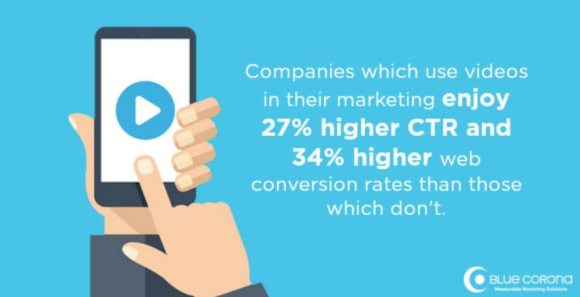
Videos help businesses benefit from higher conversion rates and click-through rates.

image3

Look at those numbers. If you’re not currently using video content as a marketing tactic, you need to start right away.

Now is the time to get on board with this trend: 80% of global Internet traffic will be video by 2019.

Nearly half of consumers browse the Internet for videos related to products and services before buying something. Don’t just create one or two videos—make as many as possible.

The reason why I love using videos as a marketing tactic is because they are versatile. It’s easy to distribute the same videos across all your marketing channels.

I recommend uploading all your videos to YouTube first. Then, you can embed the videos onto your website or share clips on social media. You can even send videos to people on your email subscription list.

What kind of videos should you make?

Upload anything that shows your brand in a positive light.

Think about the data I just shared with you about consumers using videos to shop. Creating instructional content or how-to videos can be a great way to market your company.

2. Make lots of infographics

Building an infographic is easy and free. You just need to make sure you design them well.

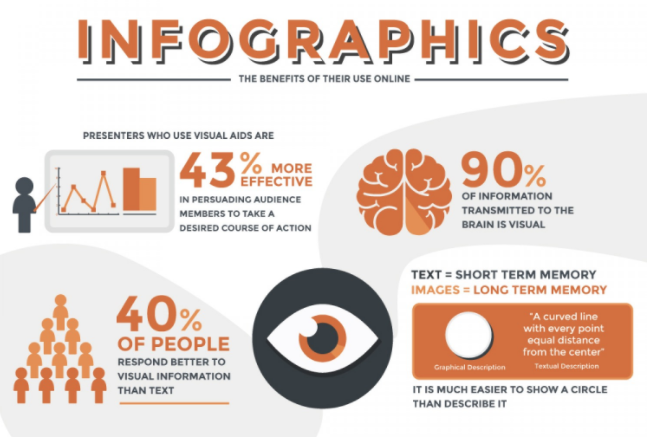
In order to illustrate the value of this marketing tool, I’ll show you an infographic as an example:

image7

Look how easy it is to read this information. Sure, I could have written it out, but that gets boring. Only 16% of people read content word for word. But 79% of people scan pages.

Since visuals are much more appealing and easier to comprehend, they jump off the page at people who are scanning.

I know what you’re thinking. This is all great information, but how can infographics be used as a marketing tactic?

If your website has infographics, other sites will use them to improve their own content.

I didn’t create the infographic I used above. But I added a link to give credit to the source. People who use your infographics will do the same.

These links will help drive more traffic to your website. Plus, they will also improve your search engine optimization.

Just make sure all of the data from your infographics is accurate and up to date. Nobody wants to use research from 1999 on their website.

3. Publish high quality content

For the most part, this tactic should be very obvious. However, I see so many businesses producing sub-par content that I thought it needed to be said.

Publishing great content is free, and you can do it yourself. Even if you’re not a great writer, you can still come up with easy blog topics to write about.

Don’t try to tackle a writing assignment that’s over your head. Stick to ones that you can manage, like lists or best practices for your industry.

Introduce yourself, and master the art of storytelling.

The average time it takes to write a blog post has been steadily increasing over the past few years.

image4

I know you’re busy, but I’m sure you can find the time to write high quality content, especially if you’re posting only a couple of times per week.

For those of you who are already at capacity with your time and who are not great writers, there are cost-effective alternatives.

You can hire a writer or pay a freelancer, or you can produce content in-house. Someone on your team must be a decent writer. Assign these tasks to that employee.

You’re already paying them a salary or hourly wage, so it’s not like this will drastically increase your costs.

4. Stay active on Instagram

Instagram is one of the best social media channels for marketing your business. This platform has more than 500 million daily active users.

Plus, it’s easy to post content on Instagram. Unlike a blog post which can take hours to write and edit, Instagram is just pictures.

Sure, you still need to write Instagram captions that drive engagement, but that’s easy.

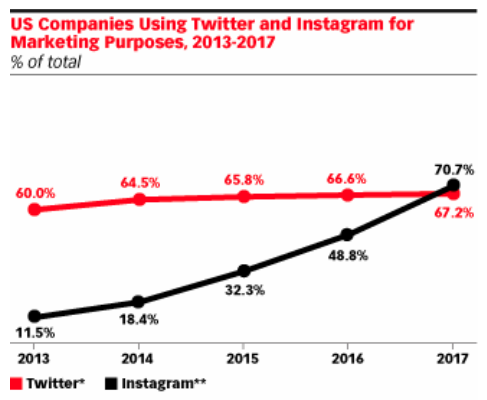
In 2017, the percentage of businesses in the United States using Instagram as a marketing channel surpassed the percentage of companies using Twitter.

image1

Other companies are recognizing how important and valuable this social media platform is. If you’re not actively pursuing customers on Instagram, you can bet your competition is.

In addition to being free, Instagram is great because you’ve got many different options. It’s easy to post pictures and videos to your profile, but your reach doesn’t stop there.

You can also add content to your Instagram story and even take advantage of Instagram Live.

Add links to your bio to drive traffic to your website. Respond directly to your followers through comments and direct messages.

Those of you who have some extra funds in your marketing budget can pay for targeted Instagram ads as well.

5. Don’t neglect your email subscriber list

If you’re collecting email addresses and have an active subscriber list, make sure you’re taking advantage of it. This is a service you’re already paying for.

Depending on what platform you’re using, you’re probably being charged per subscriber. Once you hit a certain threshold, your monthly or annual cost may increase. That’s OK.

A growing subscriber list is great news. These are people who want to hear from you. The majority of people on this list are probably your current customers.

All too often I see businesses focus on acquiring new customers as opposed to focusing on their existing ones. This is a big mistake.

Not only is it much harder to sell to new customers, but it’s also more expensive.

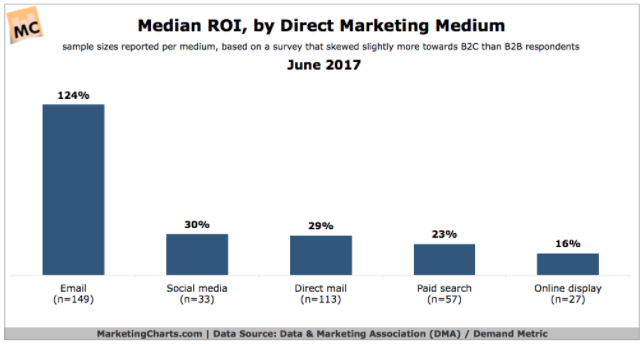
One of the top benefits of email marketing is that it has a huge return on investment compared to other methods.

image2

Focus on your weekly or monthly newsletter. Make sure you’re creating valuable content that drives sales.

Send discounts and other promotional emails to your subscribers—don’t underestimate the value of a coupon.

Fifty-eight percent of people say they prefer to receive coupons, discounts, and promotions via email.

Combine your other marketing tactics with your email campaigns. Earlier I talked about creating video content. You can add those videos to your marketing emails.

6. Recycle old content

If you’re really tapped out and low on funds and time, it can be tough to figure out ways to market your company. It’s time to get creative.

You can reuse your old content to stay fresh. For example, take your old blog posts and turn them into an ebook. Create content upgrades for old articles.

Those of you who have conducted research and have lots of raw data can turn that data into graphs, charts, and infographics.

Dig deep through your old marketing materials. Do you have coupons, flyers, or other promotional items that were never used? As long as they don’t have an expiration date, you can distribute them.

7. Run a contest that encourages user-generated content (UGC)

Encouraging user-generated content is one of my favorite marketing strategies. The reason why I love it so much is because it’s free.

Sure, if you’re running a contest, you’ll have to give away a product or gift card, but that’s a marginal cost compared to the brand exposure you’ll get from these campaigns.

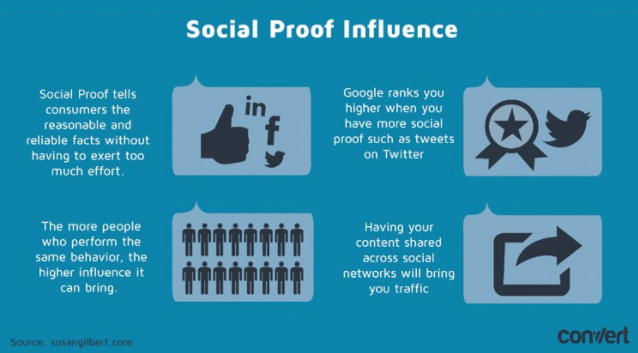
UGC creates social proof of influence.

image6

It’s super easy to run a contest that will have this type of effect on your target audience.

You can use Instagram or other social media platforms to run your contest. Keep it simple. Ask your followers to post a picture using one of your products and a customized hashtag to enter.

Then, at a predetermined date, award the prize to the post with the most likes. As a result, you’ll have hundreds or potentially thousands of people posting about your company on social media.

This exposes your brand to a wider audience. That’s because anyone who follows the people who participated in the contest will see those posts.

According to research, 92% of consumers trust online posts from their family and friends—compared to other forms of brand messaging. Plus, half of consumers say UGC is more memorable than content produced by brands.

More than half of Millennials say user-generated content influences their purchasing decisions.

8. Launch a customer referral program

Customer referral programs are beneficial for the same reasons as user-generated content. If someone gets referred to a business by a friend or family member, they’re more likely to trust that brand.

Rather than spending extra money on trying to acquire new customers, let your current customers do it for you. But give them an incentive to do so.

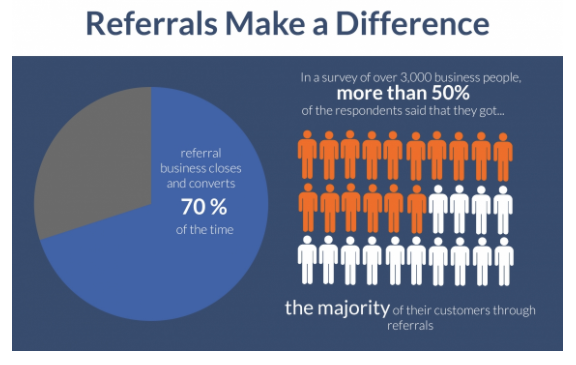
While it would be great if your customers did this for free, it just doesn’t happen that way. More than half of businesses rely on referrals to get new customers.

image9

The best way to encourage referrals from your current as well as prospective customers is to make it worth their while.

For example, if your business generates an average purchase order of $250, offering your customers a $5 discount for a referral isn’t going to get them motivated.

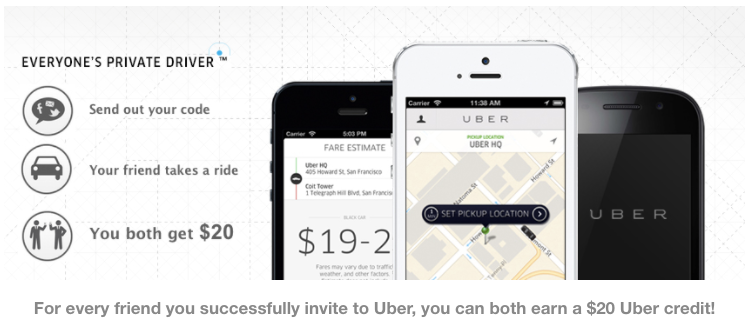
I understand that $5 per referral can add up, but customers don’t see it that way. Instead, consider something like Uber’s old customer referral program.

image8

They offered a $20 credit to new as well as existing riders who referred a friend. That $20 could be enough to cover an entire ride.

Come up with a referral system that will motivate your customers to recommend your brand to their friends and family.

9. Take advantage of any guest-posting opportunities

Instead of just writing blog posts for your own website, you should contribute to other blogs as well. In my consulting work, I see many companies that are hesitant to do this because they don’t see the value.

Why should they spend time creating content for someone else’s website? I’ll tell you why.

Guest posts generate free exposure for your brand. You can get your name out there to a new audience that may not even know your company exists.

In addition to the exposure, you’ll be able to drive traffic to your website through referral links within your guest posts.

Links to your site from other websites help boost your search ranking, based on Google’s algorithm.

10. Broadcast live

I know I’ve already talked about the benefits of creating video content and using social media. But live videos combine both of these strategies into one free marketing method.

Go live on Facebook, YouTube, and Instagram.

Live videos help create a more authentic interaction with your audience. The opportunities are endless.

Use your live video stream to host a question and answer segment with your social media followers. Respond to their comments in real time.

Ask your customers to give you feedback about your products and services. You can even run a contest through your live video broadcast.

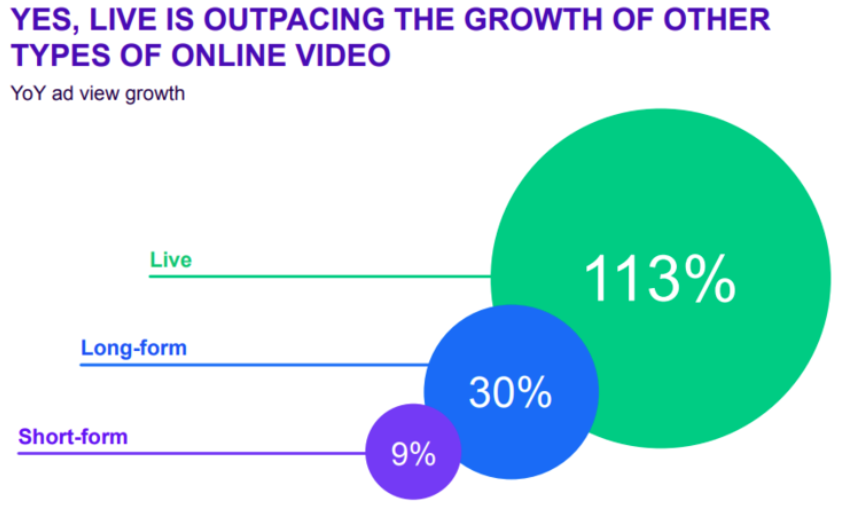
Live video content is growing at a faster rate than other forms of online videos.

image5

Research shows 80% of consumers prefer watching a live video from a business as opposed to reading a blog post. Plus, 82% of consumers say they would rather watch a live video than read a post from a brand on social media.

You can give your customers exactly what they want without having to spend much money doing it.

Conclusion

Marketing doesn’t have to be expensive. There are plenty of ways for you to promote your brand without emptying your bank account.

Start uploading videos to YouTube, and distribute them to all your marketing channels.

Create infographics, and make sure you’re always producing high quality content. Write guest posts as well.

Stay active on social media platforms, especially Instagram. Use these channels to run contests that encourage user-generated content. You can also create a customer referral program.

If you’re pressed for time, recycle and update some of your old content.

Send emails to your active subscribers. Broadcast live videos.

If you follow these tips, you’ll be able to successfully market your brand without having to spend too much money.

What cost-effective marketing tactics do you use to stay within your budget?


from Quick Sprout http://ift.tt/2HjS1Yz